


What Is Reverse Crochet and Why It Matters
Most American yarn crafters are surprised to learn that the reverse crochet technique, or crab stitch, can completely change how their projects look and feel. Adding this stitch creates a bold, twisted border that stops edges from curling and gives a polished, professional appearance. For anyone looking to push their crochet skills further, mastering reverse crochet opens up new design options and helps transform basic creations into eye catching, durable pieces.
Table of Contents
- Reverse Crochet Defined For Yarn Crafters
- Key Techniques In Reverse Crochet Stitches
- How Reverse Crochet Differs From Standard Crochet
- Popular Projects Using Reverse Crochet
- Common Mistakes And How To Avoid Them
Key Takeaways
| Point | Details |
|---|---|
| Reverse Crochet Technique | Reverse crochet, or crab stitch, creates a distinctive twisted edge that enhances the structural integrity and appearance of yarn projects. |
| Precision Required | Mastering reverse crochet demands careful technique and consistent tension to avoid uneven edges and maintain visual appeal. |
| Versatile Applications | This technique is effective for adding decorative borders and reinforcing edges on various projects like blankets, hats, and garments. |
| Common Mistakes | Crafters should practice on swatches to avoid errors related to hook placement, tension, and stitch spacing, ensuring a polished finish. |
Reverse Crochet Defined for Yarn Crafters
Reverse crochet, also known as the crab stitch, represents a unique and fascinating technique that adds intricate texture and professional finishing to yarn projects. Crochet terminology guides often highlight this specialized stitch as a game changing method for creating decorative edges.
At its core, reverse crochet involves working single crochet stitches in the opposite direction of standard crocheting - specifically from left to right instead of right to left. This counterintuitive technique creates a distinctive twisted, cord-like border that provides remarkable structural integrity. Yarn crafters appreciate how this method produces a firm, raised edge that prevents fabric from curling and adds a polished appearance to garments, blankets, and accessories.
The technical execution of reverse crochet requires some practice and concentration. Crafters must work their stitches backward, which initially feels awkward but ultimately produces stunning results. Key characteristics include:
- A tight, twisted cord-like appearance
- Enhanced edge stability
- Decorative finishing for multiple project types
- Prevention of fabric edge rolling
Mastering this technique transforms ordinary crochet projects into professional level creations. While it might seem challenging at first, consistent practice helps yarn enthusiasts integrate this sophisticated stitch into their repertoire. History of crochet guides reveal that such innovative techniques have always been part of the craft’s evolving landscape, showcasing how creativity continues to reshape traditional methods.
Recommended supplies for your project


Key Techniques in Reverse Crochet Stitches
Reverse crochet stitches demand precision and careful technique, transforming traditional crocheting approaches into something truly unique. Beginner crochet stitches tutorials often overlook this sophisticated technique, making it a hidden gem for advanced yarn crafters seeking to elevate their projects.
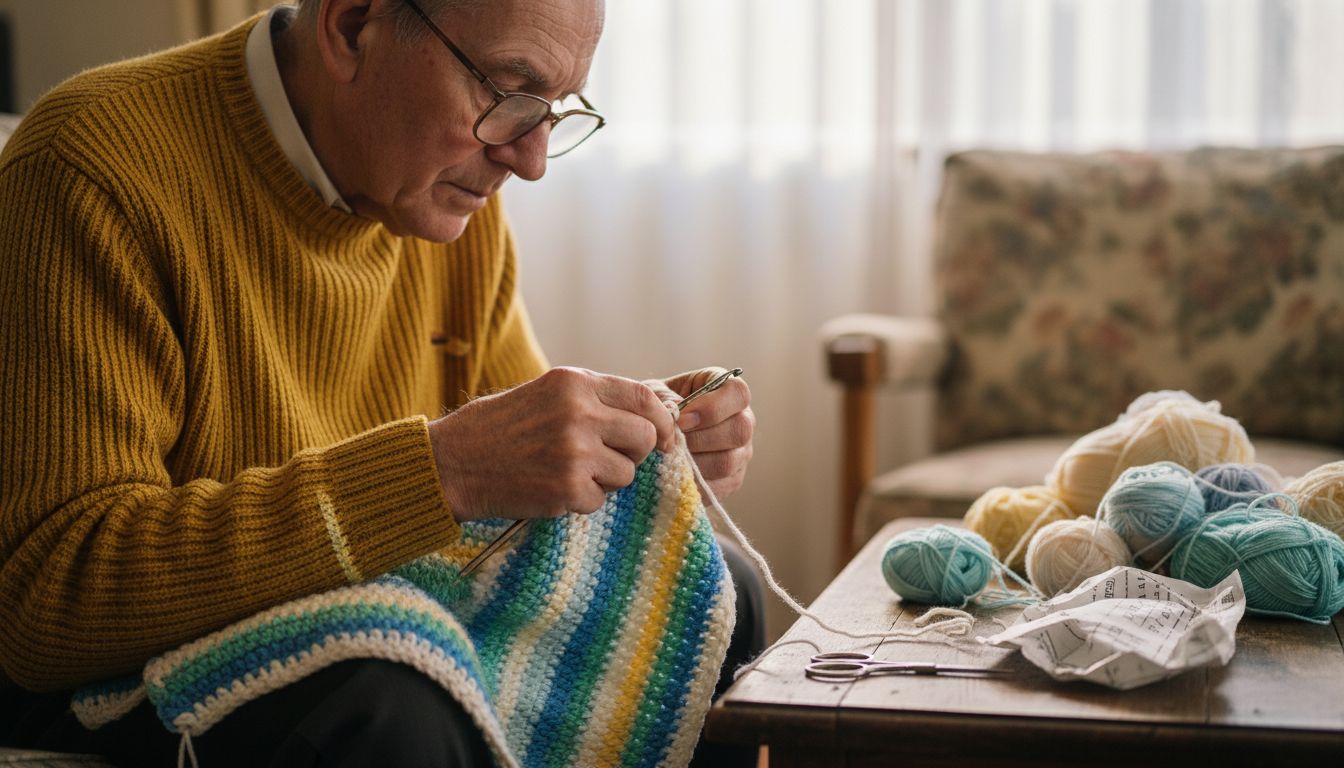
The fundamental approach to reverse crochet involves working stitches from left to right, which requires specific hand positioning and hook manipulation. When executing a reverse single crochet, crafters must insert the hook into the previous stitch from front to back, yarn over, pull through, and then complete the stitch by pulling through both loops. Maintaining consistent tension becomes critical during this process, as uneven stitches can disrupt the overall aesthetic and structural integrity of the project.
Mastering the technique involves understanding several key components:
- Precise hook placement
- Consistent yarn tension
- Controlled directional movement
- Careful stitch spacing
Practitioners should focus on developing muscle memory and visual precision. Crochet edge techniques reveal that reverse crochet works exceptionally well for creating decorative borders, reinforcing fabric edges, and adding structural definition to various yarn projects. By practicing methodically and paying close attention to hand positioning, yarn crafters can transform this challenging technique into a powerful skill in their creative repertoire.
How Reverse Crochet Differs from Standard Crochet
The world of crochet is rich with nuanced techniques, and reverse crochet stands out as a remarkable departure from traditional methods. Crochet pattern types guides often highlight the subtle yet significant distinctions that make this technique both challenging and intriguing for yarn enthusiasts.
At the core of its uniqueness, reverse crochet fundamentally transforms directional movement. While standard crochet progresses smoothly from right to left, reverse crochet inverts this conventional approach, working stitches from left to right. This seemingly simple directional shift creates dramatically different textural and structural outcomes. The resulting fabric develops a distinctive twisted, corded appearance that cannot be achieved through traditional crocheting techniques.
Key differences between reverse and standard crochet include:
- Directional stitching (left to right vs. right to left)
- Unique textural characteristics
- Enhanced edge definition
- More complex stitch manipulation
Practitioners exploring this technique quickly discover that reverse crochet requires heightened spatial awareness and muscle memory. Crochet finishing techniques guides emphasize that mastering this method provides crafters with an additional tool for creating sophisticated, professional looking edges and decorative elements. The technique transforms what might initially seem like a technical constraint into an opportunity for creative expression, challenging crafters to reimagine traditional crochet approaches.
Popular Projects Using Reverse Crochet
Reverse crochet offers yarn crafters an innovative technique for elevating projects with professional finishing touches. Crochet pattern ideas demonstrate the versatility of this unique stitch across multiple project types, making it an essential skill for crafters seeking distinctive design elements.
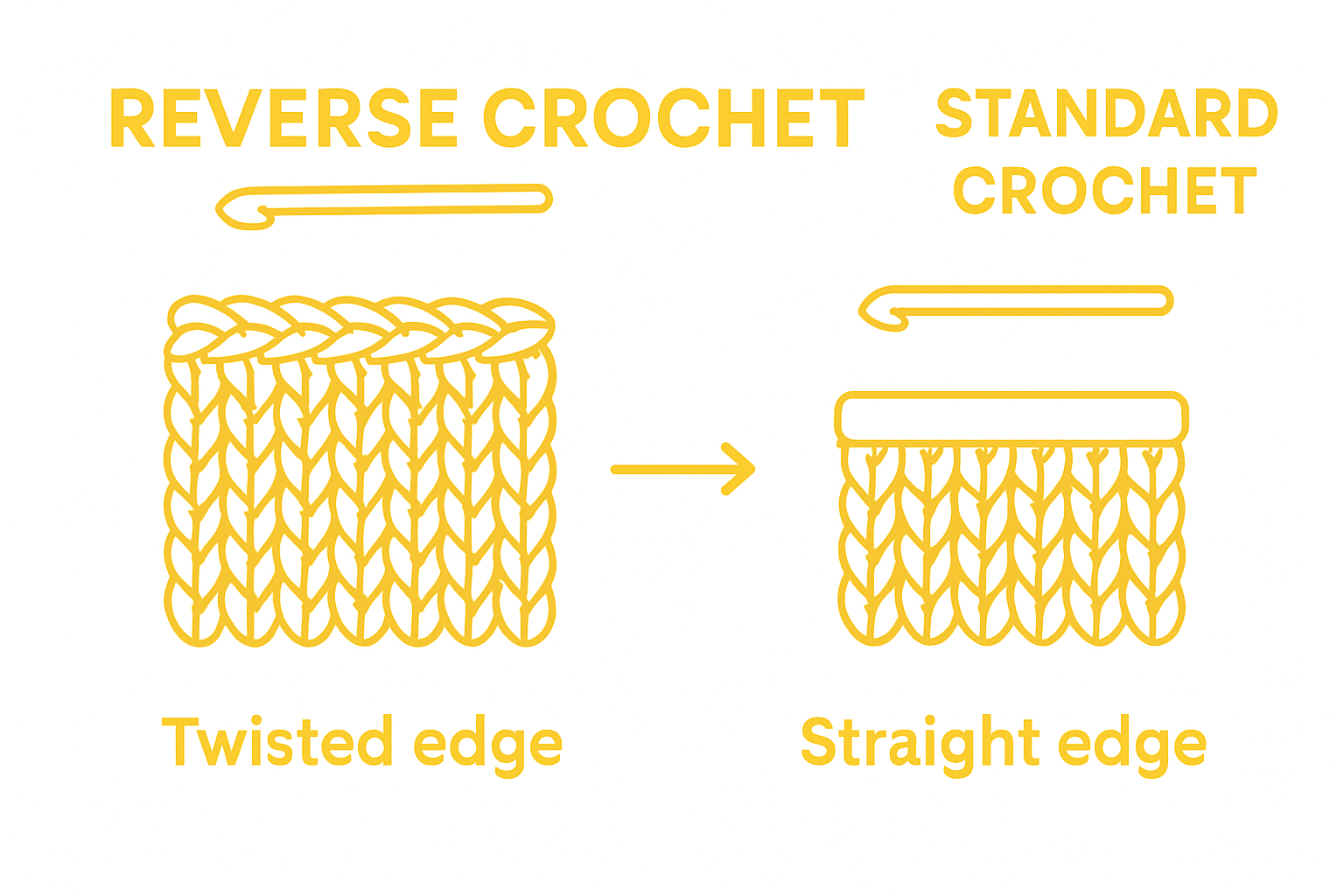
The reverse single crochet technique proves particularly effective for creating decorative borders and reinforcing edges on various textile projects. From afghans and blankets to hats, bags, and scarves, this technique provides both structural integrity and aesthetic appeal. Crafters can transform ordinary items into professional looking pieces by strategically implementing reverse crochet along edges and seams, adding a sophisticated twist to traditional designs.
Popular projects that benefit from reverse crochet include:
- Blanket and afghan borders
- Hat and beanie trims
- Bag and accessory edges
- Scarf and shawl finishing
- Sweater and garment detailing
- Decorative home textile accents
Crochet gift ideas showcase how this technique can transform handmade items from simple crafts to professional quality creations. By mastering reverse crochet, crafters unlock a powerful technique that adds visual complexity and structural reinforcement to their yarn projects, elevating their work with a sophisticated, intentional finish.
Common Mistakes and How to Avoid Them
Reverse crochet demands precision and careful technique, making it a challenging skill for even experienced yarn crafters. Crochet projects selection guides recognize that mastering this technique requires understanding and avoiding common pitfalls that can compromise the quality of your work.
The most critical errors in reverse crochet often stem from tension and hook placement inconsistencies. Crafters frequently struggle with maintaining uniform stitch tension, which can result in uneven, unprofessional looking edges. Practicing on sample swatches before implementing the technique in a final project allows crafters to develop muscle memory and understand the nuanced hand movements required for smooth, consistent stitches.
Common mistakes to watch for include:
- Inconsistent yarn tension
- Incorrect hook insertion angle
- Rushing through stitch formation
- Neglecting practice on sample materials
- Failing to maintain consistent directional movement
- Overlooking stitch spacing
To prevent these errors, experienced crafters recommend:
- Creating practice swatches before starting main projects
- Watching tutorial videos to understand proper technique
- Focusing on hand positioning and movement
- Using stitch markers to maintain consistent spacing
- Taking breaks to prevent hand fatigue
By approaching reverse crochet with patience and deliberate practice, yarn enthusiasts can transform potential mistakes into opportunities for skill development. Crochet gift ideas demonstrate that mastering challenging techniques ultimately leads to more sophisticated and professional crafting outcomes.
Elevate Your Crochet Projects with the Right Materials and Tools
Mastering reverse crochet requires precision and the right supplies to bring those tight, twisted edges to life. If you struggle with inconsistent tension or uneven stitches, the solution starts with choosing quality yarn and accessories designed to support advanced techniques like the crab stitch. At CRAFTISS, we understand the challenges of working reverse crochet and offer a curated selection of premium Yarn that delivers consistent thickness and smooth texture to help you maintain uniform stitch tension.
.png)
Take control of your craft today by exploring our specialized yarn options and handy Yarn Bags to keep your supplies organized while you practice and perfect this sophisticated stitch. Visit CRAFTISS now to discover how the right tools and materials can transform your crochet projects from good to professional quality with confidence.
Frequently Asked Questions
What is reverse crochet?
Reverse crochet, also known as crab stitch, is a technique where crochet stitches are worked in the opposite direction, specifically from left to right, creating a twisted, cord-like border that enhances the stability and appearance of crochet projects.
How does reverse crochet differ from standard crochet?
Reverse crochet differs from standard crochet mainly in the direction of stitching; while standard crochet is done from right to left, reverse crochet is worked from left to right, resulting in unique textural characteristics and a distinctive finished edge.
What are the benefits of using reverse crochet in projects?
Using reverse crochet adds structural integrity and prevents fabric edges from curling, offering a polished, professional finish to various projects like blankets, hats, scarves, and bags.
What common mistakes should I avoid when doing reverse crochet?
Common mistakes include inconsistent yarn tension, incorrect hook insertion angles, and rushing through stitches. Practicing on swatches and focusing on hand positioning can help mitigate these errors.
