

More than 23 million people worldwide now enjoy crochet as both a creative outlet and a practical skill. This textile art relies on a single hook and a few simple loops, yet the possibilities seem endless, from clothing to intricate sculptures. Crochet’s story reaches across continents and centuries, blending tradition with constant reinvention. Discover how this centuries-old craft grew from humble beginnings into a global movement that sparks creativity in every corner of the world.
Table of Contents
- What Is Crochet? Definition and Origins
- Early Techniques and Material Evolution
- Global Spread and Regional Traditions
- Cultural Impact and Modern Resurgence
- Debunking Myths and Common Misconceptions
Key Takeaways
| Point | Details |
|---|---|
| Definition and Craft | Crochet is a textile art that uses a single hooked needle to create intricate designs from yarn, originating from the French word for ‘hook’. |
| Evolution of Techniques | Various techniques, such as broomstick lace and amigurumi, demonstrate the craft’s adaptability and the cultural influences that shape crochet practices globally. |
| Cultural Impact and Resurgence | Crochet has gained prominence in modern fashion and online communities, creating a platform for diverse expressions and breaking traditional barriers in craft. |
| Myths and Misconceptions | Common myths about crochet’s novelty and limitations are debunked; it is a versatile craft with rich historical roots and contemporary relevance. |
What Is Crochet? Definition and Origins
Crochet is a captivating textile art form that transforms simple yarn or thread into intricate, beautiful creations using just a single hooked needle. According to Wikipedia, the term ‘crochet’ originates from the French word meaning ‘hook’, perfectly describing the essential tool crafters use to create stunning textiles.
At its core, crochet involves interlocking loops of yarn or thread through a systematic process of pulling loops through other loops, creating a fabric with incredible texture and complexity. Unlike knitting, which uses two needles, crochet requires only a single hook, making it a versatile and portable craft that can be practiced almost anywhere.
The historical origins of crochet are somewhat mysterious. While Wikipedia notes that the earliest substantive evidence of crocheted fabric dates back to 19th-century Europe, earlier examples were often misidentified. Interestingly, what some historians thought were early crochet works were actually created using nålebinding, a different looped yarn technique that predates modern crochet.
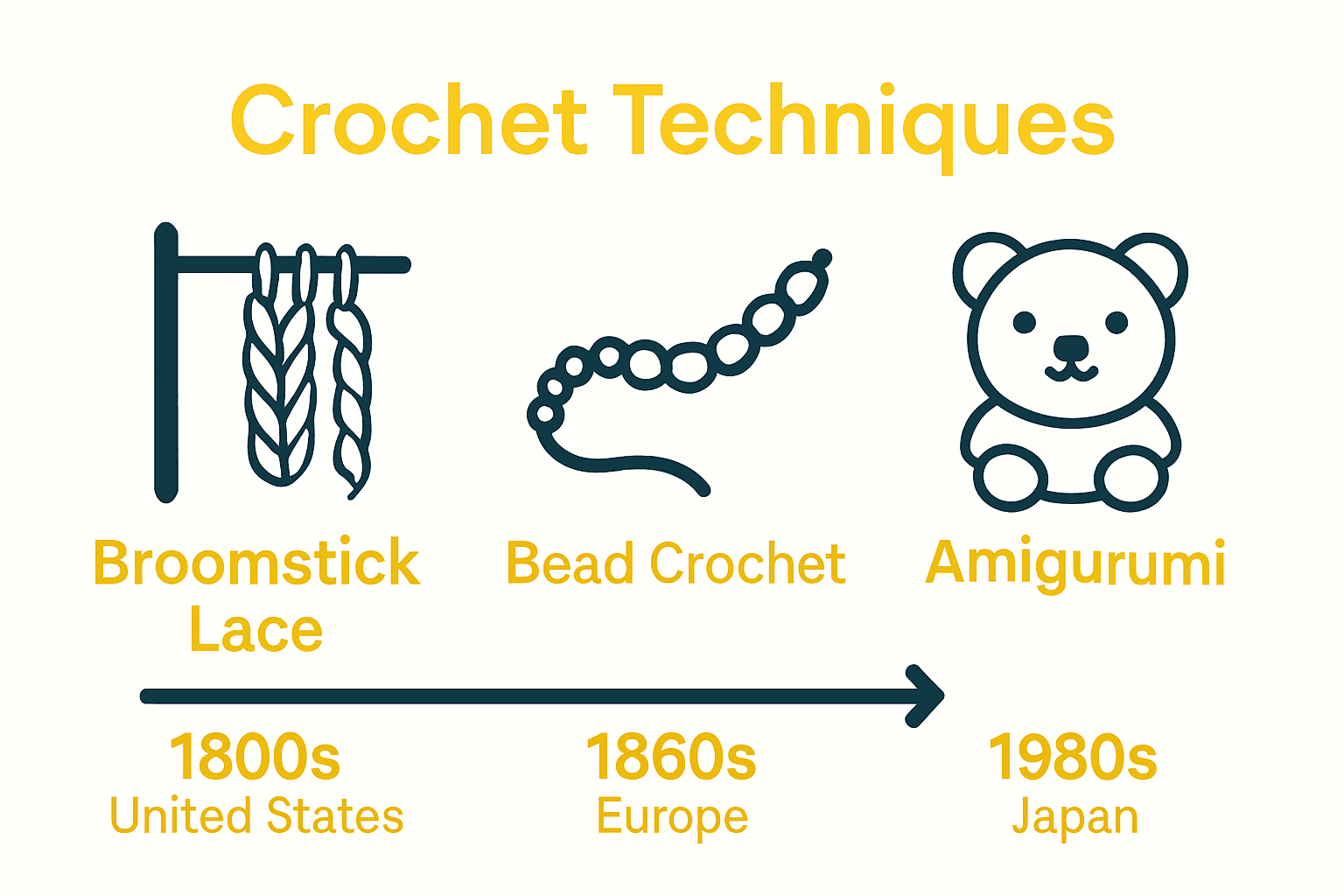
Crochet isn’t just limited to traditional yarn work. Wikipedia reveals fascinating variations like bead crochet, a technique that incorporates beads into fabric to produce decorative effects. Published descriptions of bead crochet date back to around 1824, showcasing the craft’s rich artistic heritage and continuous evolution.
Today, crochet remains a beloved craft that bridges traditional textile techniques with modern creative expression. Whether you’re interested in creating intricate doilies, cozy blankets, or contemporary fashion pieces, crochet offers an accessible and rewarding artistic journey. For more insights into why this craft has captured the hearts of so many, check out our guide on understanding why crochet is popular among crafters.
Recommended supplies for your project


Early Techniques and Material Evolution
The evolution of crochet techniques represents a fascinating journey of creativity and innovation, with crafters continually developing new methods to transform yarn into intricate designs. One remarkable example of this innovative spirit is broomstick lace, a historic technique that emerged in the 19th century. According to Wikipedia, this unique method uses a crochet hook alongside a long, slender tool—traditionally an actual broomstick—to create delicate, lacy patterns that challenged traditional crochet boundaries.
Crocheters began experimenting with diverse materials and techniques, expanding the craft beyond simple yarn work. Wikipedia highlights amigurumi as a prime example of this creative exploration, a Japanese art form that combines crocheting and knitting to create small, stuffed yarn creatures. The term itself is linguistically fascinating, blending ‘ami’ (crocheted or knitted) with ‘kurumi’ (wrapping), demonstrating how cultural innovation shapes textile arts.
Early crochet techniques were heavily influenced by available materials and regional crafting traditions. Crafters would use whatever tools and threads were accessible, leading to remarkable regional variations. Wool, cotton, and later synthetic fibers became popular, each offering unique textures and possibilities. Some techniques, like broomstick lace, emerged from practical improvisation—using everyday objects like broomsticks as crafting tools.
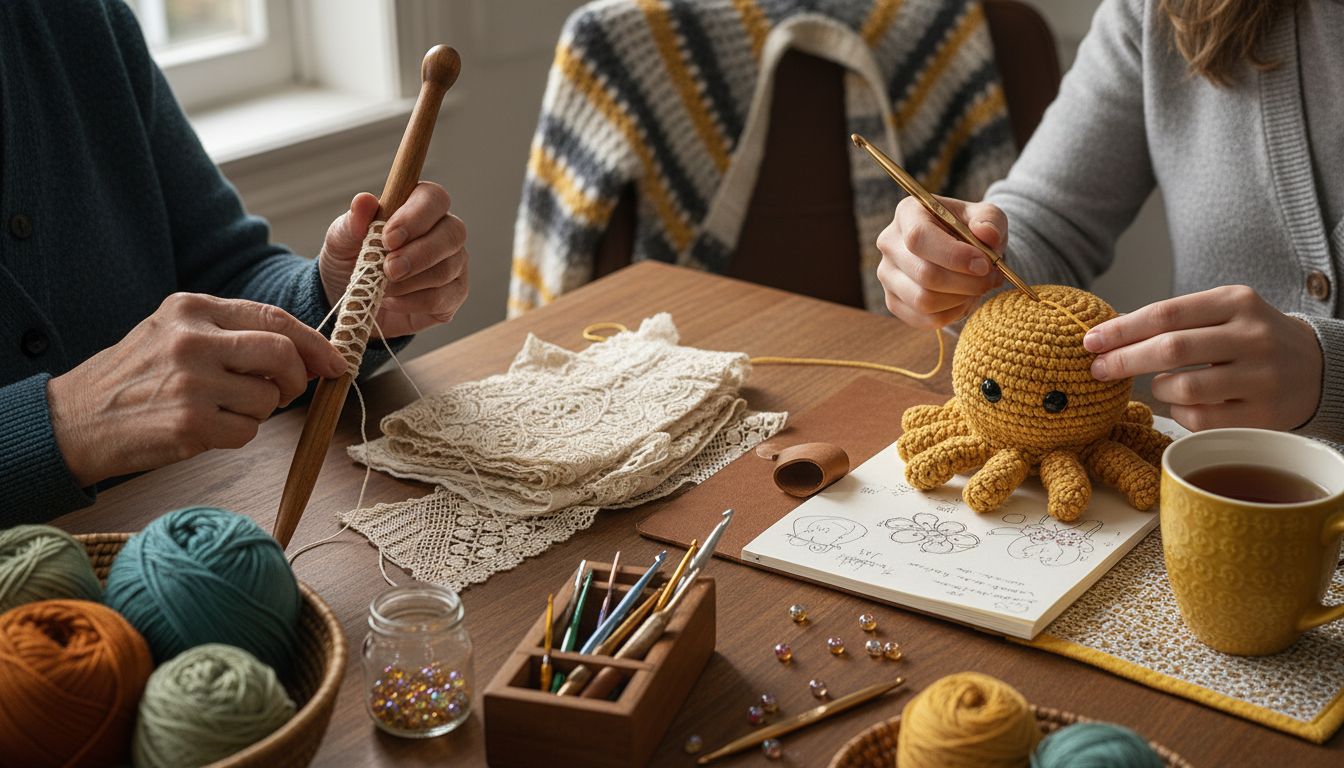
As the craft evolved, techniques became more sophisticated. Artisans began developing specialized hooks, experimenting with different yarn weights, and creating increasingly complex patterns. The transition from purely functional textiles to decorative and artistic expressions marked a significant milestone in crochet’s development. For those interested in diving deeper into the nuanced world of crochet techniques, our guide on crochet terminology offers comprehensive insights into the language and methods of this rich textile tradition.
Global Spread and Regional Traditions
The global journey of crochet reveals a rich tapestry of cultural exchange and economic resilience. According to Wikipedia, the 19th century marked a pivotal moment for crochet as a critical home industry, particularly in Ireland and northern France. During periods of economic hardship, women and children produced clothing and blankets that were primarily purchased by the emerging middle class, transforming crochet from a simple craft into an essential economic lifeline.
Different regions developed unique crochet traditions that reflected their local cultures and available resources. In Japan, for instance, Wikipedia highlights the emergence of amigurumi, a distinctive craft of creating small, stuffed yarn creatures. This art form gained significant popularity within Japan and began capturing Western audiences around 2003, with amigurumi items becoming some of the most sought-after handmade crafts on online marketplaces by 2006.
Crochet techniques spread across continents, with each region adding its distinctive flair. European traditions often emphasized intricate lace work, while South American crafters developed vibrant color techniques and geometric patterns. African communities integrated crochet into traditional textile practices, creating stunning pieces that blended contemporary techniques with ancient design principles. These regional variations demonstrate how crochet transcended mere craft, becoming a form of cultural expression and communication.
Today, the global crochet community continues to evolve, connected through online platforms and international craft exchanges. From traditional techniques passed down through generations to modern, innovative approaches, crochet remains a powerful medium of artistic and cultural connection. For those eager to explore the nuanced world of crochet styles, our guide on understanding crochet motifs offers an in-depth look at the diverse techniques from around the world.
Cultural Impact and Modern Resurgence
Crochet has experienced a remarkable renaissance, transforming from a traditional craft to a dynamic form of artistic and cultural expression. According to Wikipedia, the craft has made significant inroads into high fashion, with prominent designers like Christopher Kane featuring crochet pieces in their collections. This elevation of crochet from a domestic craft to a runway staple demonstrates its evolving cultural significance.
Digital platforms have played a crucial role in crochet’s modern resurgence. Wikipedia notes that online marketplaces such as Etsy and Ravelry have revolutionized how crochet patterns and projects are shared and sold. These platforms have created global communities where crafters can connect, exchange ideas, and showcase their creations, breaking down geographical barriers and democratizing craft knowledge.
The versatility of crochet continues to captivate crafters worldwide. Wikipedia highlights amigurumi as a prime example of the craft’s adaptability, with enthusiasts creating an incredible range of characters and creatures. This approach to crochet goes beyond traditional techniques, offering crafters a medium for personal expression, storytelling, and creative exploration. From intricate fashion pieces to playful stuffed characters, crochet has become a powerful tool for artistic innovation.
Today’s crochet community is more diverse and inclusive than ever before. Social media, online tutorials, and global craft exchanges have transformed crochet from a solitary activity to a vibrant, interconnected art form. Young crafters are reimagining traditional techniques, incorporating sustainable practices, and using crochet as a form of personal and political expression. For those interested in diving deeper into the contemporary crochet landscape, our guide on understanding why crochet is popular offers fascinating insights into this dynamic craft’s enduring appeal.
Debunking Myths and Common Misconceptions
One of the most persistent myths about crochet is that it’s a relatively new craft. According to Wikipedia, this couldn’t be further from the truth. While many believe crochet emerged recently, substantive evidence of crocheted fabric actually dates back to 19th-century Europe. Interestingly, what historians previously thought were early crochet works were often misidentified, actually being created using nålebinding, a different looped yarn technique.
Another common misconception surrounds the complexity and exclusivity of certain crochet techniques. Wikipedia reveals that bead crochet, a technique incorporating beads into fabric, was once considered a luxury craft appropriate only for the wealthy. Historically dating back to around 1824, this technique has since democratized, becoming accessible to crafters of all skill levels and economic backgrounds.
Many people mistakenly believe that crochet is a limited or outdated craft, suitable only for making doilies or simple blankets. In reality, crochet is an incredibly versatile art form that spans fashion, art, functional design, and even technological innovation. From intricate haute couture pieces to complex three-dimensional sculptures, contemporary crochet challenges every preconceived notion about its potential and complexity.
The craft continues to evolve, breaking down stereotypes about who can be a crocheter and what can be created. Modern crocheters range from teenagers to retirees, spanning diverse backgrounds and skill levels. For those interested in understanding the nuanced world of contemporary crochet, our guide on understanding crochet motifs offers comprehensive insights that challenge traditional perceptions of this dynamic craft.
Discover the Legacy of Crochet with the Perfect Tools at Craftiss
The rich history of crochet reveals a world of creativity shaped by evolving techniques such as broomstick lace and cultural variations like amigurumi. If you want to honor this craft’s heritage while bringing your own unique projects to life, having the right materials and accessories makes all the difference. Whether you are exploring intricate patterns or experimenting with new styles, managing your yarn and tools is key to an enjoyable experience.
.png)
Explore our premium selection of Yarn to find fibers that enhance every stitch you make. Keep your supplies organized and ready by browsing our Yarn Bags designed specifically for crocheters passionate about their craft. Start your creative journey today and connect with a community that values the history and future of crochet by visiting Craftiss now. Your next masterpiece begins with the right foundation—shop with us and experience the joy of crochet at its finest.
Frequently Asked Questions
What is the origin of the word ‘crochet’?
The word ‘crochet’ originates from the French term meaning ‘hook’, which describes the essential tool used in this textile art form.
How is crochet different from knitting?
Crochet uses a single hooked needle to interlock loops of yarn or thread, while knitting requires two needles. This makes crochet versatile and portable.
What are some variations of crochet techniques?
Some fascinating variations of crochet include bead crochet, which incorporates beads into fabric, and amigurumi, a Japanese art form that creates small, stuffed yarn creatures.
How has crochet evolved over time?
Crochet has evolved from a simple craft into a diverse form of artistic expression, influenced by available materials and regional traditions, and is now a prominent part of fashion and modern art.