


Anti Pilling Yarn: Smoother Crochet Projects That Last
Watching your favorite crochet project develop those dreaded fuzzy pills after just a few washes can be discouraging, especially when you put so much time and care into each stitch. For American crafters, understanding how to choose yarn that resists surface fuzz and tangled fibers means your hard work stays beautiful longer. With advances in anti pilling technology, you have smarter options than ever to keep your crochet pieces looking smooth and lasting for years.
Table of Contents
- Defining Anti Pilling Yarn And Common Myths
- Types Of Anti Pilling Yarn And Key Differences
- How Anti Pilling Yarn Technology Works
- Benefits And Drawbacks For Crochet Projects
- Choosing Anti Pilling Yarn: US Recommendations
Key Takeaways
| Point | Details |
|---|---|
| Understanding Anti Pilling Yarn | Anti pilling yarn is developed to resist fabric degradation, improving the longevity and appearance of crochet projects. |
| Fiber Composition Matters | The tendency of yarn to pill varies based on fiber composition; synthetic fibers often pill more than natural ones. |
| Treatment Types Influence Effectiveness | Different anti pilling treatments, such as chemical, mechanical, or enzymatic approaches, impact yarn performance and durability. |
| Considerations for Selection | When choosing anti pilling yarn, evaluate fiber quality, treatment methods, and project-specific requirements to ensure optimal performance. |
Defining Anti Pilling Yarn and Common Myths
Anti pilling yarn represents an innovative textile solution designed to combat the frustrating fabric degradation that occurs during regular use. Textile technology has evolved to create yarns that resist the formation of those tiny, unsightly balls of tangled fibers that can make your handmade crochet projects look worn and aged prematurely.
At its core, anti-pilling treatments involve specialized processes that strengthen fiber connections and reduce surface friction. These treatments can be chemical, mechanical, or enzymatic, targeting the root causes of pilling before they can develop.
Key characteristics of anti pilling yarn include:
- Stronger fiber bonding
- Reduced surface fuzziness
- Enhanced durability
- Improved aesthetic maintenance
- Resistance to abrasion during use
Common myths about pilling often mislead crafters about yarn quality and performance. Contrary to popular belief, pilling is not exclusively a sign of poor fabric quality but a natural result of fiber interactions. Some fibers are inherently more prone to pilling due to their structure, regardless of initial yarn quality.
Fiber composition plays a significant role in pilling tendency. Synthetic fibers like polyester and acrylic tend to pill more readily than natural fibers like wool or cotton. Understanding these characteristics helps crafters make more informed yarn selections for their projects.
To clarify anti pilling yarn options, here is a comparison of common fiber compositions and their pilling resistance:
| Fiber Type | Pilling Tendency | Typical Use Cases |
|---|---|---|
| Polyester Blend | High, but reduced with treatment | Everyday wear, blankets |
| Cotton Blend | Low, further improved with treatment | Apparel, soft accessories |
| Acrylic Blend | Moderate, benefits from anti pilling treatment | Home goods, sweaters |
| Wool Blend | Low, enhanced durability with treatment | Premium crafts, winter items |
This summary shows how anti pilling yarn treatments impact different fiber types in practical applications.
Pro tip: When selecting anti pilling yarn, always check the fiber content and look for yarns specifically marketed as having enhanced pill resistance.
Recommended supplies for your project


Types of Anti Pilling Yarn and Key Differences
Yarn technology has evolved to offer multiple types of anti pilling solutions, each designed to address specific fiber challenges and crafting needs. Synthetic blends and specialized treatments have become increasingly sophisticated in combating the common problem of fabric degradation during regular use.
Polyester-viscose blended fabrics represent a key advancement in anti pilling yarn technology. These innovative materials utilize advanced surface modification techniques to enhance durability and reduce fiber tangling. The primary types of anti pilling yarn can be categorized based on several critical factors:
-
Fiber Composition Types:
- Synthetic blends (polyester, acrylic)
- Natural fiber blends (cotton, wool)
- Hybrid blends combining synthetic and natural fibers
-
Treatment Approaches:
- Chemical surface modifications
- Mechanical fiber bonding
- Enzymatic processing
The effectiveness of anti pilling yarn varies significantly depending on the specific treatment method and fiber composition. Synthetic fibers typically demonstrate higher pilling tendencies, which is why advanced textile engineers have developed targeted modification techniques to mitigate this issue.
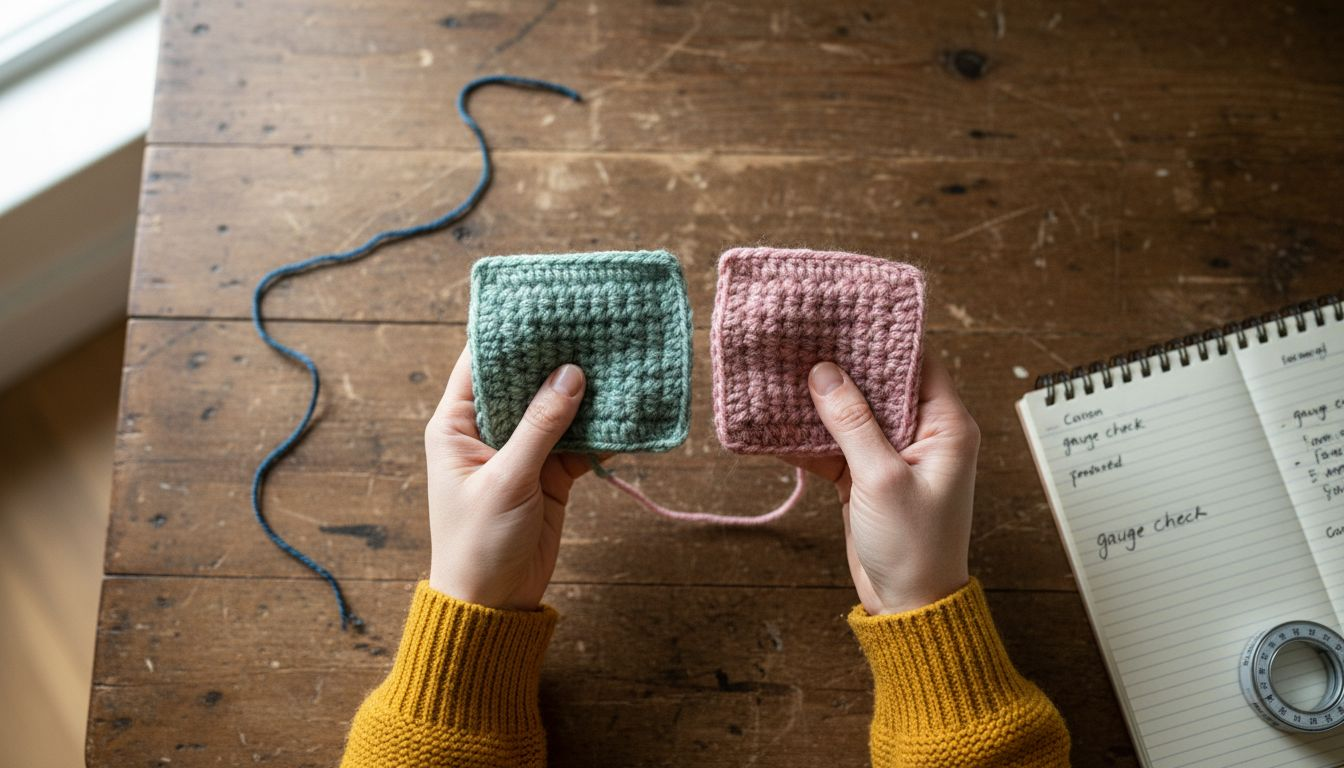
Key differences between anti pilling yarn types emerge from their unique manufacturing processes. Cellulose fiber blends undergo specialized treatments like trichloropyrimidine modification, which alters the fiber’s surface properties to reduce friction and minimize pill formation. These treatments can dramatically impact the yarn’s softness, durability, and overall performance.
Pro tip: Always examine the specific fiber blend and treatment method when selecting anti pilling yarn for your crochet projects to ensure optimal long-term performance and aesthetic quality.
How Anti Pilling Yarn Technology Works
Anti pilling yarn technology represents a sophisticated approach to preventing fabric degradation through multiple innovative strategies. Textile engineering has developed complex methods to address the fundamental challenges of fiber friction and surface disruption that lead to unsightly yarn pilling.
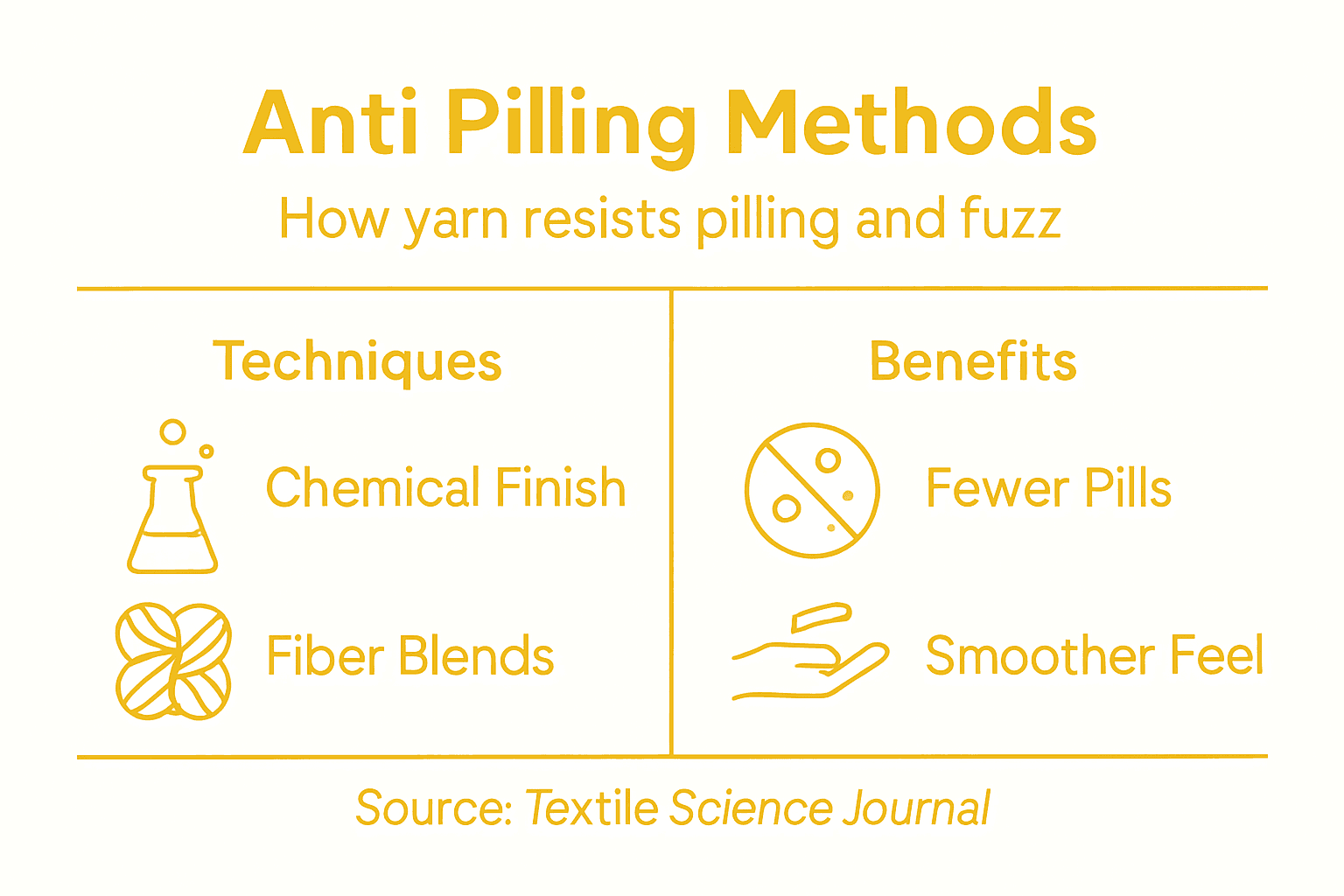
Chemical and mechanical processes form the core of anti pilling yarn technology. These advanced techniques work through several key mechanisms:
-
Fiber Reinforcement Strategies:
- Polymer coating applications
- Cross-linking chemical treatments
- Surface fiber encapsulation
- Enzyme-based fiber stabilization
-
Mechanical Intervention Techniques:
- Precision surface shearing
- Fiber alignment optimization
- Mechanical fiber bonding
- Surface fuzz reduction methods
The intricate process of preventing pilling involves understanding and manipulating fiber interactions at a microscopic level. Synthetic fiber modifications play a crucial role in reducing the tendency of yarns to develop those frustrating small balls of tangled fibers that can compromise a project’s appearance.
Advanced treatment methods like dopamine and silk sericin applications demonstrate the cutting-edge approach to yarn technology. These innovative techniques focus on creating a protective layer that minimizes fiber migration while maintaining the yarn’s essential characteristics like softness and breathability.
Modern anti pilling technologies aim to strike a delicate balance between preventing fiber entanglement and preserving the yarn’s natural properties. By implementing targeted surface modifications, textile engineers can significantly extend the lifespan and aesthetic quality of crafting materials.
For easy comparison, here is a summary of anti pilling yarn technology methods and their primary benefits:
| Treatment Method | Main Benefit | Impact on Yarn |
|---|---|---|
| Chemical Modification | Minimizes surface friction | Improves durability |
| Mechanical Fiber Bonding | Strengthens fiber structure | Reduces fuzz and pills |
| Enzymatic Processing | Alters fiber properties | Enhances softness, maintains quality |
| Polymer Coating | Shields fibers from abrasion | Extends lifespan, increases strength |
This table highlights how different technical approaches contribute uniquely to anti pilling performance.
Pro tip: Inspect your yarn closely before purchasing, looking for signs of advanced surface treatment and fiber engineering that indicate superior anti pilling performance.
Benefits and Drawbacks for Crochet Projects
Crochet enthusiasts are increasingly turning to anti pilling yarn as a strategic solution for creating long-lasting, professional-looking projects. The benefits of anti pilling technology extend far beyond simple aesthetic preservation, offering crafters a more durable and refined crafting experience.
Key advantages of anti pilling yarn for crochet projects include:
- Significantly extended project lifespan
- Reduced surface fuzzing and fiber degradation
- Maintained original fabric texture
- Enhanced abrasion resistance
- More professional-looking finished items
However, crafters should also consider potential drawbacks when selecting anti pilling yarn. Specialized treatments can sometimes introduce subtle compromises in yarn performance. These may include:
- Slightly increased yarn stiffness
- Higher production costs
- Potential reduction in natural fiber softness
- Limited eco-friendly manufacturing options
The decision to use anti pilling yarn ultimately depends on balancing project requirements with personal crafting preferences. While the technology offers remarkable benefits in durability and appearance, individual crafters must weigh the trade-offs between enhanced longevity and potential changes in yarn texture.
Cost considerations play a significant role in yarn selection. Anti pilling yarns typically command a premium price point due to the advanced engineering required to achieve their specialized properties. Crafters must evaluate whether the long-term benefits justify the initial investment for their specific projects.
Pro tip: Always request a yarn sample or swatch before committing to a large anti pilling yarn purchase, allowing you to personally assess its texture and performance characteristics.
Choosing Anti Pilling Yarn: US Recommendations
Selecting the perfect anti pilling yarn requires understanding nuanced performance characteristics specific to American crafting standards. US textile guidelines emphasize comprehensive evaluation of yarn quality beyond simple visual appeal.
Critical factors for selecting anti pilling yarn include:
- Fiber composition and length
- Twist density and uniformity
- Surface treatment quality
- Manufacturing transparency
- Performance certifications
Fiber characteristics play a pivotal role in determining anti pilling performance. American crafters should prioritize yarns with:
- Long staple fibers
- Tight, consistent twisting
- Enzyme or polymer-based surface treatments
- Clear labeling of anti pilling properties
Regional preferences in the United States tend to favor yarns that balance durability with softness. Synthetic blends often provide superior anti pilling performance compared to pure natural fiber variants, offering enhanced resistance to surface degradation.
When evaluating yarn options, consider the specific project requirements. Blankets and frequently used items demand higher anti pilling standards, while decorative pieces might prioritize aesthetic qualities over extreme durability.
Pro tip: Request manufacturer-provided abrasion test results and conduct a personal friction test by rubbing the yarn sample between your fingers to assess its anti pilling potential.
Discover the Power of Anti Pilling Yarn for Your Next Crochet Masterpiece
Struggling with yarn that pills and wears down your crochet projects before they should? The article highlights how anti pilling yarns use advanced fiber bonding and surface treatments to keep your creations smooth and lasting longer. If you want to avoid the frustration of surface fuzz and maintain the professional look of your work choose yarn that truly performs. Explore our premium Yarn collection designed to offer enhanced durability and softness, perfect for crochet enthusiasts who demand the best.
.png)
Experience the difference now by visiting CRAFTISS and selecting yarns engineered for superior anti pilling performance. Don’t let pilling ruin your beautiful projects. Shop today, craft with confidence, and preserve your handiwork with yarn that keeps its charm stitch after stitch.
Frequently Asked Questions
What is anti pilling yarn?
Anti pilling yarn is a specialized textile designed to resist the formation of small balls of tangled fibers, known as pills, that can occur with regular use. This yarn features enhanced durability and aesthetic maintenance through various treatment methods that strengthen fiber connections and reduce surface friction.
How does anti pilling technology work?
Anti pilling technology employs chemical, mechanical, and enzymatic processes to minimize fiber friction and prevent pilling. These methods include polymer coatings, mechanical fiber bonding, and surface modifications that protect the yarn while maintaining its essential softness and breathability.
What are the benefits of using anti pilling yarn in crochet projects?
Using anti pilling yarn can significantly extend the lifespan of crochet projects, reduce surface fuzzing, and maintain the original fabric texture. It also enhances abrasion resistance, resulting in more professional-looking finished items that stand up to regular use.
Are there any drawbacks to using anti pilling yarn?
Potential drawbacks of anti pilling yarn may include slightly increased yarn stiffness, higher production costs, and a possible reduction in the natural softness of the fibers. Crafters should weigh these trade-offs against the benefits of enhanced durability and appearance.
