


What Is Single Ply Yarn and Its Impact on Crochet
Choosing the right yarn can feel confusing when you first start crochet, and single ply yarn often adds to the mystery. Many American crafters worry that this type is weaker or less reliable, but that belief misses the full picture. Single ply yarn brings a softer, more natural texture compared to plied options, making it a favorite for certain projects. This introduction will clear up the confusion so you can confidently match your yarn to your next creative idea.
Table of Contents
- Single Ply Yarn Defined and Debunked
- Comparing Single Ply and Plied Yarn Types
- Key Features: Texture, Strength, and Appearance
- Best Uses for Single Ply Yarn in Crochet
- Common Pitfalls When Working With Single Ply
Key Takeaways
| Point | Details |
|---|---|
| Single Ply Yarn Characteristics | Single ply yarn consists of one continuous strand, offering superior softness and drape compared to plied yarns. |
| Strength Considerations | While single ply excels in aesthetics, it may be weaker and prone to pilling, making it less suitable for heavily used items. |
| Project Selection Guidance | Choose single ply for decorative and delicate projects, while opt for plied yarns when durability and strength are priorities. |
| Common Challenges | Be mindful of yarn splitting, uneven gauge, and pilling when working with single ply yarn, and test tension consistently. |
Single Ply Yarn Defined and Debunked
Single ply yarn consists of one continuous strand of twisted fibers, unlike plied yarns that combine multiple strands together. Think of it as a single rope instead of several ropes braided as one. The key distinction is structural, and understanding this matters for your projects.
Many crafters believe single ply yarn is automatically weak or inferior. This is a common misconception that doesn’t hold up in practice. Quality depends on fiber content and spinning technique, not simply on ply count alone.
Here’s what actually defines single ply construction:
- One strand of fibers twisted to form the complete yarn
- No additional strands combined with other strands
- Can vary significantly in thickness and strength
- Often provides a softer, more natural feel than tightly plied alternatives
The way single ply yarn differs structurally from plied yarns affects how you should use them in crochet. Single ply works beautifully for delicate garments, lacy shawls, and intricate stitch patterns where drape matters more than maximum durability.
Plied yarns twist two or more strands together, creating different characteristics. Understanding yarn ply explained gives you better control over your project selection and outcomes.
Single ply yarn’s strength depends on fiber type and twist, not simply on having fewer plies combined into one strand.
When comparing yarns, avoid the trap of assuming more plies always mean better quality. A well-spun single ply merino wool outperforms a loosely twisted three-ply acrylic in many applications. Your project needs should guide your choice.
Common uses for single ply in crochet include:
- Lightweight shawlettes and wraps
- Delicate amigurumi with visible stitch detail
- Blankets requiring exceptional softness
- Projects where fiber drape creates the design
Pro tip: Test your single ply yarn’s elasticity before starting your project—gently pull a small length to see how much stretch it has, which reveals the spinning tightness and helps predict how it will perform in your finished piece.
Recommended supplies for your project


Comparing Single Ply and Plied Yarn Types
Single ply and plied yarns each bring different strengths to your crochet projects. The choice between them depends on what you’re making and how you want it to perform.
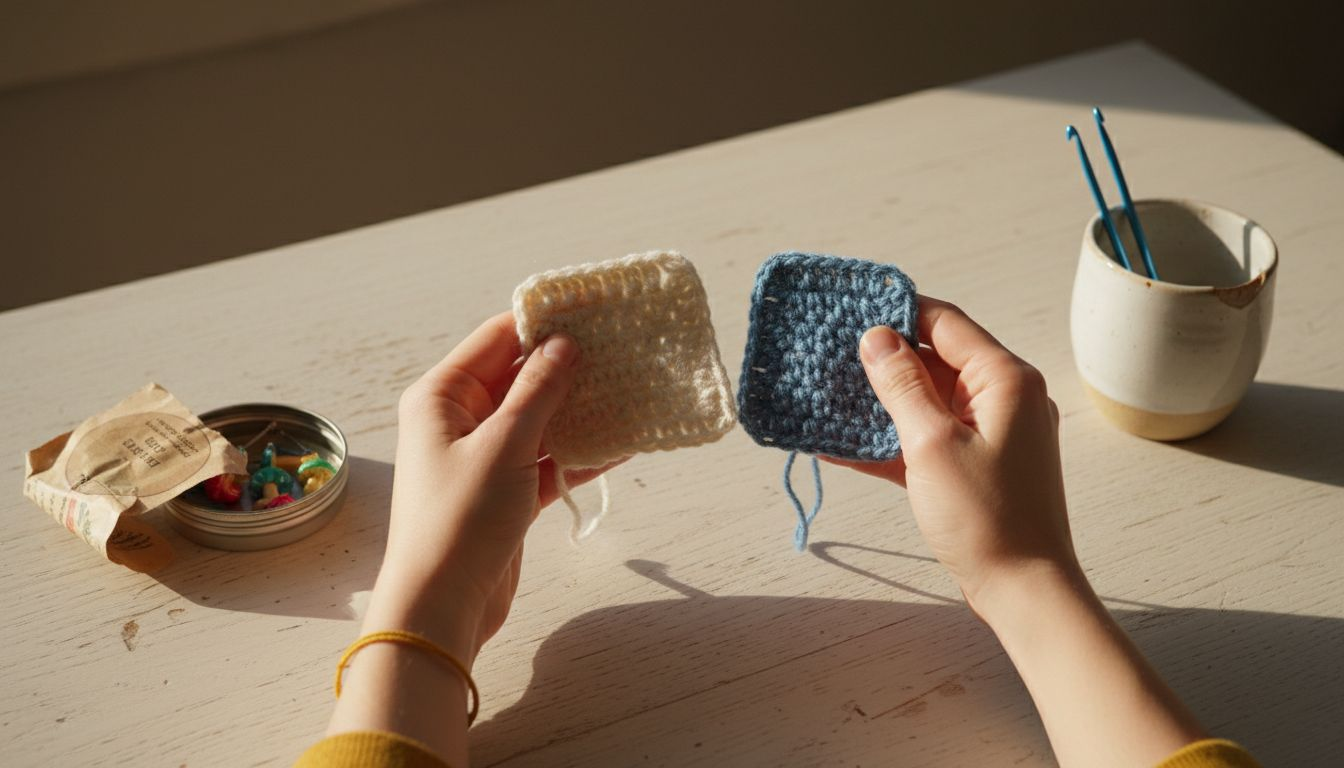
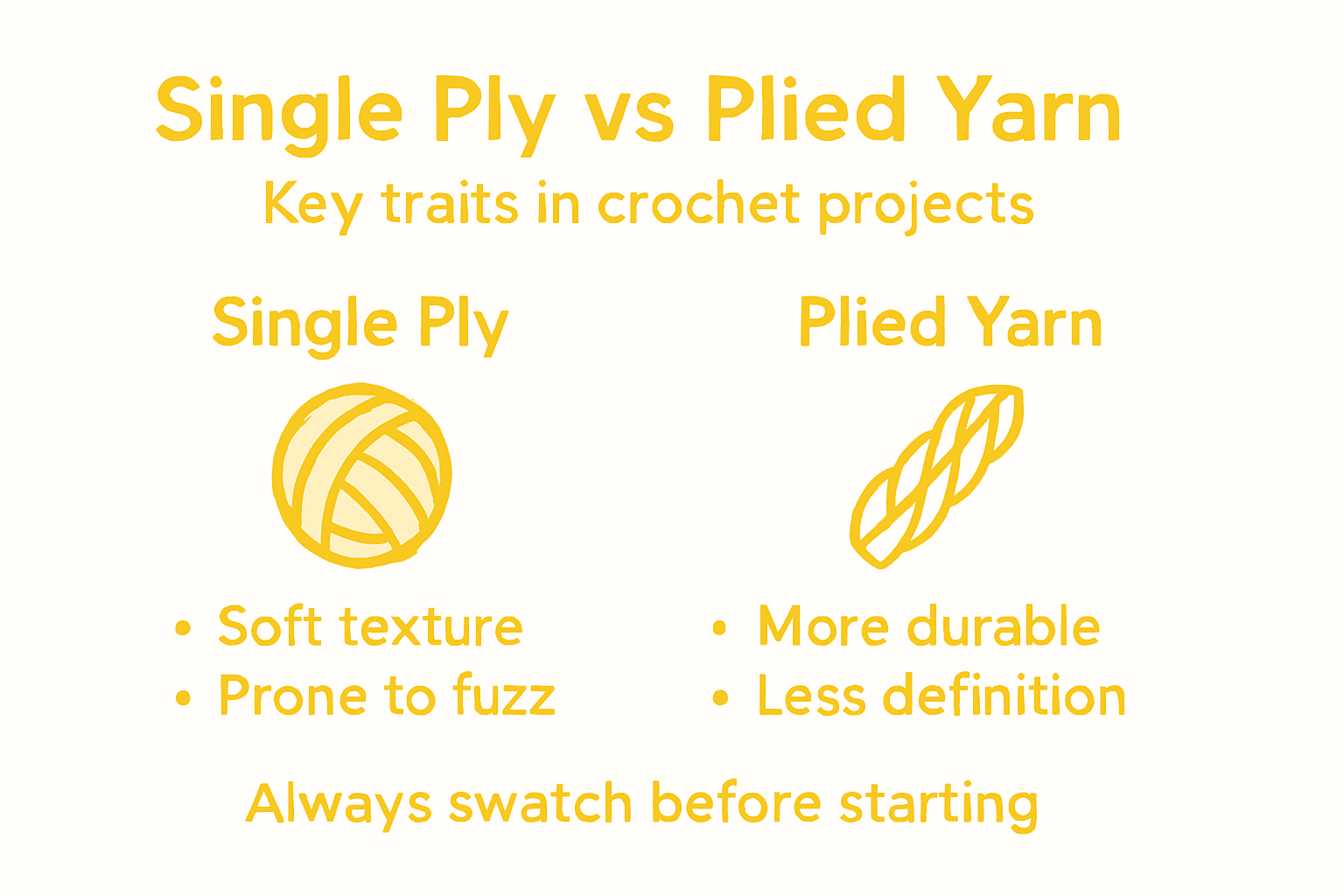
Single ply yarn is one continuous strand of twisted fibers, while plied yarn combines multiple strands twisted together. This fundamental difference shapes everything about how they behave.
Here’s how they compare in practical terms:
- Single ply offers superior softness and drape for delicate items
- Plied yarn delivers greater strength and durability for everyday wear
- Single ply shows stitch detail more clearly in intricate patterns
- Plied yarn resists pilling and wear better over time
- Single ply feels lighter and airier in finished projects
- Plied yarn holds its shape with better resilience
The structural differences between twisted and plied yarn affect how your finished piece will look and last. Single ply excels when drape matters most, like in shawlettes or lacy blankets. Plied yarn outperforms when you need durability, such as in baby blankets or frequently washed garments.
When comparing quality metrics, plied yarn typically enhances strength by mechanically reinforcing the structure through multiple twisted strands. Single ply may be more prone to breakage under stress and can pill more easily on finished items.
Choose single ply when softness and visual stitch definition matter; choose plied yarn when durability and longevity are your priority.
Fiber content influences both types equally. A high-quality merino single ply outperforms a low-quality acrylic plied yarn. Never assume plied is automatically better without considering the fibers used.
Decision framework for your projects:
Here’s a concise comparison of single ply and plied yarn for project selection:
| Yarn Type | Best For | Potential Drawbacks | Ideal Project Examples |
|---|---|---|---|
| Single Ply | Softness and drape | Prone to splitting and pilling | Lacy shawls, decorative throws |
| Plied | Durability and shape retention | Less visible stitch detail | Baby blankets, daily garments |
- Identify your project’s primary need (softness, durability, drape, or detail visibility)
- Consider how often the item will be worn or washed
- Match yarn type to those requirements
- Test your specific yarn choice before committing to the full project
Pro tip: Make a small gauge swatch with both single ply and plied yarn options for your pattern, then wash and wear it for a few days to see which truly meets your project needs.
Key Features: Texture, Strength, and Appearance
Single ply yarn delivers distinct characteristics that set it apart in your crochet projects. Understanding these features helps you choose the right yarn for what you want to create.
Texture is where single ply truly shines. The yarn feels softer and more natural than smooth plied alternatives, with a loftier, less compact construction that creates a luxurious drape. This texture adds visual interest and tactile appeal to finished pieces.
Here’s what makes single ply unique:
- Softer, more tactile feel in your hands
- Lofty construction creates airiness in finished fabric
- Greater hairiness adds visual texture and interest
- Rustic, artisanal appearance appeals to handmade projects
- Natural variation in color uptake creates heathered effects
Strength is where single ply requires careful consideration. Since one strand bears all the stress during wear and washing, single ply yarns are more prone to breakage than their plied counterparts. This matters most for frequently used items or high-traffic garments.
The tensile strength differences between yarn types directly affect durability and longevity. Plied yarns distribute stress across multiple strands, protecting the fabric from damage. Single ply excels in items worn gently, like shawls or display pieces.
Appearance varies significantly between single and plied yarns. Single ply produces a slightly rustic look that works beautifully in natural fiber projects and artisanal designs. The uneven fiber distribution can create varied color effects, especially with hand-dyed yarns.
Single ply’s softer texture and rustic appearance make it ideal for delicate, decorative projects where durability takes a backseat to beauty.
When comparing side-by-side, single ply shows more stitch definition and creates more visually interesting fabric. Plied yarns appear smoother and more uniform, hiding stitch detail.
Review key care considerations between yarn types before choosing your materials:
| Yarn Type | Washing Tips | Longevity Advice |
|---|---|---|
| Single Ply | Hand wash recommended | Limit frequent handling |
| Plied | Machine washable | Suits regular wear and wash |
Key differences at a glance:
- Texture: Single ply wins for softness; plied yarn for uniformity
- Strength: Plied yarn outperforms under stress and washing
- Appearance: Single ply offers rustic charm; plied yarn looks polished
Pro tip: Reserve single ply yarn for shawls, delicate blankets, and decorative pieces that won’t endure frequent washing or rough handling, then save plied yarn for baby items and garments worn daily.
Best Uses for Single Ply Yarn in Crochet
Single ply yarn shines in specific crochet projects where its natural softness and drape take center stage. Knowing which projects suit this yarn type helps you create beautiful, long-lasting pieces.
Delicate garments are perfect for single ply. Shawls, wraps, and lightweight cardigans benefit from the yarn’s soft hand and graceful drape. These items don’t experience heavy wear, so durability concerns become less critical.
Single ply works beautifully for:
- Shawlettes and triangular wraps
- Delicate scarves and neck accessories
- Lightweight summer garments
- Lacy blankets and throws
- Decorative amigurumi and art pieces
- One-of-a-kind artisan projects
Decorative pieces showcase single ply’s artistic potential. The yarn’s natural variation and loft create unique textured effects that plied yarns can’t match. Handmade crochet art pieces, display items, and special occasion garments benefit from this aesthetic richness.
When selecting single ply for any project, consider how the item will be used. Single ply yarn suits items that don’t require heavy wear resistance, so reserve it for pieces worn occasionally or displayed as art.
Color blending becomes more vibrant with single ply because the yarn’s structure allows fibers to showcase their natural variation. Hand-dyed yarns in single ply create stunning heathered and variegated effects.
Single ply excels in projects where beauty and artistry matter more than withstanding constant washing and heavy handling.
Avoid single ply for items needing structural durability. Baby blankets that get washed weekly, sturdy bags, or everyday wear garments demand the strength that plied yarns provide.
Project selection framework:
- Assess how often the finished item will be worn or washed
- Choose single ply only for gentle-use pieces
- Match the yarn’s softness to your project’s purpose
- Test durability concerns with a small swatch if unsure
Pro tip: When starting your first single ply project, begin with a shawl or wrap rather than a garment—these pieces showcase the yarn’s beauty while requiring minimal yarn quantity for experimenting.
Common Pitfalls When Working With Single Ply
Single ply yarn presents unique challenges that beginners often encounter. Understanding these pitfalls helps you work through them with confidence and patience.
Yarn splitting is the most frustrating issue. Because single ply consists of one strand, your crochet hook can easily catch and split the fibers mid-stitch. This slows progress and creates inconsistent stitches that affect your final piece.
Common problems include:
- Yarn splitting on every stitch
- Pilling and fuzzing after just a few rows
- Uneven thickness throughout the yarn
- Inconsistent gauge in your finished piece
- Loss of shape or stretching over time
- Difficulty maintaining consistent tension
Pilling and fuzziness happen more readily with single ply, especially with lower-quality fibers or loosely spun yarns. The individual fibers break loose more easily than they would in a protected plied structure. And yes, I learned this the hard way on my first shawl.
Single ply yarns may be more prone to stretching and shape loss compared to their plied counterparts, affecting how garments fit over time. This matters most for items you’ll wear frequently or wash regularly.
Uneven thickness creates gauge problems. If your yarn varies in thickness, your finished piece will have inconsistent stitch sizes and texture, making the whole project look unpolished.
Single ply requires more attention, refined technique, and patience than plied yarns—but the results justify the extra effort.
Tension control becomes critical. Holding the yarn too tightly will cause splitting; too loosely results in loose, uneven stitches. You’ll need to find your sweet spot.
How to minimize these issues:
- Use the correct hook size for your yarn weight
- Work slowly and deliberately to avoid splitting
- Choose quality fibers when possible
- Test your yarn in a small swatch first
- Monitor your tension throughout your project
Pro tip: Invest in a slightly larger crochet hook than your yarn weight typically calls for—the extra space gives fibers more room and dramatically reduces splitting.
Elevate Your Crochet Projects with the Right Single Ply Yarn
Choosing the perfect single ply yarn can transform your delicate garments and decorative pieces into stunning works of art. If you struggle with yarn splitting or want exceptional softness and beautiful drape for your crochet creations, finding high-quality yarn and the right tools is key. Understanding how single ply yarn behaves helps you avoid common pitfalls and ensures your projects bring lasting joy.
.png)
Explore our premium selection of Yarn designed to meet the needs of both beginners and advanced crocheters who demand softness, strength, and gorgeous stitch definition. Keep your materials organized and protected with our stylish Yarn Bags. Visit CRAFTISS today to find yarns crafted to enhance your artistry and elevate every crochet project. Shop now and start creating with confidence!
Frequently Asked Questions
What is single ply yarn?
Single ply yarn is a type of yarn made from one continuous strand of twisted fibers, without any additional strands combined. It is known for its softness and drape, making it suitable for delicate crochet projects.
How does single ply yarn differ from plied yarn?
Single ply yarn consists of a single strand, while plied yarn combines two or more strands twisted together. This structural difference affects their softness, durability, and how they showcase stitch detail in projects.
What are the best projects for using single ply yarn in crochet?
Single ply yarn is ideal for lightweight shawls, delicate scarves, lacy blankets, and decorative amigurumi. Its softness and drape make it perfect for projects that prioritize beauty over durability.
What challenges might I face when using single ply yarn for crochet?
Common challenges with single ply yarn include yarn splitting, pilling, difficulty maintaining consistent tension, and uneven thickness. Attention to technique and careful selection of fibers can help mitigate these issues.
