


Why Choose Cotton Yarn for Crochet Projects
Finding the perfect yarn for your crochet projects can feel confusing when every aisle promises something different. Understanding the unique qualities of cotton yarn helps you move past common myths and make confident choices for your work. Whether you want smooth, sturdy dishcloths or soft, colorful summer wear, learning about the true strengths of cotton fiber opens up a world of creative possibilities for your next project.
Table of Contents
- Cotton Yarn Defined And Common Misconceptions
- Key Qualities Of Cotton Yarn Fibers
- Popular Types Of Cotton Yarn For Crochet
- Practical Benefits In Crochet Applications
- How Cotton Yarn Compares To Other Fibers
Key Takeaways
| Point | Details |
|---|---|
| Cotton Yarn Characteristics | Cotton yarn varies significantly in texture, strength, and absorbency based on fiber type and processing. |
| Durability and Care | Cotton yarn is strong and resilient, making it ideal for functional projects that require frequent washing. |
| Versatility of Cotton Yarn | Suitable for a wide range of projects, cotton yarn can be used for summer garments as well as textured home decor items. |
| Comparison with Other Fibers | Cotton offers a balanced choice compared to other fibers like wool or synthetics, excelling in comfort and ease of care. |
Cotton Yarn Defined and Common Misconceptions
Cotton yarn starts with a simple source: the cotton plant. Specifically, cotton fiber develops through stages including fiber initiation, elongation, and cell wall thickening, yielding a nearly pure cellulose product that gets spun into yarn. When manufacturers harvest this fiber from domesticated cotton plants in the genus Gossypium, they’re working with one of the most versatile natural materials available to crafters. The most common variety you’ll encounter is Upland cotton, which accounts for about 90% of commercial cotton production worldwide. Think of it this way: a cotton plant produces fluffy white bolls filled with fiber, and those fibers get cleaned, carded, and then spun together into the continuous strand of yarn you hold in your hands when you’re working on a project.
Now here’s where misconceptions start creeping in. Many beginners assume all cotton yarn is the same because it comes from the same plant. Not true. Cotton yarn varies significantly depending on how tightly it’s spun, how many plies it contains, and what weight it’s labeled as. Some cotton yarn feels smooth and refined, while other cotton yarn feels more rustic and textured. The spinning process determines everything about how your finished blanket or garment will look and feel. Another common misconception is that cotton yarn is delicate and won’t hold up in projects. The reality is the opposite. Cotton fiber is remarkably strong, especially when wet, which actually makes it more durable than many people expect. You can wash cotton projects repeatedly without fear of the yarn breaking down.
People also often believe that cotton yarn is only suitable for summer garments. While it’s true that cotton breathes beautifully and works perfectly for lightweight items like tank tops and summer blankets, cotton yarn also creates wonderfully textured items for home decor, amigurumi, dishcloths, and even structured bags. The versatility comes from understanding that yarn is a continuous length of interlocked fibers that can be manipulated in countless ways depending on your stitch choices and project design. One final misconception worth addressing: the idea that natural fiber yarn is always more expensive or harder to work with than synthetic alternatives. Quality cotton yarn offers genuine value because it lasts longer, maintains its appearance wash after wash, and becomes softer the more you use it. Your cotton projects will age beautifully, developing character that synthetic materials simply cannot replicate.
Pro tip: When selecting cotton yarn for your first project, hold several different weights in your hands and feel the texture firsthand, since the spinning variations between brands mean you’ll want to find what feels right for your hands and your project vision.
Key Qualities of Cotton Yarn Fibers
What makes cotton yarn perform so well in your projects comes down to specific fiber characteristics that develop during cotton growth and processing. Fiber length stands out as one of the most important factors affecting how your yarn behaves. Longer cotton fibers produce stronger yarn with a smoother surface that requires less twist during spinning. This matters directly to your work because yarn made from longer fibers resists breaking, slides more smoothly over your crochet hook, and creates more consistent stitches. Shorter fibers create the opposite effect, leading to weaker yarn with visible irregularities and increased breakage as you work. The difference becomes obvious when you’re halfway through a project and comparing how different cotton brands feel under your hands. Upland cotton, which dominates global production, has been carefully bred to improve fiber quality traits like length, strength, and uniformity, ensuring that the yarn you purchase meets high standards.
Beyond length, fiber strength determines whether your finished projects will hold up to wear and washing. Strong fibers mean your stitches remain secure even when you tug on your work or when the finished piece stretches during use. Cotton gains strength when wet, which is counterintuitive but incredibly useful. This quality means you can wash your cotton blankets, dishcloths, and summer tops with confidence, knowing they’ll actually improve with age rather than deteriorate. Fiber strength also relates to how evenly the fibers are distributed throughout the yarn. When cotton fibers are uniform in quality, you get consistent tension as you crochet, resulting in even stitches and a professional appearance. This uniformity is measured during processing using high-tech assessment tools, and quality yarn manufacturers prioritize this because it directly impacts the final product your hands create.
Another critical quality is fiber absorbency, which gives cotton yarn its signature breathability and comfort. Cotton naturally pulls moisture away from skin, making it perfect for wearables and items you’ll use in warm weather or humid climates. This absorbency also means cotton yarn accepts dyes beautifully, which is why you see such vibrant, rich colors in quality cotton yarns. The fiber’s structure allows it to hold color permanently without fading as quickly as synthetic fibers do. Additionally, cotton’s smooth surface naturally repels dirt and resists pilling, meaning your projects maintain their appearance wash after wash. When you choose quality cotton yarn, you’re investing in fibers that have been selected for these combined characteristics, not just their raw material source.
Here’s what brings it all together: the best cotton yarn balances fiber length, strength, uniformity, and absorbency. When manufacturers breed and select cotton plants for textile production, they’re focused on maximizing these exact qualities. You benefit from decades of agricultural science when you pick up a skein of quality cotton yarn. The fiber characteristics determine everything about your experience, from how easily it slides through your fingers to how beautifully your finished project ages over time.
Pro tip: When shopping for cotton yarn, feel the texture and look for labels that mention long staple or extra-long staple fibers, as these produce noticeably smoother, stronger yarn that’s more enjoyable to work with and creates superior finished projects.
Recommended supplies for your project


Popular Types of Cotton Yarn for Crochet
Cotton yarn comes in several distinct varieties, each with characteristics that make it better suited for different projects. Understanding these types helps you choose the right yarn for exactly what you want to create. Egyptian cotton stands out as the premium option, featuring the longest fibers available in commercial cotton production. This extra length translates to yarn that feels exceptionally soft, drapes beautifully, and creates projects with an almost luxurious quality. Because of these superior characteristics, Egyptian cotton yarn costs more than other options, but many crafters find the investment worthwhile for garments and items meant to feel special against skin. Pima cotton sits in the middle ground, offering excellent softness and durability without the premium price tag of Egyptian cotton. It provides strong, smooth yarn that works wonderfully for everything from summer tops to home decor items. American upland cotton represents the most widely available and affordable option, giving you access to an enormous range of colors and yarn weights. While upland cotton fibers are shorter than Egyptian or Pima varieties, modern breeding and processing techniques have significantly improved their quality, making upland cotton yarn perfectly suitable for most crochet projects.
Here’s a summary of popular cotton yarn types and their key characteristics:
| Yarn Type | Fiber Length | Typical Uses | Cost Level |
|---|---|---|---|
| Egyptian Cotton | Longest fibers | Garments, luxury items | High |
| Pima Cotton | Longer fibers | Wearables, home decor | Moderate |
| Upland Cotton | Shorter fibers | Everyday projects, dishcloths | Affordable |
| Cotton Blends | Varies by blend | Structured, durable projects | Varies by blend |
Beyond the source of the cotton, yarn also comes in different weight categories that dramatically affect your finished projects. Cotton yarns vary by weight, ranging from delicate lace weight up to chunky jumbo options. DK weight cotton yarn has become increasingly popular for crochet projects because it hits a sweet spot between creating fabric with beautiful drape and maintaining enough structure to show off stitch definition. Worsted weight cotton yarn works faster and creates sturdy items like dishcloths, market bags, and sturdy home decor pieces. Sport weight cotton falls between DK and worsted, offering versatility for garments that need a balance of breathability and structure. For beginners starting their cotton crochet journey, DK weight or worsted weight typically provides the most forgiving experience since you can easily see your stitches and correct mistakes without losing your mind. Lace weight cotton creates delicate, ethereal projects but requires more attention and patience, making it better suited for experienced crafters who enjoy intricate work.
Cotton yarn also comes in blended varieties that combine cotton with other fibers to achieve specific qualities. Cotton blended with linen creates yarn that’s even more structured and crisp, perfect for projects requiring sharp stitch definition like amigurumi or structured bags. Cotton blend yarns tested for durability and breathability include options that maintain cotton’s wonderful properties while adding extra resilience or softness. Some manufacturers blend cotton with a touch of synthetic fiber to increase elasticity, which helps prevent the slightly stiff feeling pure cotton can have in certain projects. Blends also often provide improved color retention and easier care compared to 100 percent cotton. When shopping, you’ll notice that pure cotton is still the dominant choice for crochet because its minimal elasticity makes it ideal for creating structured items with clean lines, but understanding these blended options expands your creative possibilities considerably. You can find essential yarn types for crochet that detail how different cotton varieties work in various project categories.
The practical reality is that cotton yarn selection depends entirely on your project goals and budget. Creating a summer tank top calls for different considerations than making dishcloths or a decorative basket. Higher quality cotton from Egyptian or Pima sources justifies the extra cost when you’re making something you’ll wear frequently or gift to someone special. Upland cotton yarn delivers excellent results for everyday projects, home goods, and items where the softness difference won’t make or break your satisfaction. The weight you choose determines your project scale and the visual impact of your stitch pattern. Always feel yarn in person when possible, because the difference between DK and worsted weight cotton is easier to understand by touch than by description, and your hands will tell you immediately which type appeals to you most.
Pro tip: Buy a small skein of several different cotton types and weights, crochet small swatches with each, wash them to see how they behave, and note which ones feel best in your hands before committing to a full project.
Practical Benefits in Crochet Applications
When you pick up cotton yarn for your crochet projects, you’re getting tangible advantages that show up immediately in your work and continue delivering value long after you finish your project. Durability tops the list of practical benefits. Cotton fiber naturally resists breaking and weakening, even when your finished projects endure repeated washing, stretching, and everyday use. A cotton dishcloth you make today will still be functional and attractive years from now, maintaining its structure and appearance through countless cycles in the washing machine. This durability makes cotton yarn the logical choice for items that will get hard use rather than sitting on a shelf. When you invest time in a project, you want it to last, and cotton delivers that promise consistently. Quality cotton fibers reduce yarn irregularities and pilling, which means your finished pieces maintain their smooth, attractive appearance even after extended wear. Compare this to synthetic yarns that can develop fuzzy pilling or weaken noticeably over time, and you understand why experienced crafters specifically seek out cotton for projects meant to become everyday staples.
Breathability and comfort make cotton exceptional for wearable projects and items you’ll use in warm climates. Cotton naturally pulls moisture away from skin, creating garments that feel cool and dry even during hot weather or physical activity. This moisture-wicking quality is why cotton t-shirts remain popular for summer wear, and the same principle applies to crochet projects. A cotton tank top, shawl, or lightweight blanket will feel comfortable against your skin in ways that synthetic alternatives simply cannot match. The fiber also allows air circulation, preventing that clammy feeling you get from synthetics in humid conditions. Additionally, cotton yarn accepts dyes beautifully and holds color permanently, which means your finished projects maintain their vibrant hues wash after wash without fading. This color stability is particularly valuable for items you plan to gift or items that will be treasured for years. Cotton yarn benefits crochet applications through its strength, breathability, and moisture absorption, creating finished projects that are genuinely comfortable and long-lasting.
The structural integrity cotton provides sets it apart for certain project types. Unlike some fibers with natural elasticity that can stretch out of shape, cotton’s minimal elasticity makes it ideal for projects requiring clean lines and structured shapes. Amigurumi (stuffed crocheted toys) hold their form beautifully in cotton because the fiber won’t relax and sag over time. Market bags and tote bags made from cotton maintain their shape and can safely carry heavy items without gradually stretching and becoming floppy. Dishcloths and washcloths made from cotton develop a perfect stiffness when dry that’s ideal for scrubbing, yet soften beautifully when wet. This predictable behavior means you can confidently crochet projects with specific structural requirements, knowing the cotton yarn will support your design vision. The absence of significant elasticity also means your tension work becomes more forgiving since the yarn itself isn’t fighting against your stitch patterns.
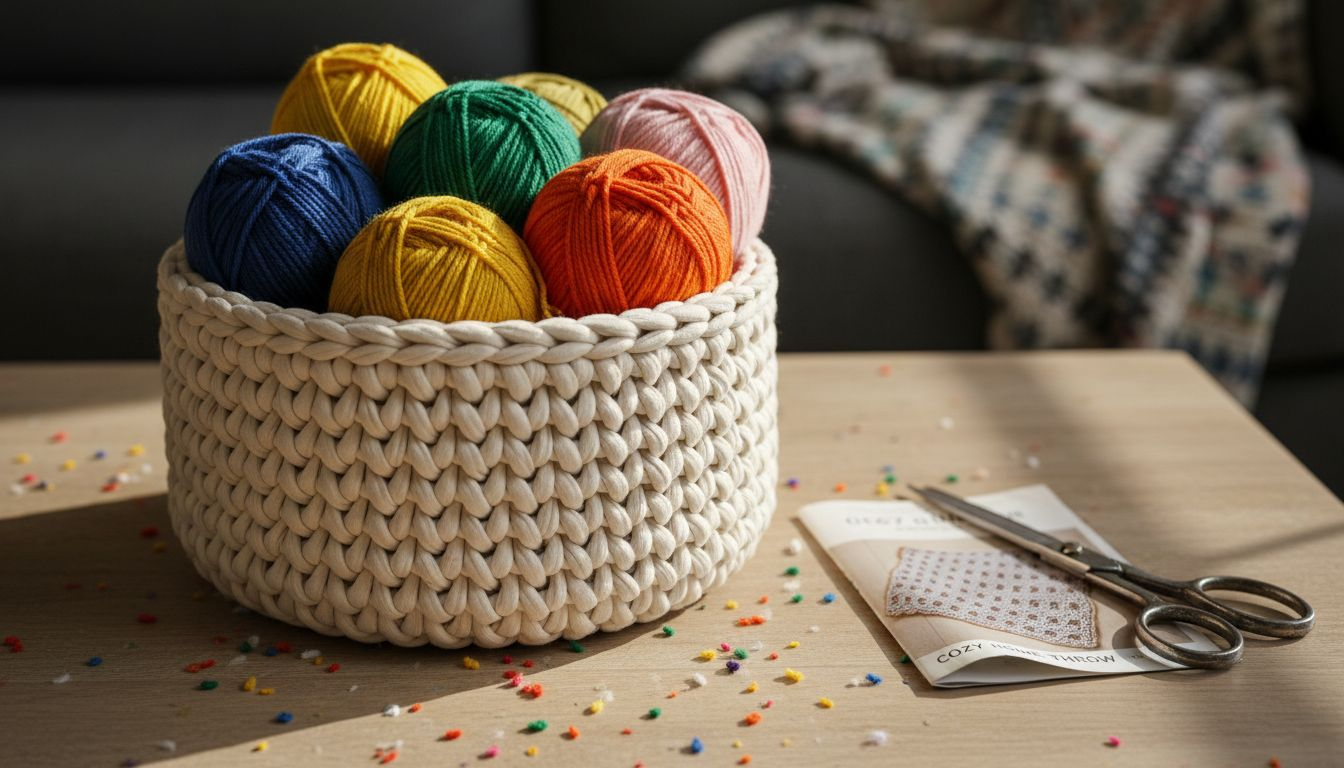
Another practical advantage is that cotton requires minimal special care. You can toss most cotton projects into the washing machine with regular laundry, using standard detergent and normal water temperature. You don’t need to hand wash, use delicate cycles, or worry about shrinkage the way you do with some fibers. This ease of care makes cotton ideal for practical items that people will actually use and wash frequently. A grandmother receiving a cotton blanket knows she can wash it whenever she wants without concern. A parent buying cotton items for children appreciates that durability meets convenience. Cotton also doesn’t require blocking with the precision that some delicate fibers demand, so your finished projects are ready to use immediately after binding off.
Pro tip: Choose cotton yarn for your first crochet projects that you plan to wash and use regularly, since the durability and easy care will prove the practical advantages of cotton while building your skills and confidence.
How Cotton Yarn Compares to Other Fibers
Cotton stands out in the fiber world because of its specific combination of properties, but understanding how it stacks up against other popular yarns helps you make informed choices for different projects. Cotton versus wool represents one of the most common comparisons beginners face. Wool is naturally elastic and warm, making it ideal for cold weather garments and projects that benefit from stretch and recovery. Wool also felts beautifully and holds its shape even after blocking and stretching. However, wool can feel itchy to sensitive skin, requires careful hand washing, and sheds fibers during the crafting process. Cotton lacks wool’s elasticity but excels at breathability and comfort against skin. If you’re making a summer tank top or items for someone with wool sensitivity, cotton wins. If you’re creating a warm winter sweater that needs structure and insulation, wool becomes the better choice. The decision ultimately depends on your project’s purpose and the wearer’s preferences.
Cotton versus synthetic fibers reveals cotton’s sustainability advantage balanced against synthetics’ durability benefits. Synthetic yarns (acrylic, polyester, nylon) offer exceptional durability, water resistance, and color fastness that surpass cotton’s performance in those specific areas. Synthetics are also typically more affordable and require virtually no special care. However, synthetics don’t breathe like cotton, can feel plasticky or uncomfortable against skin, and generate static electricity. Many experienced crafters describe synthetic yarn as less enjoyable to work with because it doesn’t have the natural give and feel of plant-based fibers. Synthetic blends attempt to balance these issues, but pure cotton still delivers superior comfort for wearables. Cotton fibers appear as flat ribbons with natural properties that create soft, absorbent, and breathable fabrics, characteristics synthetic materials simply cannot replicate. When durability matters more than comfort, synthetics make sense. When comfort and natural feel matter, cotton prevails.
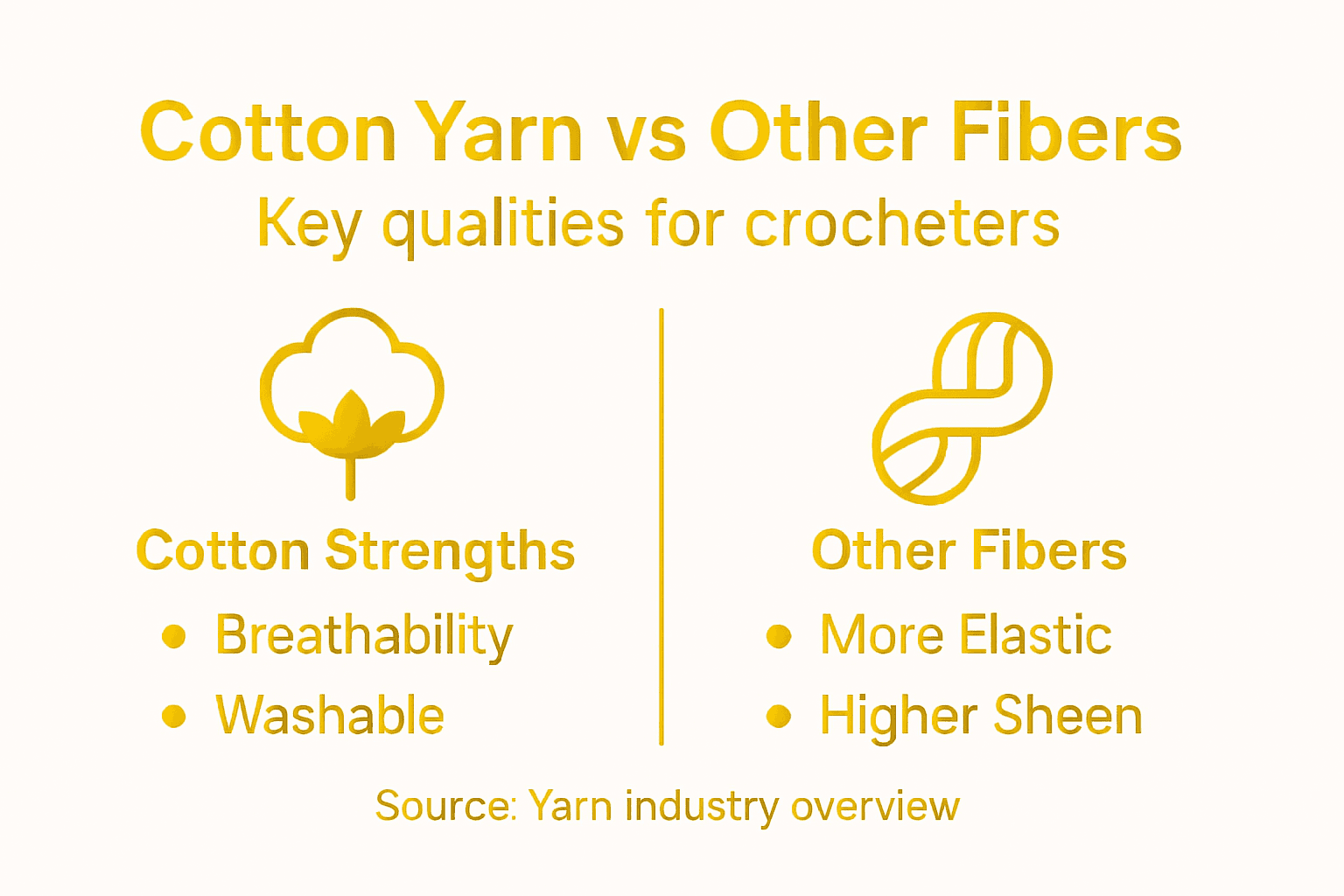
Cotton versus linen brings two plant-based fibers into comparison. Linen comes from flax plants and shares many similarities with cotton, including breathability and durability. Linen actually becomes stronger when wet, just like cotton. However, linen has a textured, slubby appearance that many people love but others find less refined than cotton’s smoother finish. Linen yarn also tends to be stiffer and less forgiving for beginners, creating a learning curve. Linen is typically more expensive than cotton and has a narrower range of available colors. Cotton offers more options, easier workability, and smoother finished projects while maintaining excellent breathability. For most American crocheters starting their journey, cotton provides the best entry point into natural plant-based yarns. Cotton versus silk rounds out the common fiber comparisons. Silk produces smooth, shiny yarn that drapes beautifully and feels luxurious against skin. Silk is also expensive, requires delicate handling during the crafting process, and demands careful washing. Silk projects are typically reserved for special items and experienced crafters with larger budgets. Cotton delivers similar breathability and comfort at a fraction of silk’s cost, making it the practical choice for most everyday projects.
The comparison ultimately shows that cotton occupies the sweet spot in the fiber spectrum. It’s not the most elastic like wool, not the most affordable like synthetics, and not the most luxurious like silk. Cotton is the reliable all-rounder that balances affordability, workability, comfort, and durability. Understanding where plant-based yarn options fit in your crafting goals helps you appreciate cotton’s strengths without dismissing other fibers. Beginning crafters benefit most from cotton because it teaches good technique without frustration, produces genuinely usable finished projects, and costs less than premium alternatives. As your skills develop, you might explore specialty fibers for specific effects, but cotton remains the foundation of a crafter’s yarn stash for excellent reasons.
This table highlights how cotton yarn compares to other common yarn fibers:
| Property | Cotton | Wool | Synthetic | Linen | Silk |
|---|---|---|---|---|---|
| Breathability | Excellent | Good | Limited | Excellent | Excellent |
| Elasticity | Minimal | High | Moderate | Low | Moderate |
| Care Difficulty | Easy machine wash | Often hand wash | Simple, machine wash | Easy, machine or hand | Needs delicate care |
| Affordability | Affordable | Varies | Most affordable | High | Expensive |
| Skin Comfort | Very soft | May irritate sensitive | Can feel plasticky | Crisp, may feel coarse | Smooth, very soft |
Pro tip: Create a small comparison swatch using cotton, wool, and synthetic yarn in similar weights to physically feel the differences, then wash and dry each swatch to observe how they age and react to care, which will solidify your understanding of when to choose cotton over alternatives.
Discover the Perfect Cotton Yarn for Your Next Crochet Masterpiece
Choosing the right cotton yarn can be overwhelming with so many varieties and weights available. This article highlights the importance of selecting yarn with long staple fibers and the right texture to ensure your project is durable, breathable, and comfortable. At Craftiss, we understand the challenge crafters face when searching for quality cotton yarn that balances softness and strength while offering vibrant colors that last.
.png)
Explore our curated Yarn – CRAFTISS collection designed to meet your exact crochet needs whether you want supple Egyptian cotton or versatile American upland cotton options. Pair your yarn with our handy Yarn Bags – CRAFTISS to keep your projects organized and portable. Ready to elevate your crochet experience with premium cotton yarn? Visit Craftiss today and find the perfect fiber that brings your creative vision to life now.
Frequently Asked Questions
What are the benefits of using cotton yarn for crochet projects?
Cotton yarn offers excellent durability, breathability, and moisture-wicking properties, making it great for everyday items and summer garments. It also maintains its appearance through repeated washings.
How does cotton yarn compare to other materials like wool or synthetic yarn?
Cotton yarn is less elastic than wool, making it ideal for projects requiring structure, while synthetic yarn is typically more affordable but may feel less comfortable against the skin. Cotton excels in breathability and comfort, especially in warm climates.
What types of cotton yarn are best for different crochet projects?
Egyptian cotton is ideal for luxury items, Pima cotton is great for wearables and home decor, while Upland cotton is affordable and suitable for everyday projects. The weight of the yarn also affects its use, with DK and worsted weights being popular choices for beginners.
Can cotton yarn be used for items other than summer garments?
Yes, cotton yarn is versatile and can be used for a variety of projects including dishcloths, home decor, amigurumi, and structured bags, in addition to summer clothing.
