


Why Plant-Based Yarns Matter for Crafters
Most American crafters assume plant-based yarns are too fragile for serious projects, yet tests reveal hemp yarn can outlast many traditional fibers. Misconceptions about these natural materials often prevent people from experiencing their impressive durability and comfort. Learning the truth about American plant-based yarn options uncovers a world of sustainable textile possibilities, helping you make smarter, eco-friendly choices without sacrificing quality or creativity.
Table of Contents
- Defining Plant-Based Yarns And Common Misconceptions
- Comparing Cotton, Linen, Bamboo, And Hemp Yarns
- How Plant-Based Yarns Impact Crafting Projects
- Environmental And Health Benefits Explained
- Cost, Durability, And Drawbacks Compared To Alternatives
Key Takeaways
| Point | Details |
|---|---|
| Plant-Based Yarns Offer Unique Benefits | These yarns are sustainable, hypoallergenic, and provide excellent moisture-wicking properties, making them an eco-friendly choice. |
| Different Types Serve Specific Purposes | Cotton, linen, hemp, and bamboo yarns have distinct characteristics suitable for various crafting needs, enhancing project outcomes. |
| Environmental and Health Advantages | Plant-based yarns reduce carbon emissions, are biodegradable, and have natural temperature-regulating and antimicrobial properties. |
| Cost vs. Durability Considerations | While generally more expensive than synthetics, plant-based yarns can offer better long-term durability and value, making them a wise investment. |
Defining Plant-Based Yarns and Common Misconceptions
Plant-based yarns represent a revolutionary approach to textile creation, transforming natural plant fibers into versatile crafting materials. Unlike traditional wool or synthetic options, these yarns originate directly from botanical sources like cotton, bamboo, hemp, and linen. Understanding yarn quality matters significantly when exploring these ecological textile alternatives.
Crafters often misunderstand plant-based yarns, believing they are inherently weak or less durable than animal-based fibers. In reality, these yarns offer remarkable strength, breathability, and unique textural characteristics. Cotton yarns provide softness and hypoallergenic properties, while hemp yields extraordinary tensile strength. Bamboo fibers create incredibly smooth, silky textures that rival luxurious silk materials.
The production process for plant-based yarns involves carefully harvesting, processing, and spinning raw plant materials into continuous threads. This intricate method requires specialized techniques to transform rigid plant structures into flexible, spinnable fibers. Some plant yarns undergo minimal processing, preserving natural characteristics, while others undergo more extensive treatment to enhance their spinning potential and textile performance.
Pro Tip for Plant Yarn Selection: Always examine the fiber content, twist, and recommended care instructions before purchasing plant-based yarns to ensure optimal performance in your specific crafting project.
Key Attributes of Plant-Based Yarns:
- Environmentally sustainable production
- Renewable resource origins
- Typically hypoallergenic
- Excellent moisture-wicking properties
- Diverse texture options
- Lower environmental impact compared to synthetic alternatives
Recommended supplies for your project


Comparing Cotton, Linen, Bamboo, and Hemp Yarns
Each plant-based yarn offers unique characteristics that make it valuable for different crafting projects. Essential yarn types provide crafters with diverse material options, enabling them to select the most appropriate fiber for their specific creative needs.
Cotton yarns remain the most familiar plant-based option, known for their softness and breathability. These yarns excel in creating lightweight garments and summer accessories. In contrast, linen yarns offer exceptional durability and a distinctive textured appearance. Blended bamboo-cotton yarns demonstrate remarkable textile properties, combining the best attributes of both fibers to create versatile crafting materials.
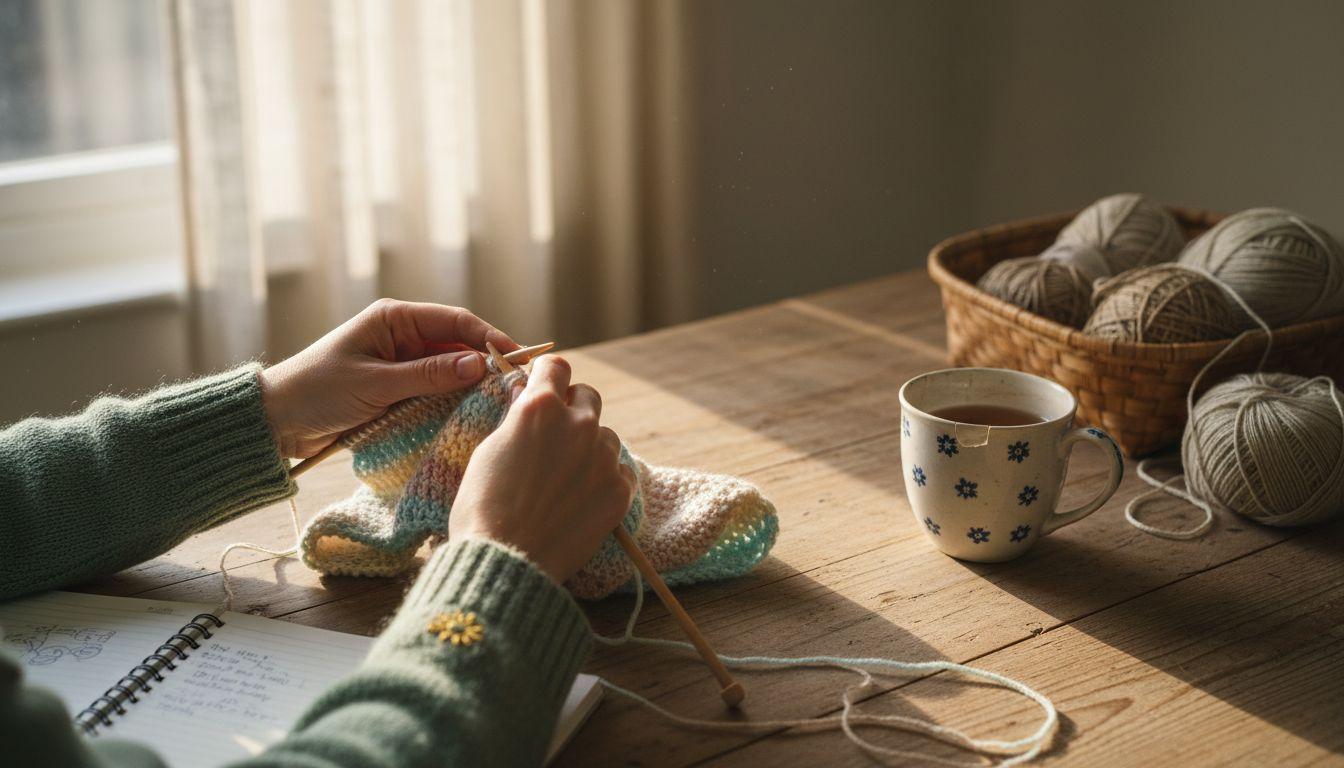
Hemp and bamboo yarns represent more innovative plant-based alternatives. Research examining hemp-linen fabric compositions reveals fascinating performance characteristics, including superior air permeability and moisture management. Bamboo yarns particularly shine with their incredibly soft texture and natural antimicrobial properties, making them ideal for items requiring exceptional comfort.
Comparative Yarn Characteristics:
- Cotton: Soft, breathable, widely available
- Linen: Durable, textured, excellent for structured projects
- Hemp: Strong, sustainable, enhanced moisture management
- Bamboo: Silky, antimicrobial, environmentally friendly
Pro Tip for Yarn Selection: Always consider your project’s specific requirements, including desired drape, durability, and washing instructions, when choosing between different plant-based yarn types.
Here’s how different plant-based yarns align with common crafting project goals:
| Yarn Type | Best For | Not Ideal For | Unique Advantage |
|---|---|---|---|
| Cotton | Baby items, light clothing | Heavy-use bags | Gentle on skin |
| Linen | Table linens, home decor | Stretchy garments | Crisp texture |
| Hemp | Totes, outdoor accessories | Delicate knits | Superior strength |
| Bamboo | Shawls, loungewear | Rugged items | Silky smooth drape |
How Plant-Based Yarns Impact Crafting Projects
Plant-based yarns fundamentally transform the crafting landscape, offering unprecedented versatility and sustainability for creative projects. Understanding the role of blended yarns enables crafters to explore innovative textile possibilities that extend far beyond traditional fiber choices.
The impact of plant-based yarns on crafting projects is multifaceted. These sustainable materials dramatically influence project characteristics like texture, durability, and environmental footprint. Cotton yarns provide exceptional softness for baby blankets and lightweight summer garments, while hemp yarns deliver remarkable strength for structured items like market bags and outdoor accessories. Bamboo yarns introduce extraordinary drape and silky smoothness, making them ideal for delicate shawls and elegant wraps.
Crafters increasingly recognize plant-based yarns as more than just an alternative material choice. They represent a conscious approach to textile creation that prioritizes environmental responsibility without compromising aesthetic or functional quality. Each plant-based yarn brings unique performance characteristics that can elevate a project from ordinary to extraordinary, whether you’re creating intricate garments, home decor, or practical accessories.
Project Considerations for Plant-Based Yarns:
- Evaluate project requirements for stretch and drape
- Consider washing and care instructions
- Match yarn characteristics to intended use
- Assess environmental impact
- Factor in potential color variations
- Understand fiber-specific performance traits
Pro Tip for Sustainable Crafting: Experiment with plant-based yarn blends to discover unexpected textural combinations that can transform your creative projects while supporting ecological textile production.
Environmental and Health Benefits Explained
Plant-based yarns represent a revolutionary approach to sustainable textile production, offering significant environmental and health advantages. Essential yarn types for crafters demonstrate how ecological choices can transform the textile industry.
From an environmental perspective, plant-based yarns dramatically reduce carbon footprint compared to synthetic alternatives. These natural fibers require less energy to produce, consume minimal chemical processing, and are biodegradable. Cotton, hemp, bamboo, and linen yarns originate from renewable resources that can be cultivated using sustainable agricultural practices. Their production typically involves lower water consumption and fewer toxic chemicals, making them an environmentally responsible choice for conscious crafters.
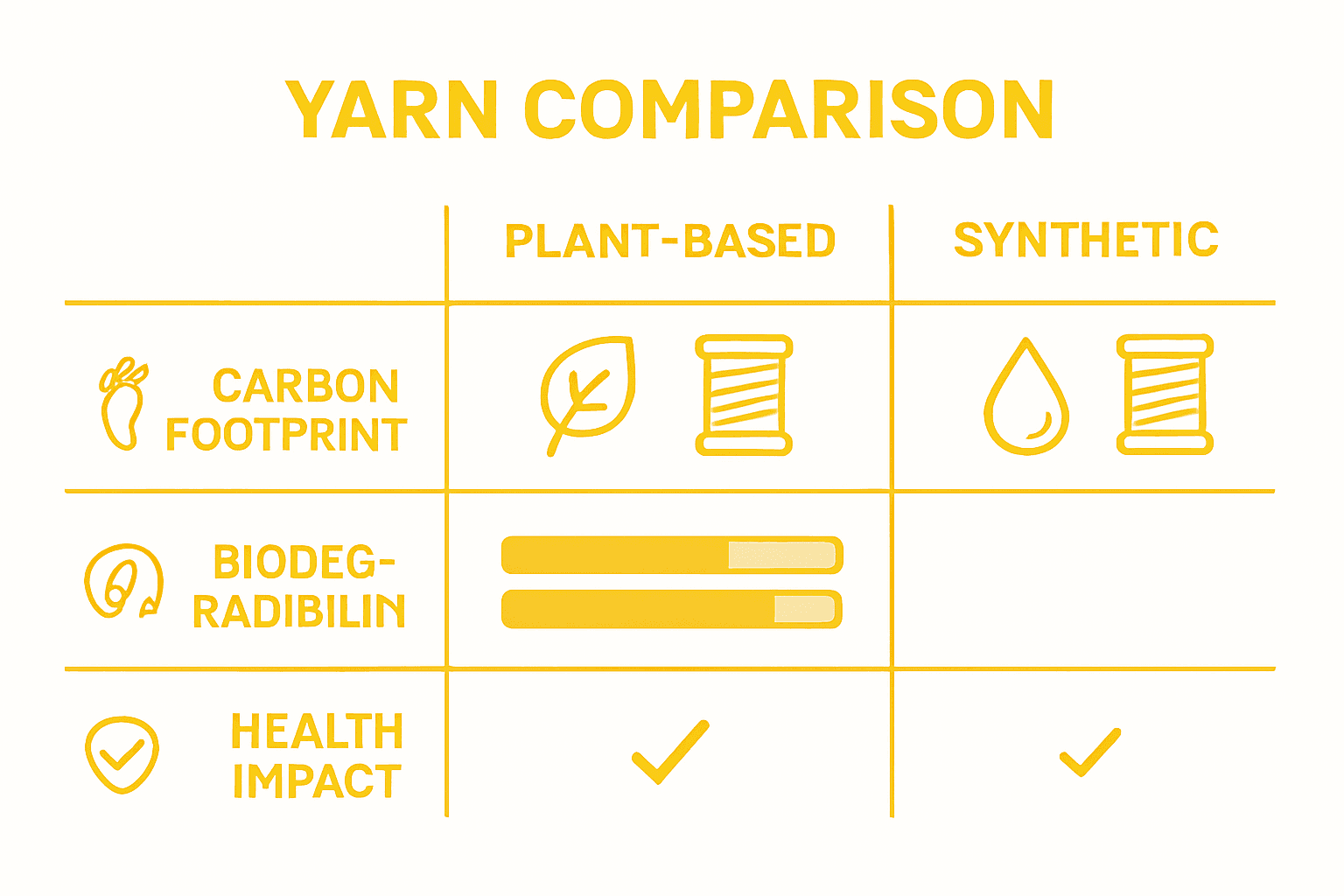
Health benefits of plant-based yarns extend beyond environmental considerations. Natural fibers offer hypoallergenic properties, making them ideal for individuals with sensitive skin or chemical sensitivities. Bamboo and hemp yarns particularly shine with their inherent antimicrobial characteristics, preventing bacterial growth and reducing potential skin irritations. These yarns breathe more effectively than synthetic materials, helping regulate body temperature and providing superior comfort for garments and accessories.
Key Environmental and Health Advantages:
- Renewable resource origins
- Reduced carbon emissions
- Minimal chemical processing
- Biodegradable materials
- Hypoallergenic properties
- Natural temperature regulation
- Antimicrobial characteristics
- Lower water consumption during production
Pro Tip for Eco-Conscious Crafting: Research the specific production methods of your chosen plant-based yarns to ensure you’re selecting the most environmentally responsible and sustainable options available.
Compare the life cycle impact of major yarn types:
| Yarn Source | Renewable | Biodegradable | Common Environmental Concern |
|---|---|---|---|
| Cotton | Yes | Yes | Pesticide usage |
| Linen | Yes | Yes | Intensive harvesting |
| Hemp | Yes | Yes | Land use efficiency |
| Bamboo | Yes | Yes | Chemical processing risks |
| Synthetic | No | No | Microplastic pollution |
Cost, Durability, and Drawbacks Compared to Alternatives
Plant-based yarns present a nuanced landscape of cost, performance, and potential limitations when compared to traditional fiber options. Understanding plied yarn characteristics helps crafters make more informed decisions about material selection and project expectations.
Cost considerations reveal a complex picture for plant-based yarns. While initially more expensive than synthetic alternatives, these natural fibers often provide superior long-term value. Hemp and linen yarns demonstrate exceptional durability, potentially outlasting cheaper synthetic materials. Cotton yarns offer a middle ground, providing reasonable pricing with good performance characteristics. Bamboo yarns tend to be slightly more expensive but deliver unique properties like extraordinary softness and natural antimicrobial qualities that can justify their higher price point.
Durability varies significantly among plant-based yarns, challenging common misconceptions about their structural integrity. Hemp yarns stand out with remarkable strength and resistance to wear, making them ideal for high-stress projects like bags and outdoor accessories. Cotton yarns offer moderate durability with excellent washability, while bamboo yarns provide exceptional drape but may require more delicate handling. Potential drawbacks include increased susceptibility to moisture absorption, potential shrinkage, and more complex care instructions compared to synthetic fibers.
Comparative Fiber Characteristics:
- Hemp Yarn: Maximum durability, higher cost
- Cotton Yarn: Moderate durability, affordable
- Bamboo Yarn: Soft texture, delicate handling
- Linen Yarn: Excellent strength, textured appearance
Pro Tip for Yarn Investment: Always purchase a small quantity first to test the yarn’s performance and compatibility with your specific crafting technique before committing to larger project quantities.
Elevate Your Creations with Sustainable Plant-Based Yarns
Discover the difference that eco-friendly plant-based yarns can make for your crafting projects. If you are searching for yarn that offers durability, unique textures, and environmental benefits then explore our exclusive Yarn collection at CRAFTISS. Our carefully curated plant-based options like cotton, hemp, and bamboo yarns empower you to create beautiful, sustainable pieces while honoring your values.
.png)
Ready to transform your next project with yarns that combine softness, strength, and planet-friendly qualities? Visit CRAFTISS now and discover tools and inspiration to help you craft with purpose. Don’t forget to check out our Yarn Bags for stylish and practical storage solutions designed specifically for your sustainable yarn stash. Join the community of crafters choosing quality and conscience today.
Frequently Asked Questions
What are plant-based yarns made from?
Plant-based yarns are made from natural fibers derived from botanical sources such as cotton, bamboo, hemp, and linen.
What are the benefits of using plant-based yarns in crafting?
Plant-based yarns offer several benefits, including environmental sustainability, hypoallergenic properties, excellent moisture-wicking abilities, and diverse textures that enhance the quality of crafting projects.
How do plant-based yarns compare to synthetic yarns in terms of durability?
Plant-based yarns, especially hemp and linen, are often more durable than synthetic yarns. They can withstand wear and tear, making them suitable for high-stress projects like bags and outdoor accessories.
What factors should I consider when choosing plant-based yarn for my project?
Consider the fiber content, desired drape, durability, washing instructions, and the environmental impact of the yarn when selecting plant-based yarn for your crafting projects.
