


Why Choose Recycled Yarn for Crochet Projects
Choosing the right yarn can feel like a challenge when you care deeply about the planet. Each skein contributes to your project and leaves an impact, so finding mindful options matters to many American crafters. This guide highlights what makes yarn truly recycled and sustainable, unpacking certification standards and fiber sources to help you discover materials that fit both your creative vision and your values.
Table of Contents
- What Makes Yarn Recycled And Sustainable
- Types And Sources Of Recycled Yarn
- Environmental Impact Compared To Virgin Fiber
- Benefits For Creative, Eco-Friendly Crafters
- Common Challenges And Smart Buying Tips
Key Takeaways
| Point | Details |
|---|---|
| Recycled Yarn Methods | Mechanical and chemical recycling are the two main methods for producing recycled yarn, each with distinct processes and environmental impacts. |
| Sustainability Standards | Recycled yarn must adhere to certification standards to ensure authenticity, traceability, and low environmental impact. |
| Environmental Benefits | Recycled yarn significantly reduces carbon emissions, energy consumption, and water usage compared to virgin fibers. |
| Creative Potential | Using recycled yarn allows crafters to engage in sustainable practices, offering unique textures while supporting eco-friendly production. |
What Makes Yarn Recycled and Sustainable
Recycled yarn represents an innovative approach to textile production that transforms existing materials into new, usable fibers while significantly reducing environmental waste. Sustainability in yarn production involves complex processes that convert discarded textiles or manufacturing remnants into fresh, high-quality yarn suitable for crafting projects.
The recycling process typically involves two primary methods of fiber recovery:
- Mechanical Recycling: Garments and textile waste are mechanically shredded, sorted, and respun into new yarn without using additional chemical treatments
- Chemical Recycling: Fibers are broken down at a molecular level and reconstructed into new textile materials, allowing for more precise fiber quality control
According to third-party certification standards, truly sustainable recycled yarn must meet specific traceability and environmental criteria. These standards ensure that recycled materials genuinely reduce waste and maintain high production integrity.
Here’s a concise comparison of mechanical and chemical recycling methods used for recycled yarn:
| Method | Process Overview | Typical Fiber Quality | Environmental Impact |
|---|---|---|---|
| Mechanical Recycling | Shreds and re-spins fibers without chemicals | Moderate to high, varies | Lower energy, no chemical use |
| Chemical Recycling | Dissolves fibers, reconstructs at molecular level | Consistent and high quality | Potential chemical waste |
Wool recycling, for instance, offers remarkable sustainability benefits. Closed-loop recycling systems can transform production waste and used garments into fresh yarn, dramatically extending the lifecycle of textile materials and minimizing landfill contributions.
The key characteristics that define recycled yarn include:
- Verified post-consumer or pre-consumer material sources
- Minimal additional processing compared to virgin fiber production
- Reduced carbon and water consumption during manufacturing
- Traceable origin from initial material collection to final yarn product
Pro Tip: When selecting recycled yarn, always look for certification labels like Global Recycled Standard (GRS) to ensure authentic sustainable sourcing.
Recommended supplies for your project


Types and Sources of Recycled Yarn
Recycled yarn emerges from two primary sources: post-consumer and pre-consumer textile waste, offering crafters an environmentally responsible alternative to traditional fiber production. Sustainability in yarn creation involves transforming discarded materials into high-quality fibers that maintain exceptional crafting performance.
Global recycling standards classify recycled yarn materials into several key categories:
- Polyester Yarn: Derived from recycled plastic bottles
- Nylon Yarn: Recovered from discarded fishing nets and industrial waste
- Cotton Yarn: Generated from textile manufacturing remnants and used clothing
- Wool Yarn: Transformed from post-consumer garments and production scraps
The recycling process involves sophisticated mechanical and chemical techniques that carefully deconstruct and reconstruct textile fibers. Wool recycling systems demonstrate remarkable innovation, with some regions like Prato, Italy, becoming global leaders in transforming discarded textiles into premium recycled yarns.
Industry certifications play a crucial role in verifying the authenticity and sustainability of recycled yarns. These standards ensure that recycled materials genuinely reduce environmental impact and meet rigorous quality benchmarks, providing crafters with transparent and reliable sourcing information.
This overview highlights major recycled yarn types, their sources, and crafting applications:
| Yarn Type | Main Source | Common Uses |
|---|---|---|
| Polyester | Recycled plastic bottles | Garments, accessories |
| Nylon | Discarded fishing nets | Sportswear, socks |
| Cotton | Textile manufacturing scrap | Knitting, weaving |
| Wool | Post-consumer garments | Crochet, felting projects |
Pro Tip: Always check certification labels like Global Recycled Standard (GRS) to confirm the genuine sustainability of your chosen recycled yarn.
Environmental Impact Compared to Virgin Fiber
Recycled yarn represents a transformative solution in reducing the textile industry’s environmental footprint, offering significant advantages over traditional virgin fiber production. Textile recycling innovations demonstrate remarkable potential for decreasing resource consumption and waste generation.
The environmental benefits of recycled yarn are substantial and measurable:
- Carbon Emissions: Recycled polyester produces 45-70% less carbon dioxide compared to virgin polyester
- Energy Consumption: Requires approximately 60% less energy in production
- Water Usage: Significantly reduced water requirements during manufacturing
- Waste Diversion: Prevents textile materials from ending up in landfills
Sustainable fiber analysis reveals that while recycled fibers are not completely impact-free, they represent a crucial step toward more responsible textile production. Synthetic recycled fibers like polyester and nylon offer particularly impressive environmental advantages, dramatically reducing reliance on fossil fuel-based virgin materials.
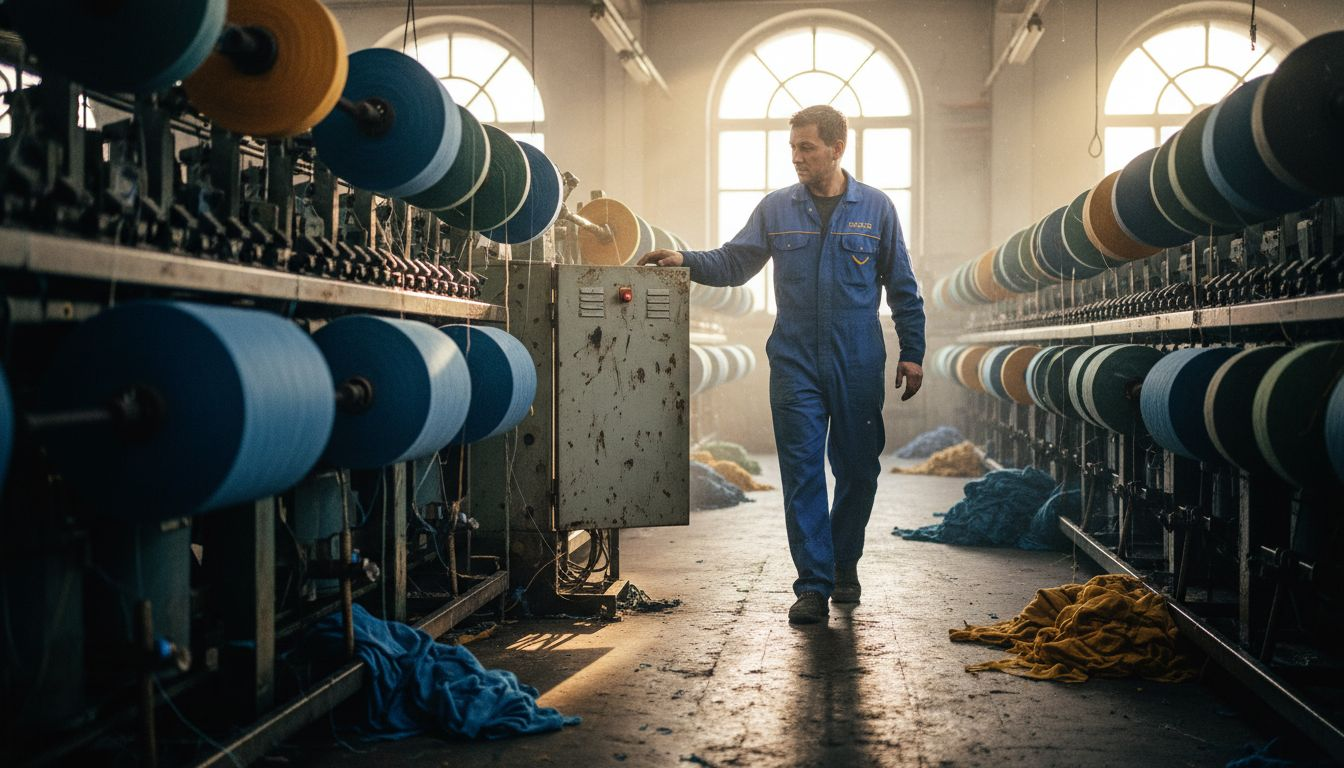
However, challenges remain in scaling recycling technologies. Current limitations include microfiber release during processing and incomplete biodegradability, especially for synthetic materials. Ongoing research focuses on developing more advanced recycling techniques that can further minimize these environmental constraints.
Pro Tip: Always research the specific recycling process of your chosen yarn to understand its complete environmental profile.
Benefits for Creative, Eco-Friendly Crafters
Recycled yarn empowers crafters to transform their creative passion into a meaningful environmental statement. Creative sustainability practices enable crafters to design beautiful projects while actively contributing to waste reduction and resource conservation.
Key benefits for eco-conscious crafters include:
- Waste Reduction: Prevents textile materials from ending up in landfills
- Cost Effectiveness: Often more affordable than virgin fiber yarns
- Unique Texture: Offers distinctive color variations and character
- Creative Versatility: Suitable for multiple project types and skill levels
Recycled wool crafting demonstrates remarkable potential for innovative and environmentally responsible textile creation. Crafters can explore diverse project possibilities while knowing their artistic choices directly support sustainable manufacturing practices.
Beyond environmental impact, recycled yarn provides crafters with an opportunity to make a tangible difference. By selecting materials that minimize ecological footprints, artisans can create meaningful connections between their creative expression and global sustainability efforts.
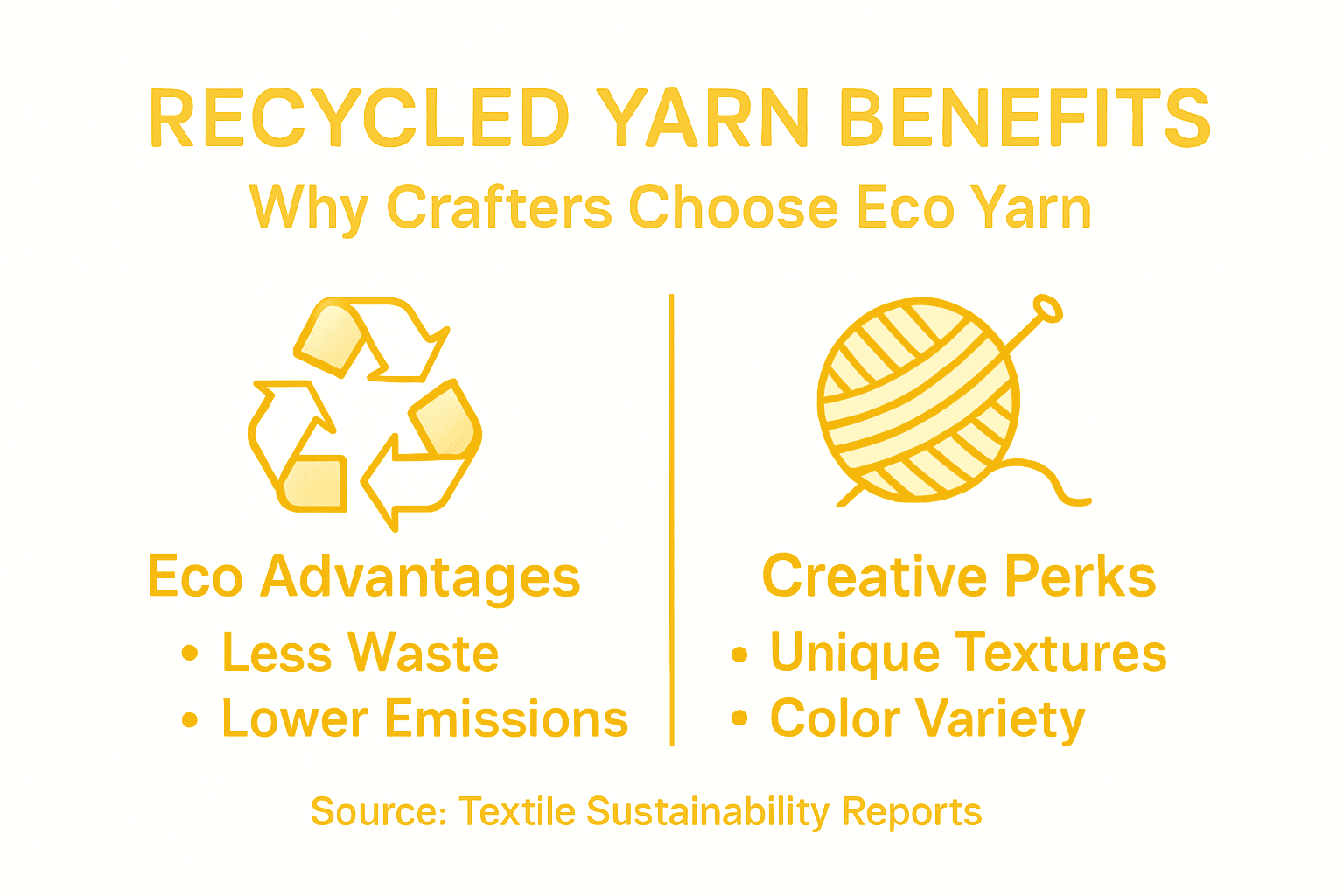
Pro Tip: Experiment with different recycled yarn types to discover unique textures and support circular economy initiatives.
Common Challenges and Smart Buying Tips
Navigating the world of recycled yarn requires understanding potential challenges and developing strategic purchasing skills. Recycled yarn certifications play a crucial role in ensuring quality and authenticity for environmentally conscious crafters.
Key challenges when purchasing recycled yarn include:
- Fiber Inconsistency: Variations in texture and color compared to virgin yarns
- Quality Variability: Potential differences in durability and performance
- Limited Color Options: Fewer color selections than traditional yarn lines
- Potential Impurities: Risk of non-textile materials in recycled fibers
Sourcing recycled wool requires careful consideration of manufacturing protocols and certification standards. Crafters should prioritize suppliers who demonstrate transparent recycling processes and maintain rigorous quality control.
Smart buying strategies can help mitigate these challenges and ensure a successful crafting experience. Look for third-party certifications like the Global Recycled Standard (GRS), which validates the recycled content and environmental practices of yarn manufacturers. Understanding the specific recycling method - whether closed loop or open loop - can also help you select yarns that best match your project requirements.
Pro Tip: Always request a sample swatch before purchasing large quantities of recycled yarn to assess texture, color, and performance.
Elevate Your Crochet Projects with Sustainable Recycled Yarn
Choosing recycled yarn for your crochet creations is a powerful way to address the environmental challenges highlighted in the article. You want yarn that reduces waste, offers unique textures, and supports authentic sustainability verified by certifications like Global Recycled Standard. At CRAFTISS, we understand these goals and offer a curated selection of recycled yarn that empowers eco-conscious crafters to create with confidence.
.png)
Explore our Yarn collection packed with thoughtfully sourced recycled fibers designed for durability and creative freedom. Pair your yarn with our Yarn Bags to keep your projects organized and stylish while minimizing environmental impact. Dive deeper into sustainable crafting and join a community passionate about mindful creativity by visiting CRAFTISS today. Make the change now and give your crochet projects a meaningful purpose.
Frequently Asked Questions
What is recycled yarn and how is it made?
Recycled yarn is made from existing textile materials, transforming post-consumer or pre-consumer waste into new fibers. The two main methods for producing recycled yarn are mechanical recycling, which shreds and spins fibers, and chemical recycling, which breaks down fibers at the molecular level.
What are the environmental benefits of using recycled yarn for crochet projects?
Using recycled yarn significantly reduces carbon emissions, energy consumption, and water usage compared to virgin fiber production. It also helps prevent textile waste from ending up in landfills, making it a more sustainable option for crafters.
How does the quality of recycled yarn compare to virgin yarn?
Recycled yarn can offer moderate to high quality, though it may exhibit some variations in texture and color compared to virgin yarn. Chemical recycling often provides more consistent fiber quality due to precise fiber control.
What should I look for to ensure the recycled yarn I choose is truly sustainable?
Look for certification labels such as the Global Recycled Standard (GRS) to verify the environmental integrity and recycled content of the yarn. It’s also important to understand the specific recycling methods used, as they can affect both the yarn’s quality and environmental profile.
