


Why Try Sustainable Yarns for Eco Crafting
Over half of American crafters now seek ways to reduce their environmental footprint with every project. Choosing sustainable yarn is no longer just a trend but a meaningful step for those passionate about both creativity and the planet’s health. Sorting fact from fiction about eco-friendly yarns helps American knitters and crocheters make choices that support high-quality results and lasting change.
Table of Contents
- Defining Sustainable Yarns And Common Myths
- Popular Types Of Eco-Friendly Yarn
- Certifications And Sourcing For Ethical Yarn
- Comparing Quality, Cost, And Crafting Experience
- Mistakes To Avoid When Buying Sustainable Yarn
Key Takeaways
| Point | Details |
|---|---|
| Sustainable Yarns Are High-Quality | Modern sustainable yarns utilize advanced technologies to provide performance that rivals or exceeds conventional options. |
| Research Certifications | Crafters should seek verified environmental certifications to ensure true sustainability in their yarn choices. |
| Beware of Greenwashing | Avoid misleading marketing by demanding transparency in environmental claims and production methods from manufacturers. |
| Consider Total Lifecycle | Examine the entire production lifecycle of yarn to identify the true environmental impact of your choices. |
Defining Sustainable Yarns and Common Myths
Sustainable yarns represent a transformative approach to textile production, focusing on minimizing environmental impact while maintaining crafting quality. These yarns are produced through processes that reduce waste, conserve natural resources, and prioritize ethical manufacturing practices. Research examining sustainable textile strategies reveals that sustainable yarns typically involve recycled fibers, responsible sourcing, and innovative production techniques.
Contrary to popular misconceptions, sustainable yarns are not synonymous with compromised performance. Many crafters incorrectly assume eco-friendly options mean inferior texture, durability, or aesthetic appeal. However, modern sustainable yarn production incorporates advanced technologies that ensure comparable - and sometimes superior - quality to conventional yarns. Advanced blending techniques allow manufacturers to create yarns that maintain excellent structural integrity while reducing environmental footprint.
The landscape of sustainable yarn production encompasses several key approaches. These include:
- Recycling post-consumer textile waste
- Utilizing renewable plant-based fibers
- Implementing low-water manufacturing processes
- Reducing chemical treatments during production
- Supporting fair labor practices throughout the supply chain
Pro tip: When selecting sustainable yarns, look beyond marketing claims and research the specific environmental certifications and production methods of each yarn brand.
Recommended supplies for your project


Popular Types of Eco-Friendly Yarn
Eco-friendly yarn production has expanded dramatically, offering crafters a diverse range of sustainable fiber options that minimize environmental impact. Comprehensive research examining sustainable yarn types reveals multiple innovative alternatives to traditional textile production methods. The most prominent eco-friendly yarn categories include plant-based, recycled, and regenerative fibers that prioritize both environmental responsibility and crafting performance.
Among the most popular sustainable yarn types, organic cotton stands out as a remarkable option. Unlike conventional cotton production, organic cotton yarns are cultivated without synthetic pesticides or fertilizers, significantly reducing water consumption and environmental contamination. Hemp yarns represent another exceptional sustainable choice, requiring minimal water and no pesticides during cultivation. These fibers offer remarkable durability and natural resistance to bacterial growth, making them ideal for crafters seeking high-performance ecological textiles.
Additional sustainable yarn types include:
- Bamboo yarns: Rapidly renewable resource with natural antibacterial properties
- Recycled polyester yarns: Created from post-consumer plastic bottles
- Linen yarns: Derived from flax plants with minimal environmental processing
- Tencel/Lyocell yarns: Produced through environmentally responsible wood pulp processing
- Recycled wool yarns: Repurposing existing textile fibers to reduce waste
Pro tip: When selecting eco-friendly yarns, examine the entire production lifecycle and prioritize brands that provide transparent environmental certifications and sustainable manufacturing practices.
Here’s how popular eco-friendly yarn types compare on key attributes:
| Yarn Type | Environmental Benefit | Typical Texture | Unique Advantage |
|---|---|---|---|
| Organic Cotton | Reduced water, no pesticides | Soft and smooth | Hypoallergenic |
| Hemp | Minimal water, no chemicals | Slightly coarse, strong | Naturally antibacterial |
| Bamboo | Rapidly renewable, low toxins | Silky, cool to touch | Biodegradable fibers |
| Recycled Polyester | Diverts plastic from landfills | Durable, slightly elastic | High colorfastness |
| Linen | Low-input cultivation | Crisp, strong | Excellent breathability |
| Tencel/Lyocell | Sustainable wood pulp sources | Soft and drapey | Exceptional moisture control |
| Recycled Wool | Reduces textile waste | Warm, lofty | Preserves traditional feel |
Certifications and Sourcing for Ethical Yarn
Ethical yarn sourcing has become increasingly sophisticated, with comprehensive initiatives designed to ensure transparency and responsible production throughout the textile supply chain. The YESS industry standards for ethical yarn sourcing represent a critical advancement in establishing rigorous compliance frameworks that protect workers and promote sustainable manufacturing practices. These standards go beyond traditional certifications by creating holistic accountability mechanisms that address labor rights, environmental impact, and social responsibility.
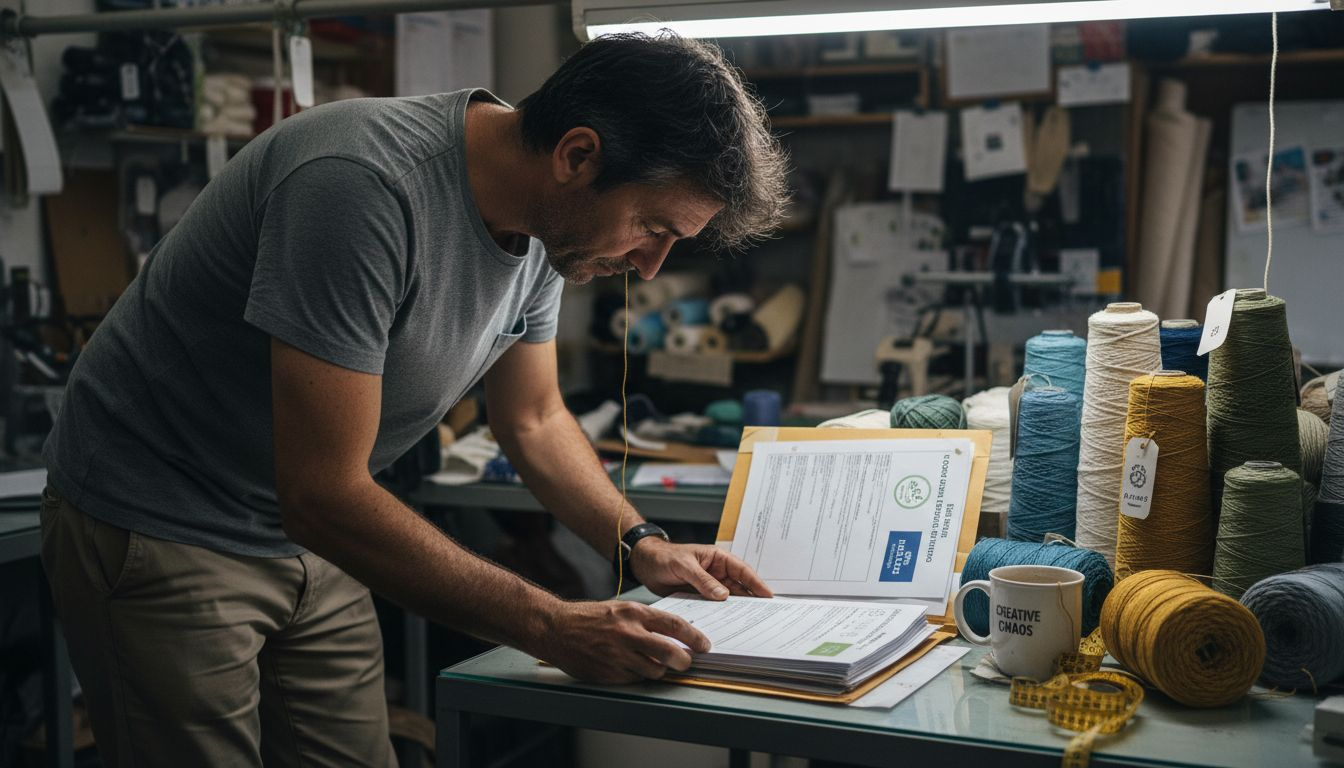
Certification standards play a crucial role in verifying the authenticity and integrity of sustainable yarn production. Key certifications crafters should recognize include Global Organic Textile Standard (GOTS), OEKO-TEX, Fairtrade, and Responsible Wool Standard (RWS). Each certification focuses on different aspects of sustainability, from organic farming practices to ensuring fair worker compensation and minimizing environmental degradation. These credentials help consumers make informed decisions by providing transparent documentation of a yarn’s entire production journey.
The most comprehensive ethical yarn certifications typically evaluate multiple dimensions:
- Worker safety and fair labor practices
- Environmental impact and resource conservation
- Chemical and toxin usage restrictions
- Animal welfare standards (for animal-based fibers)
- Traceability of raw material origins
- Compliance with international labor regulations
Pro tip: Request detailed certification documentation from yarn suppliers and learn to recognize legitimate sustainability credentials to make truly informed purchasing decisions.
Below is a summary of common sustainable yarn certifications and what they mean for crafters:
| Certification | Main Focus | What It Verifies |
|---|---|---|
| GOTS | Organic, chemical limits | Organic fiber content and safety |
| OEKO-TEX | Chemical safety | No harmful substances present |
| Fairtrade | Social justice | Fair wages and labor rights |
| RWS | Animal welfare | Ethical sheep and wool sourcing |
| YESS | Supply chain responsibility | Holistic worker/environmental standards |
Comparing Quality, Cost, and Crafting Experience
Sustainable yarns have evolved significantly, challenging traditional assumptions about performance and value. Research investigating sustainable yarn production technologies reveals compelling insights into how recycled and eco-friendly fibers compare to conventional options. Contrary to outdated perceptions, modern sustainable yarns now offer comparable - and sometimes superior - quality across mechanical properties, durability, and crafting versatility.
Mechanical performance represents a critical consideration for crafters evaluating sustainable yarn options. Advanced manufacturing techniques have dramatically improved the structural integrity of eco-friendly yarns, addressing historical concerns about strength and consistency. Recycled polyester, organic cotton, and innovative blended fibers now demonstrate remarkable tensile strength, resilience, and texture that rival traditional yarn production methods. These improvements mean crafters no longer need to compromise between environmental responsibility and project quality.
The cost dynamics of sustainable yarns have also transformed dramatically:
- Higher initial production costs are gradually decreasing
- Bulk manufacturing is improving cost efficiency
- Consumer demand is driving more competitive pricing
- Long term environmental savings offset higher upfront expenses
- Technological innovations are reducing manufacturing complexity
Pro tip: Compare multiple sustainable yarn sources and request sample swatches to personally evaluate texture, strength, and crafting performance before committing to large project quantities.
Mistakes to Avoid When Buying Sustainable Yarn
Navigating the sustainable yarn marketplace requires careful consideration and informed decision-making. Comprehensive guidance on selecting eco-friendly yarn materials reveals critical pitfalls that can undermine even the most well-intentioned purchasing decisions. Many crafters unknowingly make mistakes that compromise both their project outcomes and environmental goals.
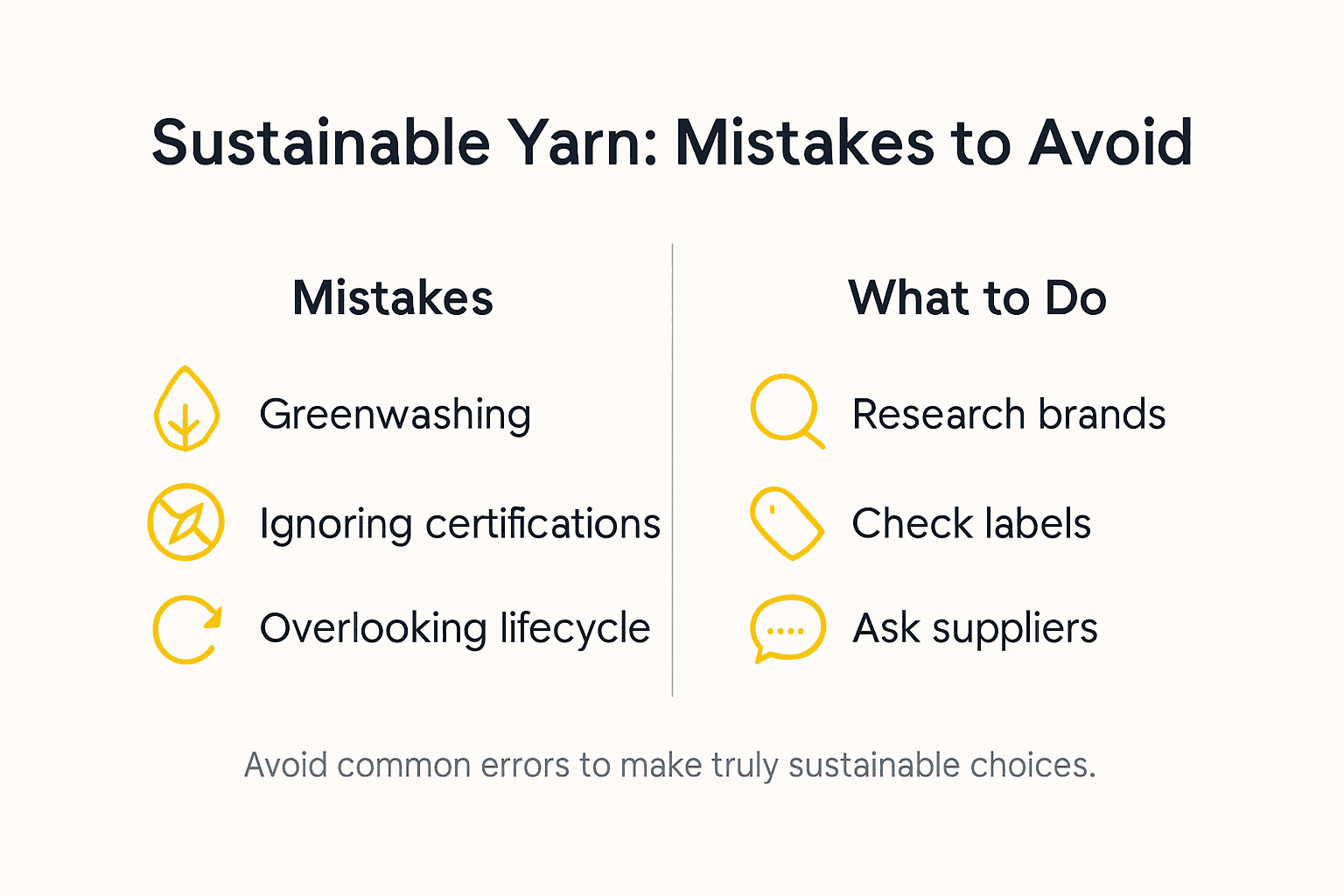
Greenwashing represents one of the most significant challenges in sustainable yarn selection. Manufacturers often use misleading marketing language that suggests environmental credentials without substantive evidence. Crafters must look beyond surface level claims and demand transparent documentation about a yarn’s actual environmental impact. This means scrutinizing specific details like water usage, carbon footprint, manufacturing processes, and verifiable certifications rather than accepting vague ecological promises.
Common mistakes crafters frequently encounter include:
- Prioritizing price over genuine sustainability credentials
- Failing to verify third-party environmental certifications
- Overlooking the entire lifecycle of yarn production
- Assuming all plant-based or recycled yarns are automatically eco-friendly
- Neglecting to research the manufacturer’s overall environmental practices
- Misunderstanding the difference between recyclable and actually recycled materials
Pro tip: Request detailed documentation about a yarn’s environmental certification and manufacturing process before making a purchase, and don’t hesitate to ask manufacturers direct questions about their sustainability practices.
Embrace Sustainable Yarns for a Greener Crafting Future
Choosing sustainable yarns can feel overwhelming with concerns about quality, transparency, and true environmental impact. This article highlights the challenge of navigating greenwashing and the importance of authentic certifications to make eco-friendly crafting choices that don’t sacrifice durability or aesthetic appeal. If you want to create beautiful projects with yarns that align with your values, understanding the specific environmental practices behind your materials is key.
Discover a curated selection of eco-conscious fibers in our Yarn collection designed for mindful crafters like you who want to combine creativity with responsibility.
.png)
Take the first step toward transforming your crafting experience into one that supports fair labor, reduces environmental impact, and delivers high-quality texture and durability every time. Explore our sustainably sourced yarn options at CRAFTISS and join a community dedicated to eco crafting excellence. Ready to craft with purpose today? Visit CRAFTISS Yarn and find the perfect yarn to bring your sustainable projects to life.
Frequently Asked Questions
What are sustainable yarns?
Sustainable yarns are textiles produced with a focus on reducing environmental impact. They often use recycled fibers, renewable plant-based materials, and ethical manufacturing processes to minimize waste and conserve resources.
How do sustainable yarns compare to conventional yarns in terms of quality?
Modern sustainable yarns offer comparable, and sometimes superior, quality to conventional yarns. Advanced manufacturing techniques ensure strong mechanical properties, durability, and a pleasant texture without compromising environmental responsibility.
What types of eco-friendly yarns are available for crafting?
Popular eco-friendly yarns include organic cotton, hemp, bamboo, recycled polyester, linen, Tencel, and recycled wool, each with unique attributes like durability, breathability, and reduced environmental impact.
How can I verify the sustainability claims of a yarn brand?
To verify sustainability, look for third-party certifications like GOTS, OEKO-TEX, Fairtrade, and the Responsible Wool Standard. These certifications provide evidence of ethical sourcing, environmental practices, and compliance with labor standards.
Recommended
- Why Plant-Based Yarns Matter for Crafters – CRAFTISS
- Understanding Why Select Luxury Yarn for Your Crafts – CRAFTISS
- 7 Essential Types of Yarn Every Crochet and Knitting Crafter Needs – CRAFTISS
- Understanding the Role of Yarn Donations in Crafting – CRAFTISS
- Eco Clothing Explained: Sustainable Fashion Essentials – Be Juliet
