


Role of Innovation in Yarn: Empowering Crochet Today
Selecting the right yarn can turn an inspired crochet pattern into a true work of art or a frustrating challenge. As crochet enthusiasts across the United States search for materials that balance quality, performance, and environmental impact, the meaning of yarn innovation has evolved far beyond simply choosing between wool or cotton. This article uncovers how advanced materials and new manufacturing techniques are redefining what is possible for creative crafters who want beautiful, durable, and sustainable results.
Table of Contents
- What Innovation In Yarn Really Means
- Modern Yarn Types And Their Benefits
- How Innovative Fibers Transform Crochet
- Sustainability And Eco-Friendly Yarn Solutions
- Common Challenges And What To Avoid
Key Takeaways
| Point | Details |
|---|---|
| Yarn Innovation | Involves material enhancement, sustainability integration, functional design, and technological adaptation to empower creativity in crafting. |
| Modern Yarn Types | Categorized into performance, sustainable, smart, and hybrid yarns, each designed to meet specific functional needs in textile creation. |
| Sustainability in Yarn | Emphasizes eco-friendly solutions like recycled and biodegradable yarns, balancing performance with environmental responsibility. |
| Common Challenges | Crafters should avoid material inconsistencies and overambitious innovations while balancing cost and quality when selecting yarn. |
What Innovation in Yarn Really Means
Innovation in yarn is far more complex than simply creating a new thread. It represents a sophisticated intersection of materials science, technological advancement, and creative design that transforms how crafters approach their projects. Yarn innovation goes beyond traditional manufacturing, focusing on developing materials that solve real challenges for creators.
At its core, yarn innovation involves several critical dimensions:
- Material Enhancement: Developing yarns with superior performance characteristics
- Sustainability Integration: Creating eco-friendly yarn alternatives
- Functional Design: Engineering yarns that adapt to specific crafting needs
- Technological Adaptation: Incorporating advanced manufacturing techniques
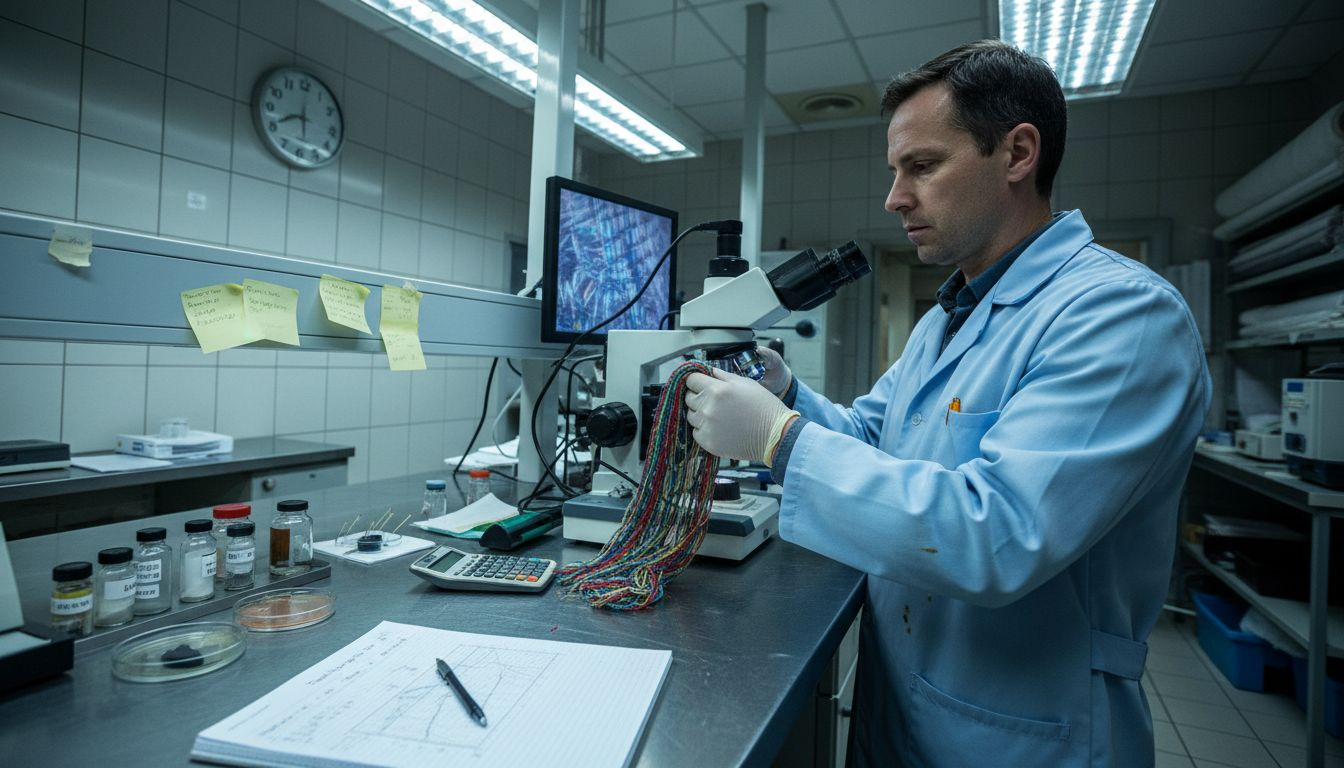
Recent academic research on yarn technology highlights how cutting-edge innovations are transforming production processes. These advancements aren’t just technical achievements - they represent a fundamental reimagining of what yarn can be for modern crafters.
The most compelling yarn innovations address multiple needs simultaneously. For instance, some contemporary yarns now integrate moisture-wicking properties, temperature regulation, and enhanced durability. This multifunctional approach demonstrates how innovation transcends simple material creation, instead focusing on solving practical crafting challenges.
Innovation in yarn is about creating materials that empower creativity, not just manufacturing threads.
Understanding yarn innovation requires recognizing its multidisciplinary nature. Innovative yarn design now synthesizes aesthetic considerations with functional requirements, bridging technology and artistic expression.
Pro tip: When exploring innovative yarns, prioritize materials that solve specific crafting challenges rather than just seeking novelty.
Recommended supplies for your project


Modern Yarn Types and Their Benefits
The world of yarn has dramatically evolved, moving far beyond traditional wool and cotton. Modern yarn types represent a sophisticated fusion of technology, performance, and creative potential that empowers crafters to achieve unprecedented results. Engineered yarns now offer capabilities that transform how we approach textile creation.
Contemporary yarn types can be broadly categorized into several innovative groups:
- Performance Yarns: Designed with specific functional characteristics
- Sustainable Yarns: Environmentally conscious fiber alternatives
- Smart Yarns: Incorporating technological capabilities
- Hybrid Yarns: Blending multiple material properties
Advanced textile engineering courses reveal how modern yarns are engineered to deliver exceptional performance. These materials now offer remarkable benefits like enhanced mechanical strength, superior moisture management, and targeted sustainability features.
Some cutting-edge yarn innovations push technological boundaries in extraordinary ways. Researchers have developed carbon nanotube yarns that can convert mechanical energy into electricity - a breakthrough that demonstrates how yarn is no longer just about fabric, but about creating intelligent, responsive materials.
Modern yarn types are not just threads, but sophisticated engineering solutions designed to solve complex textile challenges.
The diversity of contemporary yarns reflects an exciting intersection between materials science, technological innovation, and creative craftsmanship. From moisture-wicking synthetic blends to biodegradable plant-based fibers, each yarn type offers unique advantages tailored to specific project requirements.
Here’s a summary comparison of key modern yarn types and their unique benefits:
| Yarn Type | Main Advantage | Typical Application |
|---|---|---|
| Performance Yarns | Superior functionality | Athletic wear, accessories |
| Sustainable Yarns | Lower environmental impact | Eco-conscious projects |
| Smart Yarns | Built-in technology | Wearables, smart textiles |
| Hybrid Yarns | Multiple combined traits | Advanced crafting designs |
Pro tip: When selecting yarn, prioritize performance characteristics that align with your specific project needs rather than choosing solely based on appearance.
How Innovative Fibers Transform Crochet
Crochet has undergone a remarkable transformation, driven by groundbreaking advancements in fiber technology that extend far beyond traditional material limitations. Innovative fibers are revolutionizing the craft, enabling crocheters to create projects with unprecedented functionality, durability, and creative potential.
The most exciting developments in fiber innovation include:
- Smart Fibers: Integrating technological capabilities
- Performance Fibers: Enhancing durability and functionality
- Sustainable Fibers: Reducing environmental impact
- Hybrid Fibers: Combining multiple material properties
Physics research at Georgia Tech reveals how innovative fibers can fundamentally program fabric behavior. These advanced materials allow crafters to create textiles that go beyond traditional decorative purposes, potentially incorporating functions like temperature regulation, moisture management, and even electronic integration.
At the cutting edge of textile innovation, researchers are developing fibers that transform crochet from a purely artistic craft to a medium for advanced material engineering. Imagine creating garments that can change color with temperature, adapt to body movements, or even generate small amounts of electrical power.
Innovative fibers are not just materials - they’re a gateway to reimagining what crochet can accomplish.
The implications of these fiber innovations extend far beyond aesthetic appeal. Crafters can now select yarns that provide specific performance characteristics, whether it’s enhanced stretch, improved thermal properties, or increased durability. This technological leap means crochet is no longer just about creating beautiful objects, but about engineering functional, high-performance textiles.
Pro tip: Experiment with innovative fiber blends that offer multiple performance characteristics to expand your creative possibilities.
Sustainability and Eco-Friendly Yarn Solutions
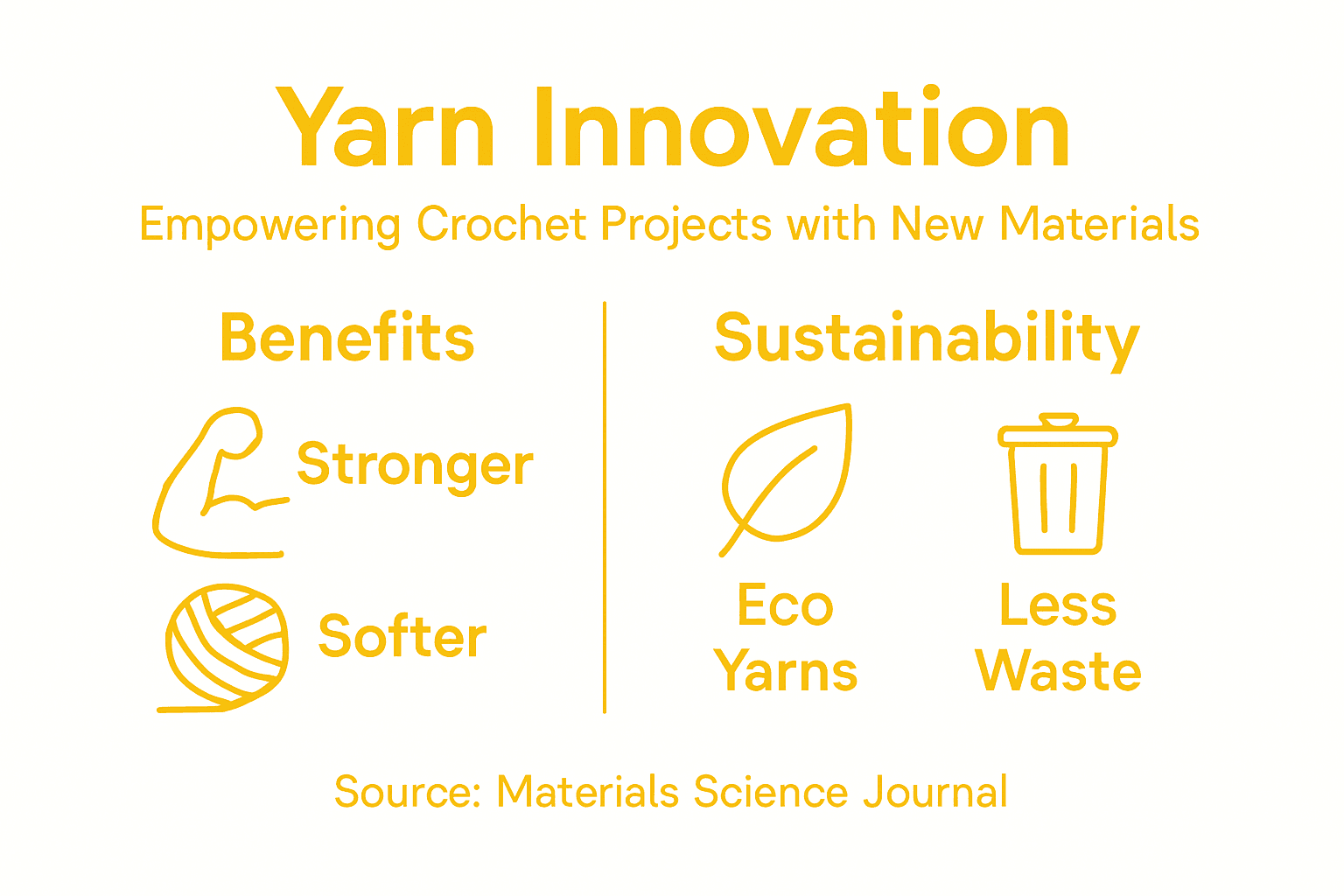
Sustainability has emerged as a critical frontier in yarn production, transforming how crafters approach material selection and environmental responsibility. Eco-friendly yarn solutions represent a sophisticated approach to textile creation that balances performance, creativity, and environmental consciousness.
Key developments in sustainable yarn technologies include:
- Recycled Fiber Yarns: Repurposing post-consumer materials
- Biodegradable Yarns: Minimizing long-term environmental impact
- Low-Water Processing Yarns: Reducing resource consumption
- Organic Natural Fiber Yarns: Supporting responsible agricultural practices
Sustainable dyeing and textile processing research reveals innovative approaches that dramatically reduce water and chemical usage in yarn production. These techniques demonstrate how environmental consciousness can be seamlessly integrated into advanced textile manufacturing processes.
The textile industry is experiencing a paradigm shift towards more sustainable practices. Innovations at ITMA 2023 highlight emerging technologies that integrate circular economy principles, transforming yarn production from a linear to a regenerative model. This approach means considering the entire lifecycle of textile materials, from sourcing to disposal.
Sustainable yarn solutions are not just an environmental choice - they’re a commitment to responsible crafting.
Crafters now have unprecedented opportunities to make environmentally conscious choices. By selecting yarns that minimize ecological impact, creators can contribute to a more sustainable textile ecosystem without compromising on quality or creative potential.
Pro tip: Research the full lifecycle of your yarn, focusing on production methods, material sourcing, and end-of-life recyclability.
Common Challenges and What to Avoid
Navigating the complex world of yarn innovation requires understanding potential pitfalls and strategic challenges that can derail creative projects. Yarn selection is not just about aesthetic appeal, but about comprehending the nuanced technical limitations that can significantly impact crafting outcomes.
Crafters should be particularly cautious of these common challenges:
- Material Inconsistency: Avoiding yarns with unpredictable performance
- Overambitious Innovations: Selecting unproven technological solutions
- Cost-Quality Tradeoffs: Balancing performance with affordability
- Technical Complexity: Understanding material limitations
Recent yarn technology reviews highlight critical challenges in adopting new textile technologies. These insights reveal potential risks like high development costs, scalability issues, and maintaining consistent yarn quality during innovative manufacturing processes.
Fabric mechanics research demonstrates the intricate challenges of yarn elasticity and stitch formation. Understanding these technical nuances helps crafters avoid selecting yarns that might compromise project durability or structural integrity.
Innovative does not always mean better - carefully evaluate each yarn’s specific performance characteristics.
Technical innovations in yarn production often present complex trade-offs between performance, cost, and practicality. Crafters must develop a discerning approach, critically assessing each yarn’s specific attributes rather than being swayed by marketing claims or superficial technological promises.
The table below highlights challenges in yarn innovation and practical strategies to avoid them:
| Challenge | Example Problem | Smart Solution |
|---|---|---|
| Material Inconsistency | Uneven stitches | Test swatches before projects |
| Overambitious Solutions | Unproven tech fails | Research yarn performance first |
| Cost-Quality Tradeoff | High price, low utility | Compare benefits to expenses |
| Technical Complexity | Difficult to handle fibers | Choose based on skill level |
Pro tip: Always conduct small test swatches with new yarn technologies to thoroughly evaluate their real-world performance before committing to larger projects.
Discover Innovation with Premium Yarns for Your Crochet Projects
The article highlights how innovation in yarn impacts durability, functionality, and creativity in crochet. If you face challenges such as selecting high-performance fibers or sustainable options that empower your craft, you are not alone. Embrace yarns designed to solve practical crafting needs while enhancing your artistic expression.
Explore our carefully curated Yarn collection featuring cutting-edge materials that prioritize quality, sustainability, and innovation. Whether you seek multifunctional fibers or eco-friendly alternatives, our selection supports your goal of crafting functional and beautiful projects.
.png)
Ready to elevate your crochet work with yarns that embody the future of craftsmanship Visit CRAFTISS today to find the perfect innovative yarn. Complement your tools with stylish and practical Yarn Bags to keep your supplies organized and accessible. Take action now and turn your creative ideas into reality with materials that truly empower you.
Frequently Asked Questions
What is yarn innovation, and why is it important?
Yarn innovation involves advanced materials science, technology, and design that enhance crafting experiences. It focuses on creating yarns with superior performance, sustainability, and functionality, transforming how creators approach their projects.
What are modern types of yarn, and what benefits do they offer?
Modern yarns include performance yarns, sustainable yarns, smart yarns, and hybrid yarns. Each type provides unique advantages such as enhanced durability, eco-friendliness, built-in technology, and the combination of multiple material properties, catering to various crafting needs.
How do innovative fibers transform the crochet craft?
Innovative fibers enhance crochet by providing materials that facilitate advanced functionalities such as temperature regulation, moisture management, and durability. These advancements allow creators to incorporate both aesthetic and practical elements into their projects, expanding the possibilities of crochet.
What should I consider when choosing sustainable yarns?
When selecting sustainable yarns, consider their environmental impact, including the production methods, material sourcing, and recyclability of the products. Opting for recycled, biodegradable, or organic yarn options can help you contribute to more eco-friendly crafting practices.
