


Trends in Crochet 2025: Styles, Materials, and Innovation
Most advice about crochet misses the mark for the modern American crafter. In fact, over 60 percent of makers now experiment with sustainable fibers, cutting-edge design, and technology. The rapid shift challenges old ideas about what crochet should be and signals a much bigger creative movement. This article highlights the newest trends for 2025, exposes the most common misconceptions, and uncovers how American innovation is shaping the future of crochet.
Table of Contents
- Defining 2025 Crochet Trends And Misconceptions
- Emerging Styles And Popular Crochet Techniques
- Impact Of Sustainable And Innovative Materials
- Color Palettes, Patterns, And Motifs To Watch
- Costs, Common Pitfalls, And Market Insights
Key Takeaways
| Point | Details |
|---|---|
| Emerging Trends | Crochet is evolving with innovative styles that merge vintage aesthetics and contemporary design, focusing on sustainability and personal expression. |
| Advanced Techniques | Techniques like overlay crochet and brioche crochet are gaining popularity, allowing for complex designs and artistic versatility. |
| Sustainable Materials | Crafters are increasingly using recycled and biodegradable materials, reflecting a commitment to ecological responsibility. |
| Market Dynamics | Consumer demand for high-quality, ethically produced products is reshaping the crochet market, requiring artisans to navigate increased production costs and project complexities. |
Defining 2025 Crochet Trends and Misconceptions
The crochet landscape is experiencing a transformative moment, challenging long-held perceptions about the craft’s traditional boundaries. Emerging trends in 2025 demonstrate a radical departure from conventional approaches, introducing innovative styles that blend vintage aesthetics with contemporary design principles.
Contrary to outdated misconceptions, modern crochet is no longer confined to doilies and blankets. Crafters are pushing creative boundaries by incorporating advanced techniques, experimental materials, and cross-disciplinary design approaches. Sustainability, technological integration, and personal expression are now driving forces in the crochet community, transforming it from a nostalgic hobby to a dynamic, forward-thinking art form.
Key trends reshaping the crochet world include ecological yarn production, digital pattern collaboration, and wearable art designs that challenge traditional craft boundaries. Artisans are leveraging technology for pattern sharing, utilizing advanced design software, and exploring biomaterials that reduce environmental impact. The result is a vibrant, evolving craft that speaks to both artistic innovation and social consciousness.
Pro Tip for Trend Adaptation: Stay flexible and open-minded when exploring new crochet techniques. Experiment with unconventional materials and be willing to deconstruct traditional patterns to create your unique style.
Recommended supplies for your project


Emerging Styles and Popular Crochet Techniques
The world of crochet is experiencing a dynamic transformation in 2025, with innovative techniques and styles pushing the boundaries of traditional crafting. Sports-inspired accessories and textured designs using thick needles are becoming increasingly popular, signaling a shift towards more versatile and contemporary crochet aesthetics.
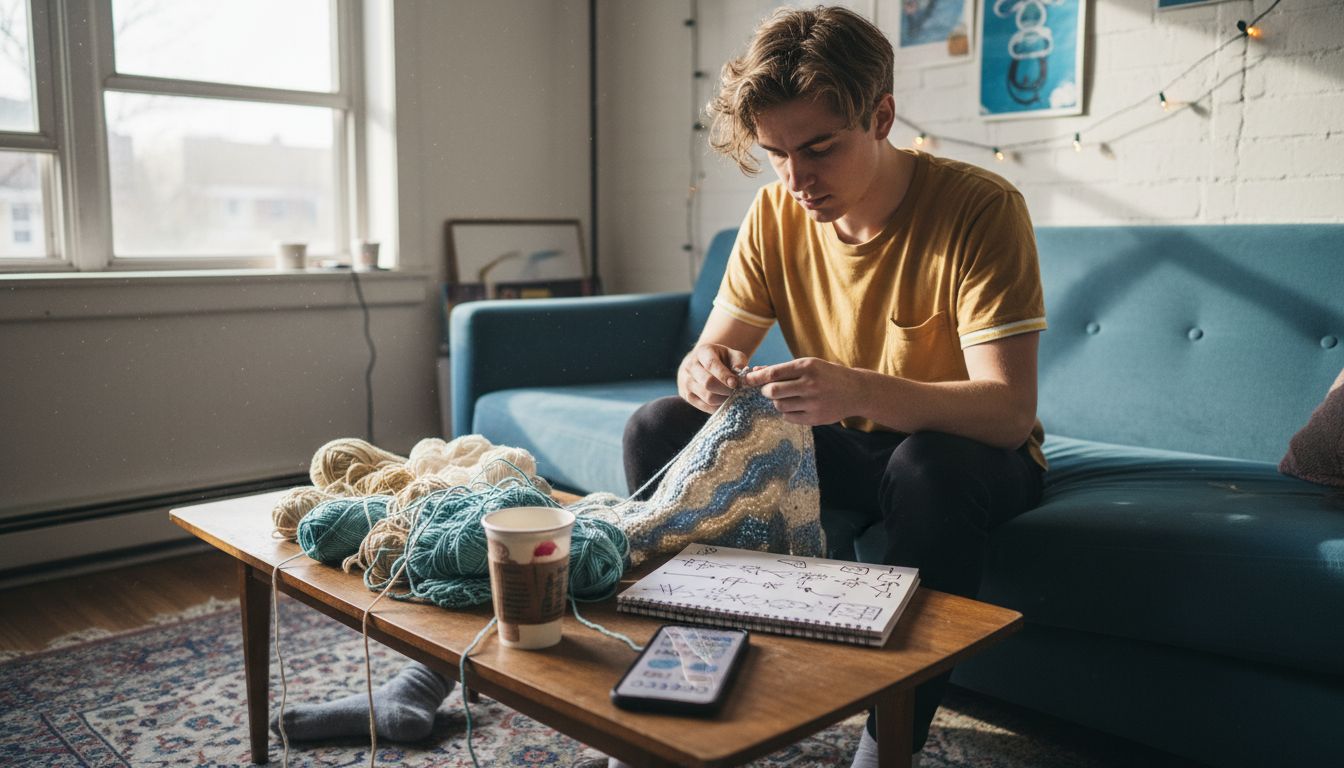
Crafters are experimenting with advanced techniques that blend technical skill with artistic expression. Wave stitches, fluffy patterns, and intricate textural designs are now at the forefront of the crochet movement. These emerging styles go beyond traditional patterns, incorporating elements from fashion, technology, and sustainable design practices. Artisans are exploring three-dimensional structures, asymmetrical shapes, and innovative color blocking techniques that challenge conventional crochet norms.
The popularity of specific techniques reflects broader trends in crafting culture. Lightweight, breathable designs using specialized yarns are gaining traction, particularly in wearable art and functional accessories. Advanced techniques like overlay crochet, brioche crochet, and modular construction are allowing crafters to create more complex and visually striking pieces. These methods demonstrate the incredible versatility and potential of crochet as a dynamic art form that continually reinvents itself.
Pro Tip for Technique Mastery: Practice new crochet techniques in small, manageable projects before attempting complex designs. Start with sample swatches to build confidence and muscle memory with unfamiliar stitch patterns.
Compare popular advanced crochet techniques and their creative potential:
| Technique | Distinctive Feature | Design Applications |
|---|---|---|
| Overlay Crochet | Raised motifs, layers | Textured accessories, decor |
| Brioche Crochet | Reversible, plush effect | Scarves, winter wear |
| Modular Construction | Assembly of multiple shapes | Custom blankets, unique bags |
| Color Blocking | Bold, contrasting segments | Contemporary apparel, hats |
Impact of Sustainable and Innovative Materials
Sustainable materials are revolutionizing the crochet landscape in 2025, with environmentally conscious crafters driving a transformative shift in yarn production and design. The movement goes far beyond traditional fiber choices, incorporating recycled, biodegradable, and ethically sourced materials that reflect a deeper commitment to ecological responsibility.
Innovative material development is pushing the boundaries of traditional yarn crafting. Crafters are now exploring cutting-edge fibers like bamboo blends, hemp-based yarns, and regenerated textile waste materials that offer superior sustainability credentials. These advanced materials not only reduce environmental impact but also provide unique textural qualities that enhance the artistic potential of crochet work. Performance fabrics with enhanced durability, moisture-wicking properties, and reduced carbon footprint are becoming increasingly attractive to environmentally aware artisans.
The intersection of technology and sustainable design is creating unprecedented opportunities in material innovation. Biomimetic fibers inspired by natural structures, yarns developed from agricultural waste, and synthetic materials engineered for minimal environmental impact are transforming how crafters approach their creative process. These developments represent more than just a trend—they signal a fundamental reimagining of textile production that prioritizes ecological consciousness without compromising aesthetic or functional quality.
Pro Tip for Sustainable Material Selection: Research the environmental credentials of your yarn sources, prioritizing brands that provide transparent supply chain information and demonstrate genuine commitment to sustainable production practices.
Here’s a summary of innovative crochet materials shaping the 2025 landscape:
| Material Type | Key Benefits | Example Use Cases |
|---|---|---|
| Bamboo blends | Biodegradable, soft texture | Lightweight tops, shawls |
| Hemp-based yarns | Durable, eco-friendly | Bags, accessories |
| Textile waste fibers | Reduces landfill, unique look | Statement garments |
| Biomimetic fibers | Mimics nature, strong fibers | Wearable art, fine detail |
| Performance fabrics | Moisture-wicking, sustainable | Outdoor gear, baby items |
Color Palettes, Patterns, and Motifs to Watch
Pantone’s Color of the Year, Mocha Mousse, is driving a transformative approach to color selection in the crochet world for 2025. This warm, grounding tone represents a shift towards more nuanced and emotionally resonant color palettes that reflect a desire for comfort, stability, and organic connection in textile design. The emphasis on soft, earthy hues signals a broader trend of creating textiles that feel both contemporary and deeply soothing.
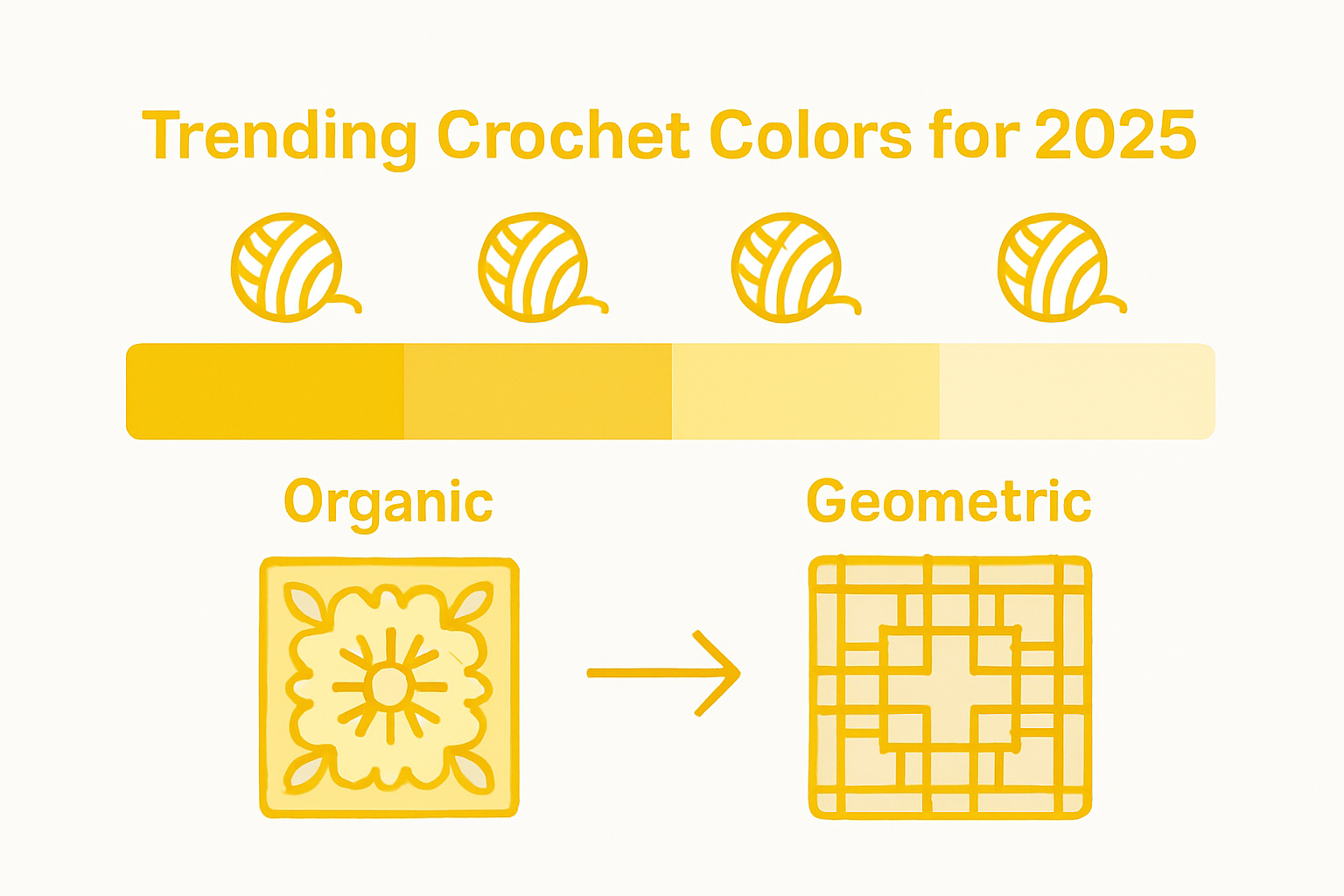
Crochet patterns are evolving to embrace more fluid, organic geometries that challenge traditional rigid design structures. Soft curves, asymmetrical motifs, and free-form compositions are replacing more structured approaches, allowing crafters to express greater artistic freedom. These emerging patterns draw inspiration from natural landscapes, biological forms, and abstract expressionist principles, transforming crochet from a purely functional craft to a dynamic art form that communicates complex visual narratives.
The intersection of color theory and textile design is producing unprecedented creative possibilities. Crafters are experimenting with gradient techniques, color-blocking strategies, and multi-dimensional color transitions that create depth and visual complexity. Monochromatic palettes with subtle tonal variations, unexpected color pairings, and techniques that blend colors seamlessly are becoming hallmarks of contemporary crochet design. These approaches demonstrate a sophisticated understanding of color psychology and its ability to evoke emotional responses through textile art.
Pro Tip for Color Exploration: Experiment with unexpected color combinations by creating small sample swatches that blend contrasting tones, allowing yourself to discover unique and surprising color relationships before committing to larger projects.
Costs, Common Pitfalls, and Market Insights
The growing demand for sustainable materials is reshaping the economic landscape of crochet crafting, introducing both challenges and opportunities for artisans. Eco-friendly yarns and innovative materials are driving up production costs, creating a complex pricing ecosystem that requires careful navigation. Consumers are demonstrating increased willingness to invest in high-quality, ethically produced textile products, signaling a fundamental shift in market expectations.
Crafters face numerous potential pitfalls when attempting to balance traditional techniques with contemporary design demands. Time management remains a critical challenge, with intricate projects requiring significantly more investment than anticipated. Complex patterns, sustainable material selection, and advanced techniques demand a higher level of skill and patience. Artisans must carefully assess their technical capabilities, project complexity, and available resources to avoid frustration and potential project abandonment.
Market insights reveal a sophisticated consumer base increasingly valuing craftsmanship, sustainability, and unique design. The crochet market is evolving from a hobby-driven industry to a more professional, design-focused ecosystem. Pricing strategies must now account for material costs, time investment, artistic complexity, and the growing premium placed on handmade, environmentally conscious textile production. Successful crafters are positioning themselves as artists and designers, rather than merely hobbyists, by offering high-quality, conceptually driven products.
Pro Tip for Financial Planning: Develop a comprehensive project budget that includes material costs, time investment, and potential skill development expenses before starting complex crochet projects.
Transform Your Crochet Journey with the Latest Trends and Materials
The 2025 crochet trends highlight the exciting evolution of styles, sustainable materials, and innovative techniques. If you are inspired to embrace these changes but face challenges like sourcing eco-friendly yarns or mastering advanced stitches, we are here to help. Explore our wide selection of premium Yarn crafted with sustainability and quality in mind. Our curated collection supports your goal to create unique wearable art while honoring environmental responsibility.
.png)
Start upgrading your crafting experience now by visiting Craftiss. Find everything you need from cutting-edge yarns to practical Yarn Bags that keep your supplies organized and accessible. Don’t wait to experiment with new techniques and bold color palettes featured in 2025 trends. Discover how the right materials and tools empower you to bring your most innovative crochet projects to life.
Frequently Asked Questions
What are the latest crochet trends for 2025?
The latest trends in crochet for 2025 include a focus on sustainability, innovative materials, and advanced techniques such as overlay crochet and brioche crochet. Additionally, sports-inspired accessories and textured designs are gaining popularity, reflecting a shift towards contemporary aesthetics.
How can I experiment with new crochet techniques?
To effectively experiment with new crochet techniques, start with small projects or sample swatches to practice unfamiliar stitch patterns. This approach helps build confidence and muscle memory before tackling more complex designs.
What types of sustainable materials are popular in crochet for 2025?
Popular sustainable materials in crochet for 2025 include bamboo blends, hemp-based yarns, and recycled textile waste fibers. These materials not only provide unique textures but also contribute to a lower environmental impact in textile production.
How do color palettes influence crochet design trends in 2025?
Color palettes in 2025 are increasingly leaning towards soft, earthy tones, as exemplified by Pantone’s Color of the Year, Mocha Mousse. Crafters are exploring fluid, organic geometries and gradient techniques that create depth and emotional resonance in their textile designs.
