


Knitting Trends 2025: Innovation and Eco-Friendly Yarn
Finding the perfect yarn that matches your creative vision and eco-friendly values can feel overwhelming with so many new options available. More American knitters are asking tough questions about fiber sourcing, environmental impact, and the stories behind each skein. In 2025, trends are driven by a bold mix of sustainable materials and cutting-edge yarn innovations, giving you exciting ways to create beautiful projects that truly reflect your mindful approach.
Table of Contents
- Defining Knitting Trends For 2025
- Emerging Yarn Types And Fiber Innovations
- Sustainable Materials And Eco-Friendly Choices
- Popular Techniques And Project Styles
- Navigating Sourcing And Ethical Considerations
Key Takeaways
| Point | Details |
|---|---|
| Sustainability is Central | Crafters prioritize eco-conscious yarns and materials that align with environmental values, promoting a responsible knitting culture. |
| Technology Meets Tradition | Innovations like biotech-derived fibers and digital tools enhance the knitting experience while maintaining traditional techniques. |
| Comfort and Wearability Trends | Oversized, textured garments are popular, focusing on quick projects that emphasize comfort and accessibility for knitters. |
| Ethical Sourcing Matters | Transparency in sourcing and supply chains is critical; consumers inform brands about ethical practices through their purchasing decisions. |
Defining Knitting Trends for 2025
Knitting trends in 2025 reflect a fundamental shift in what crafters value. Rather than chasing novelty for novelty’s sake, the current landscape centers on three interconnected movements: sustainability, innovation in materials and techniques, and a return to mindful making. You’re seeing this play out across yarn shops, social media communities, and craft fairs across the United States. Knitters aged 25 to 40 are leading this change, actively seeking yarns that align with their values while pushing creative boundaries. The trend isn’t about what looks trendy in magazines—it’s about what actually works for your projects and matches your commitment to responsible consumption.
At the heart of 2025’s trends sits the eco-conscious yarn movement. Natural fibers like merino wool, organic cotton, and plant-based alternatives (think mushroom leather and seaweed-derived materials) dominate conversations. But it goes deeper than just picking green yarn. Crafters now research fiber sourcing, production methods, and the carbon footprint of their materials. You’re comparing brands on transparency, checking whether dyes are low-impact, and considering whether supporting a small family farm matters more to you than buying from a massive corporation. This shift has created real demand for 7 essential types of knitting yarn that balance performance with environmental responsibility. The psychological shift here is significant: your yarn choice now carries meaning beyond the finished sweater.
Technology and tradition are colliding in interesting ways too. While vintage patterns and traditional techniques remain popular, knitters are experimenting with digital tools for pattern customization, AI-assisted design suggestions, and apps that track projects and calculate yardage more accurately. Colorwork remains strong, but expect to see more intricate, geometric designs that draw inspiration from digital art. Texture is having a major moment—from elaborate cable patterns to experimental stitches that create three-dimensional effects. Whether you’re drawn to inspiring examples of knitting stitches or developing your own signature techniques, the common thread is intentionality. Trends in 2025 celebrate crafters who make deliberate choices rather than following trends blindly.
Pro tip: Start tracking what you actually knit and wear instead of what trends suggest—this reveals your genuine preferences and helps you invest in yarns and projects aligned with your authentic style rather than chasing quarterly fads.
Emerging Yarn Types and Fiber Innovations
The yarn industry is experiencing a wave of innovation that goes far beyond traditional wool and cotton. 2025 marks a turning point where biotech-derived fibers are moving from laboratory concepts into actual skeins you can purchase and knit with. The most exciting development involves bio-inspired fibers like synthetic spider silk created through biotechnology processes. These materials offer exceptional strength and elasticity while maintaining sustainability benefits that appeal directly to environmentally conscious crafters. What makes this shift significant is that these aren’t gimmicky novelty yarns—they’re engineered to perform better than conventional options while reducing environmental impact. You’re looking at yarns with built-in antibacterial properties, improved durability, and complete biodegradability. The technology transforms what yarn can actually do in your projects.
Recommended supplies for your project


Beyond biotech innovations, the fiber sourcing landscape itself is shifting dramatically. Supply chain diversification away from traditional production centers means yarn companies are sourcing from Vietnam, Cambodia, Mexico, and other regions. This movement isn’t just about cost savings—it’s fundamentally about transparency and traceability. Manufacturers now use DNA testing and compliance tools to verify fiber origins and ensure adherence to environmental standards and US regulations. When you buy yarn in 2025, you can actually know where that fiber came from, how it was processed, and whether it meets specific environmental criteria. This level of accountability was unimaginable five years ago.
Blended innovations also deserve attention. Companies are experimenting with combinations of traditional fibers enhanced with functional additions—think merino wool blended with copper nanofibers for temperature regulation, or cotton mixed with recycled polyester for durability without sacrificing feel. Hand spun yarns are having a renewed moment as crafters seek the authenticity and uniqueness these methods provide. The convergence of artisanal production and cutting-edge material science creates options that satisfy both the sustainability-minded crafter and the performance-obsessed maker. You’re no longer choosing between eco-friendly and functional—increasingly, the best yarns deliver both.
Here’s a comparison of innovative yarn types gaining popularity in 2025:
| Yarn Type | Key Advantages | Sustainability Impact | Uses in Knitting |
|---|---|---|---|
| Synthetic Spider Silk | Strong, flexible, hypoallergenic | Biodegradable, low water use | Durable garments, accessories |
| Mushroom Leather | Soft, unique texture | Renewable, vegan alternative | Eco-forward bags, trims |
| Recycled Cotton Blend | Affordable, easy to dye | Reduces landfill waste | Everyday sweaters, scarves |
| Merino/Copper Nanofiber | Temperature regulating | Long-lasting, recyclable | Sportswear, outerwear |
Pro tip: When evaluating new fiber innovations, check the yarn label for traceability information and reach out to manufacturers directly about their sourcing practices—companies genuinely committed to innovation are usually eager to share these details.
Sustainable Materials and Eco-Friendly Choices
Choosing sustainable yarn in 2025 isn’t a niche decision anymore. It’s becoming the default for serious crafters who understand that what they buy shapes the industry. The core shift centers on recycled and reclaimed fibers that transform textile waste into quality yarn. Instead of virgin materials extracted from the earth, manufacturers now process pre and post-consumer textile waste, creating yarn that would otherwise end up in landfills. The most commonly recycled options are cotton and polyester, both of which perform remarkably well when properly processed. Life cycle assessments guide the blending and spinning processes that minimize environmental impact at every stage. What this means for you is straightforward: you can knit without guilt, knowing your project supports circular economy principles rather than extractive practices.
The quality conversation around recycled yarn has shifted dramatically. Five years ago, recycled meant compromises. Now, manufacturers blend recycled fibers with virgin sustainable options like organic wool and cellulose to create yarns that rival traditional counterparts in both feel and performance. The spinning innovations happening right now allow producers to create fine, high-quality yarns efficiently, without sacrificing the buttery softness or consistent drape you expect. When you hold a ball of recycled wool blend, it shouldn’t feel like a compromise—and increasingly, it doesn’t. Brands targeting conscious crafters are investing heavily in these processes because the market now demands it. Your choice to purchase sustainable yarn sends a clear signal that this investment matters.
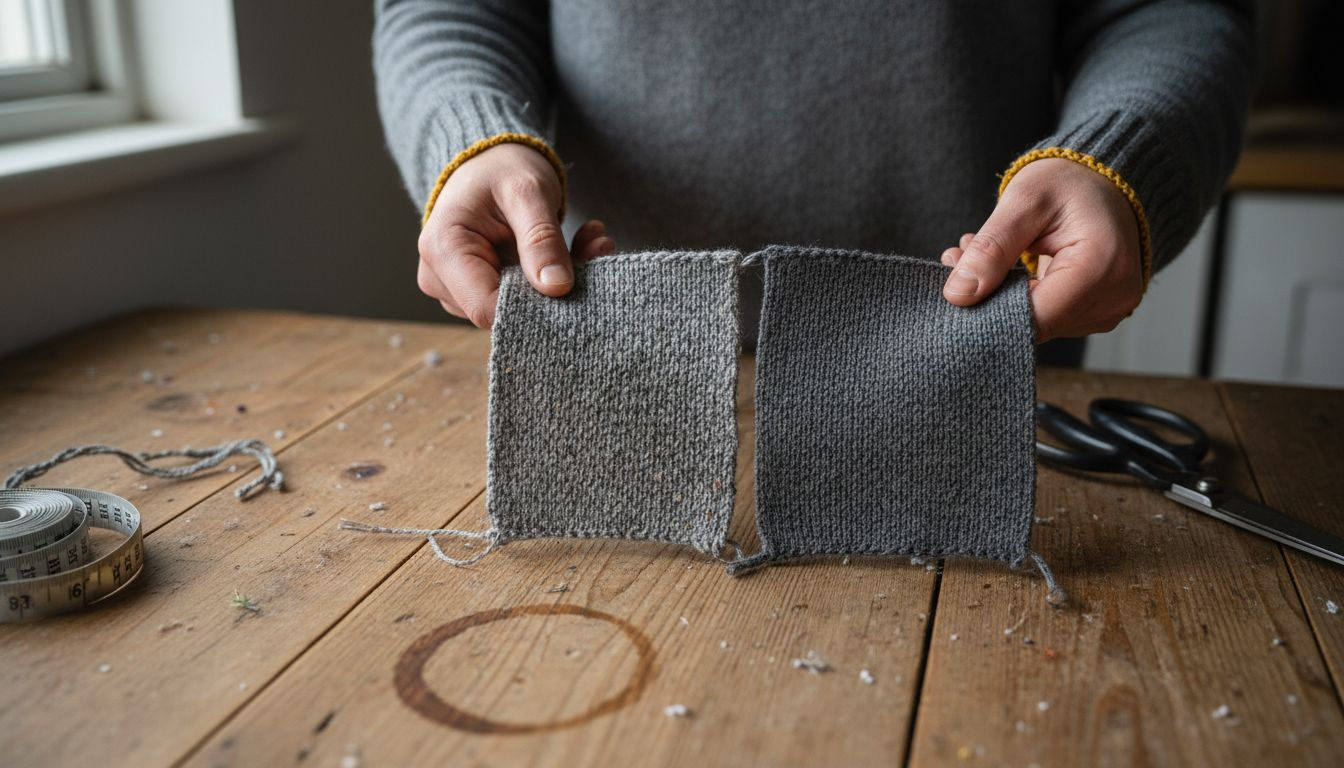
Sustainable yarns also address the fashion industry’s well-documented environmental damage. Textile production consumes enormous water resources, generates chemical pollution, and creates massive waste streams. By choosing yarns made from recycled materials or certified organic fibers, you reduce demand for new virgin production and lower the overall environmental footprint of your crafting. The brands doing this work transparently share their impact numbers, showing exactly how many gallons of water they saved or how much waste they diverted. These aren’t vague claims. They’re specific, measurable outcomes that reflect real change. Additionally, supporting these companies encourages more investment in sustainable infrastructure, creating positive ripple effects across the entire industry.
Pro tip: When shopping for sustainable yarn, look for third-party certifications like Global Organic Textile Standard (GOTS) for organic fibers, or check if the brand publishes environmental impact reports detailing their water usage and waste reduction—transparency is a reliable indicator of genuine commitment.
Popular Techniques and Project Styles
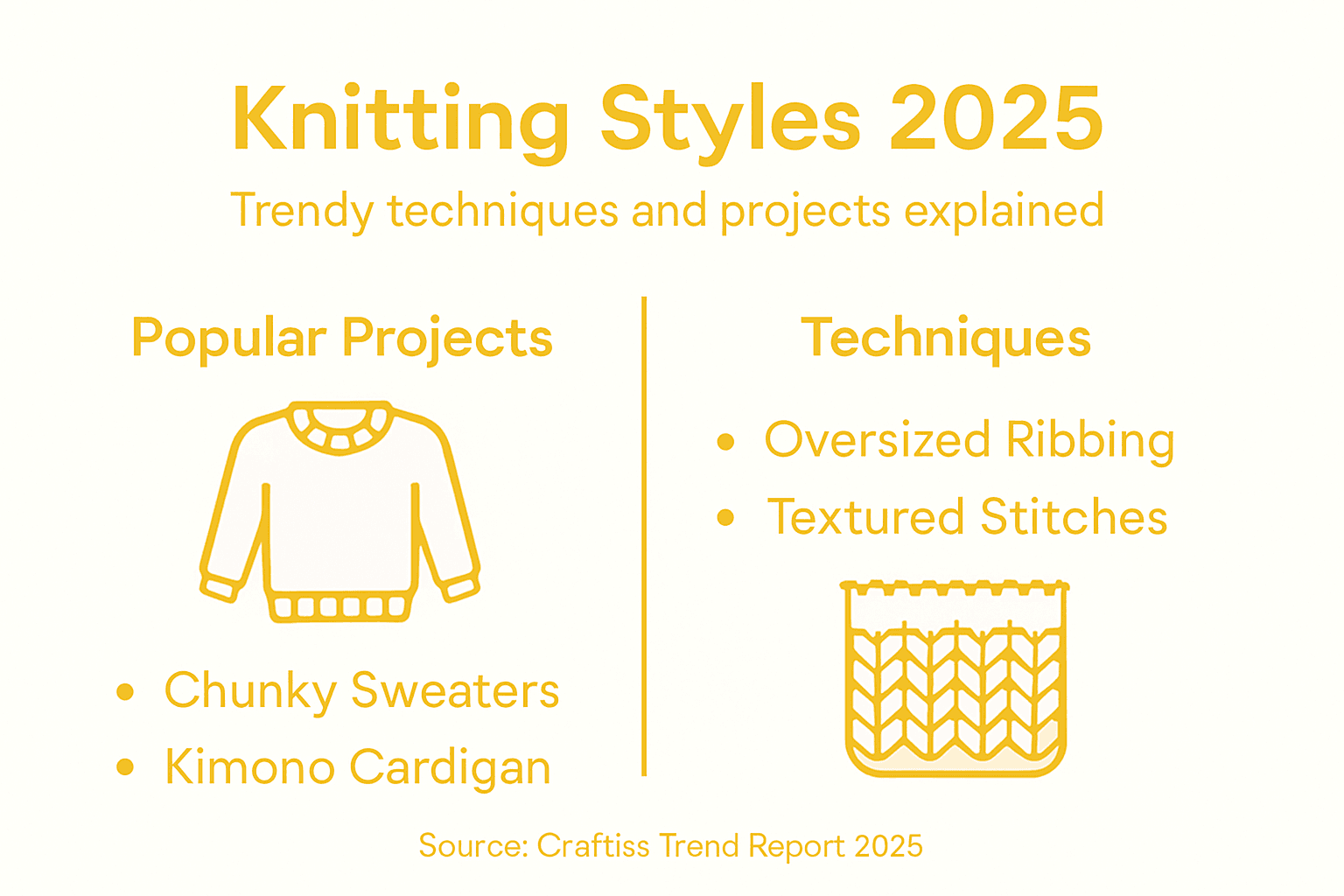
The projects dominating knitting feeds in 2025 reflect a shift toward comfort, texture, and wearability. Chunky sweaters with oversized fits are having a massive moment, and for good reason—they knit faster, showcase stitch definition beautifully, and feel incredible to wear. These aren’t fitted garments demanding precise shaping. Instead, they embrace generous silhouettes that work across different body types and create that coveted “borrowed from a friend” aesthetic. Textured stitches like cables and bobbles add visual interest without requiring complicated colorwork or intricate stitch combinations. What makes this trend accessible is that most crafters aged 25 to 40 already have the foundational skills to execute these projects. You’re working with straightforward techniques you already know, just applied to yarn weights and scales that feel fresh and modern.
Accessories and structured pieces round out the 2025 style landscape. Kimono-style cardigans with wide sleeves and belted waists offer a fashion-forward silhouette that feels different from traditional cardigan patterns you might have knitted years ago. These designs balance comfort with intentional shaping, creating garments that transition from casual to slightly dressy depending on how you style them. The belted elements add visual interest and allow you to customize fit without complex alterations. Beyond cardigans, trendy accessories focus heavily on sustainable choices, blending traditional patterns with eco-friendly yarns. Think vintage cable patterns worked in organic cotton, or classic Fair Isle designs using recycled yarn blends. This combination honors knitting heritage while advancing environmental consciousness. The beauty of this approach is that you’re not learning entirely new techniques. Instead, you’re applying classic patterns to materials that feel aligned with your values.
What’s particularly exciting is how these styles democratize quality knitwear. Instead of spending months on a delicate lace shawl with fingering-weight yarn, you might spend a similar timeframe on a chunky sweater that becomes an immediate wardrobe staple. The projects feel more rewarding because you’re wearing them constantly rather than saving them for special occasions. Texture-driven designs also hide imperfections far better than refined, minimalist aesthetics, which means your hand-knit pieces look intentional and professional regardless of slight gauge variations. When you combine these project styles with sustainable yarns, your finished pieces carry genuine meaning.
Pro tip: Choose oversized sweater projects in solid or simple self-striping sustainable yarns first—they knit quickly, showcase texture beautifully, and require less yarn than fitted garments, making them ideal for exploring premium eco-friendly materials without a massive investment.
Navigating Sourcing and Ethical Considerations
Ethical sourcing in knitting has moved beyond marketing language into genuine operational decisions. When you buy yarn in 2025, you’re participating in a complex web of choices that span supplier practices, environmental impact, and labor standards. The yarn industry now faces intense pressure to build responsible supply chains that consider transparency, compliance, and moral accountability at every level. This isn’t something that happens automatically. Brands making real commitments conduct audits, verify labor practices, and maintain ongoing relationships with suppliers to ensure standards are actually met rather than simply promised. What this means for you as a crafter is straightforward: your purchasing power influences whether companies invest in ethical practices or cut corners. The crafters aged 25 to 40 understand this leverage better than previous generations, and they’re using it.
Supply chain transparency has become a competitive advantage rather than a burden. Brands genuinely committed to ethical sourcing now publish detailed information about where fibers originate, how they’re processed, and who handles production at each stage. Some companies go further, sharing carbon footprint data, water usage metrics, and even photographs of the facilities and workers involved. This transparency allows you to make informed choices rather than relying on vague claims about “sustainability.” When evaluating yarn brands, look for specificity. A company that says “ethically sourced” without details is less trustworthy than one explaining exactly what ethical means in their context. Supply chain transparency, minimizing waste, and ensuring socially responsible production represent industry priorities responding to both regulatory requirements and genuine consumer demand. You’re not alone in expecting this level of accountability.
The circular design movement complements ethical sourcing directly. Beyond ensuring workers are treated fairly and environmental regulations are followed, forward-thinking brands design products that can actually be recycled or composted at end of life. Recycled fiber programs, biodegradable packaging, and take-back initiatives create closed loops instead of linear waste streams. Some companies now offer yarn made from previously returned knitted items, completing the circle. This requires coordination, honest communication, and genuine commitment. But it also means your finished sweater doesn’t have to become landfill material. The investment required to build these systems is significant, which is why supporting brands doing this work—even if their yarn costs slightly more—matters tremendously. Your dollars fund infrastructure that didn’t exist five years ago.
Below is a summary of major ethical sourcing considerations for knitters in 2025:
| Sourcing Aspect | Why It Matters | Example Transparency Measures |
|---|---|---|
| Fiber Origin | Assures authenticity | DNA verification, region details |
| Labor Practices | Supports fair treatment | Published audit results |
| Environmental Impact | Minimizes pollution | Shared carbon/water data |
| Circular Design | Enables recycling | Take-back programs, compostable |
Pro tip: Before purchasing from a new brand, spend five minutes on their website looking for supply chain information, certifications, or labor practice statements—if you can’t find transparency details after brief searching, that absence itself communicates something about their priorities.
Elevate Your Knitting Journey with Sustainable Innovation
Discover how the latest knitting trends in 2025 emphasize eco-conscious choices and cutting-edge yarn technology that align perfectly with your values and creative goals. At Craftiss, we understand the importance of transparency, sustainability, and quality when selecting yarn for your projects. Whether you seek durable biotech-inspired fibers or responsibly sourced blends, our extensive Yarn collection offers options that empower you to knit with intention and pride.
.png)
Dive into a world of yarns designed for mindful makers like you. Shop now at Craftiss to find eco-friendly yarns that support ethical sourcing and circular design. Make your next project a statement of sustainability and craftsmanship by exploring our premium yarns and elevating your knitting experience today.
Frequently Asked Questions
What are the main knitting trends for 2025?
The main knitting trends for 2025 focus on sustainability, innovation in materials, and a return to mindful making. Crafters prioritize eco-conscious yarn, innovative fibers, and intentional project choices that reflect their values.
What types of eco-friendly yarns are gaining popularity in 2025?
In 2025, eco-friendly yarns include natural fibers like merino wool and organic cotton, as well as innovative options like synthetic spider silk and mushroom leather. Recycled and reclaimed fibers are also becoming common as crafters seek sustainable alternatives.
How can I identify sustainable yarn?
To identify sustainable yarn, look for third-party certifications like the Global Organic Textile Standard (GOTS), check for information on fiber sourcing and processing, and review the brand’s environmental impact reports for transparency and accountability.
What are some popular knitting techniques for 2025?
Popular knitting techniques in 2025 emphasize texture and comfort, with chunky sweaters, kimono-style cardigans, and accessories like eco-friendly bags featuring vintage patterns being in demand. Crafters are focusing on straightforward techniques that showcase sustainable materials.
