


Why Choose Undyed Yarn for Eco-Friendly Crocheting
Searching for yarn that preserves the authentic beauty of nature often leads crafters to a unique solution. Undyed yarn presents a way to create soft, breathable projects without relying on chemical dyes or harsh treatments. For American eco-conscious enthusiasts, choosing undyed yarn means prioritizing minimal chemical processing and supporting a cleaner environment. This guide explores the appeal and benefits of sustainable, chemical-free yarn options so you can make mindful choices for your next crochet or knitting project.
Table of Contents
- What Is Undyed Yarn in Yarn Crafting
- Types and Sources of Undyed Yarn
- Environmental Impact and Health Benefits
- Working With Undyed Vs. Dyed Yarn
- Cost, Quality, and Common Pitfalls
Key Takeaways
| Point | Details |
|---|---|
| Undyed Yarn Benefits | Undyed yarn is an eco-friendly choice, retaining natural fiber properties while reducing environmental impact. |
| Health Advantages | These yarns offer hypoallergenic properties and reduce skin irritation, making them suitable for sensitive individuals. |
| Unique Crafting Techniques | Working with undyed yarn requires specific techniques to manage natural color variations and textures effectively. |
| Cost Considerations | The price of undyed yarn can vary, so thorough research and quality assessment are essential for selecting the best options. |
What Is Undyed Yarn in Yarn Crafting
Undyed yarn represents a pure, minimally processed textile material that retains its natural fiber color without artificial chemical intervention. Textiles that maintain their original hue offer crafters an authentic and environmentally conscious alternative to traditionally dyed yarns.
In the world of yarn crafting, undyed yarn represents more than just an aesthetic choice - it’s a commitment to sustainable textile production. These yarns appear in their raw, natural state, showcasing colors like soft cream, natural white, or gentle beige depending on the original fiber source. Traditional wool yarn production often preserves these natural tones, particularly in heritage crafting techniques like creating Aran jumpers.
Key characteristics of undyed yarn include:
- Minimal chemical processing
- Retention of natural fiber properties
- Hypoallergenic potential
- Authentic, earthy color palette
- Lower environmental impact
Crafters choosing undyed yarn appreciate its connection to natural textile traditions and reduced ecological footprint. By selecting these yarns, artisans support more sustainable manufacturing processes that prioritize fiber integrity over artificial color manipulation.
Pro tip: When selecting undyed yarn, examine the fiber content carefully to ensure you’re getting a truly minimally processed textile that aligns with your eco-friendly crafting goals.
Recommended supplies for your project


Types and Sources of Undyed Yarn
Undyed yarn emerges from a rich diversity of natural fiber sources, each offering unique characteristics and sustainability profiles. Natural textile fibers represent a wide range of material origins, spanning both animal and plant-based ecosystems that provide crafters with exceptional raw material options.
Animal-based undyed yarns include premium fibers sourced from various creatures, creating luxurious and environmentally conscious textile options. These natural fiber sources encompass:
- Sheep wool (merino, corriedale, romney)
- Alpaca fiber
- Mohair from angora goats
- Cashmere from mountain goats
- Silk from silkworms
- Angora rabbit fur
Plant-based undyed yarns offer equally compelling alternatives for eco-conscious crafters. Sustainable textile fibers derive from diverse botanical sources, including:
- Organic cotton
- Hemp
- Flax (linen)
- Jute
- Ramie
- Bamboo fiber
Each fiber type brings distinct qualities to yarn production, with factors like texture, strength, and environmental impact varying significantly across different sources. Crafters selecting undyed yarn can choose materials based on specific project requirements, personal sustainability goals, and desired tactile experiences.
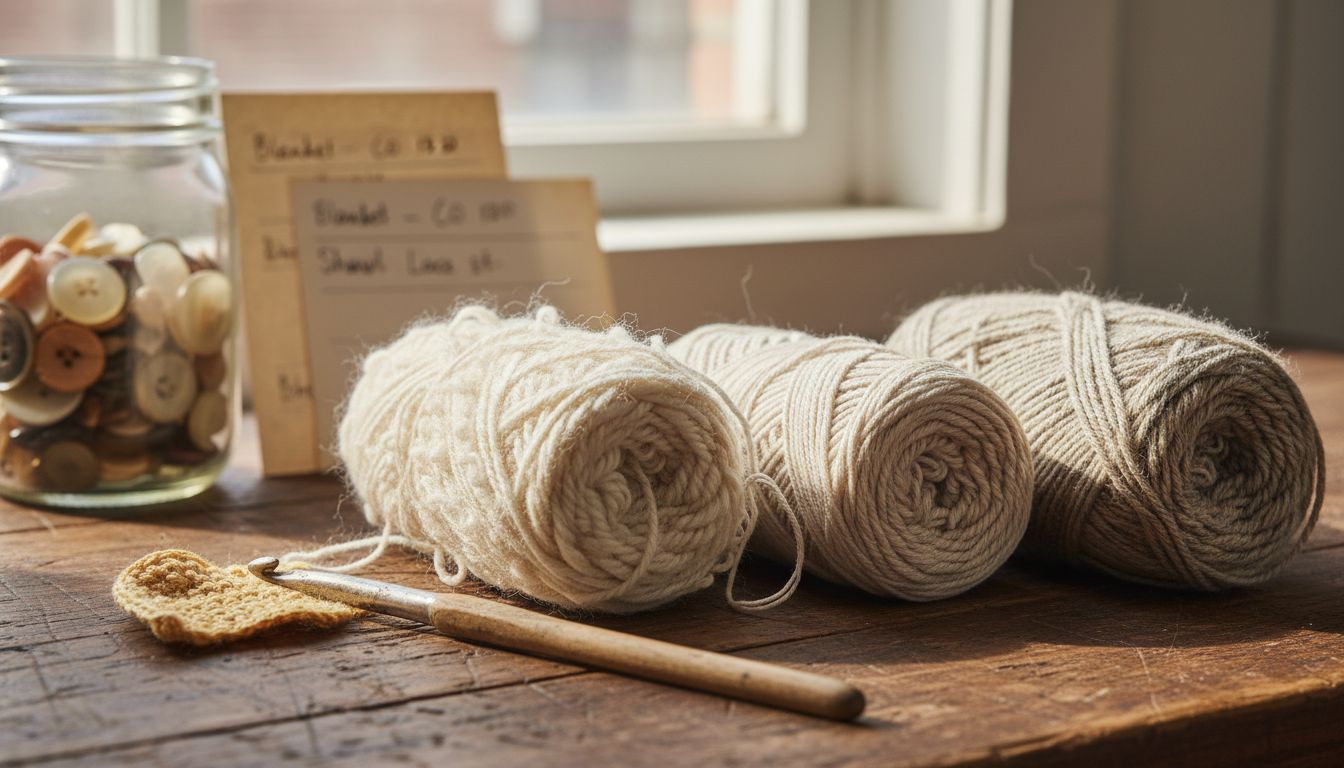
Here’s a comparison of popular undyed yarn fiber types and their key attributes:
| Fiber Source | Typical Texture | Environmental Benefit | Unique Project Use |
|---|---|---|---|
| Merino Wool | Ultra soft | Renewable, biodegradable | Cozy sweaters, baby items |
| Alpaca | Silky, lightweight | Requires little irrigation | Luxury shawls, scarves |
| Organic Cotton | Smooth, breathable | No pesticide residues | Dishcloths, summer wear |
| Bamboo Fiber | Slick, strong | Fast-growing without chemicals | Eco-friendly socks, tees |
Pro tip: When exploring undyed yarn options, consider requesting samples to assess fiber texture and performance before committing to a large project.
Environmental Impact and Health Benefits
Life cycle assessments of wool textiles reveal significant environmental advantages for undyed yarn production. By avoiding chemical dyeing processes, these natural textiles dramatically reduce water pollution, chemical emissions, and overall environmental toxicity. The minimal processing approach preserves the inherent qualities of natural fibers while minimizing ecological harm.
Health benefits of undyed yarns are equally compelling. Chemical-free textiles offer remarkable advantages for individuals with sensitive skin or chemical sensitivities:
- Reduced skin irritation
- Lower risk of allergic reactions
- Absence of synthetic chemical residues
- Natural breathability
- Hypoallergenic properties
- Minimal environmental contamination
Undyed textile production represents a cleaner manufacturing approach, significantly reducing carbon footprints and industrial waste. The environmental benefits extend beyond individual health, contributing to broader ecosystem preservation. Crafters choosing undyed yarns participate in a more sustainable textile ecosystem, supporting manufacturing processes that prioritize both human and environmental wellness.
This table summarizes the environmental and health benefits of undyed yarn choices:
| Benefit Category | Undyed Yarn Advantage | Positive Impact Area |
|---|---|---|
| Environmental | Reduces chemical water pollution | Local ecosystems |
| Health | Minimizes allergic skin reactions | Sensitive skin users |
| Sustainability | Supports responsible manufacturing | Textile industry |
| Air Quality | Lowers toxic emissions | Community well-being |
Pro tip: Research the specific origin and processing methods of your undyed yarn to ensure maximum environmental and health benefits.
Working With Undyed vs. Dyed Yarn
Technical textile characteristics differ significantly between undyed and dyed yarn, presenting unique challenges and opportunities for crafters. Undyed yarn represents textile material in its most natural state, maintaining original fiber characteristics without chemical interventions. This approach preserves the yarn’s inherent qualities while minimizing industrial processing.
Key differences between undyed and dyed yarns include:
- Natural fiber retention
- Minimal chemical processing
- Authentic texture
- Potential color variation
- Enhanced ecological sustainability
- Reduced skin sensitivity risks
Working with raw fiber yarns requires specialized techniques and understanding. Traditional crafting methods emphasize yarn’s natural qualities, recognizing that undyed yarns may present subtle variations in color, texture, and performance. Crafters must adapt their techniques to accommodate these unique characteristics, embracing the organic nature of minimally processed textiles.
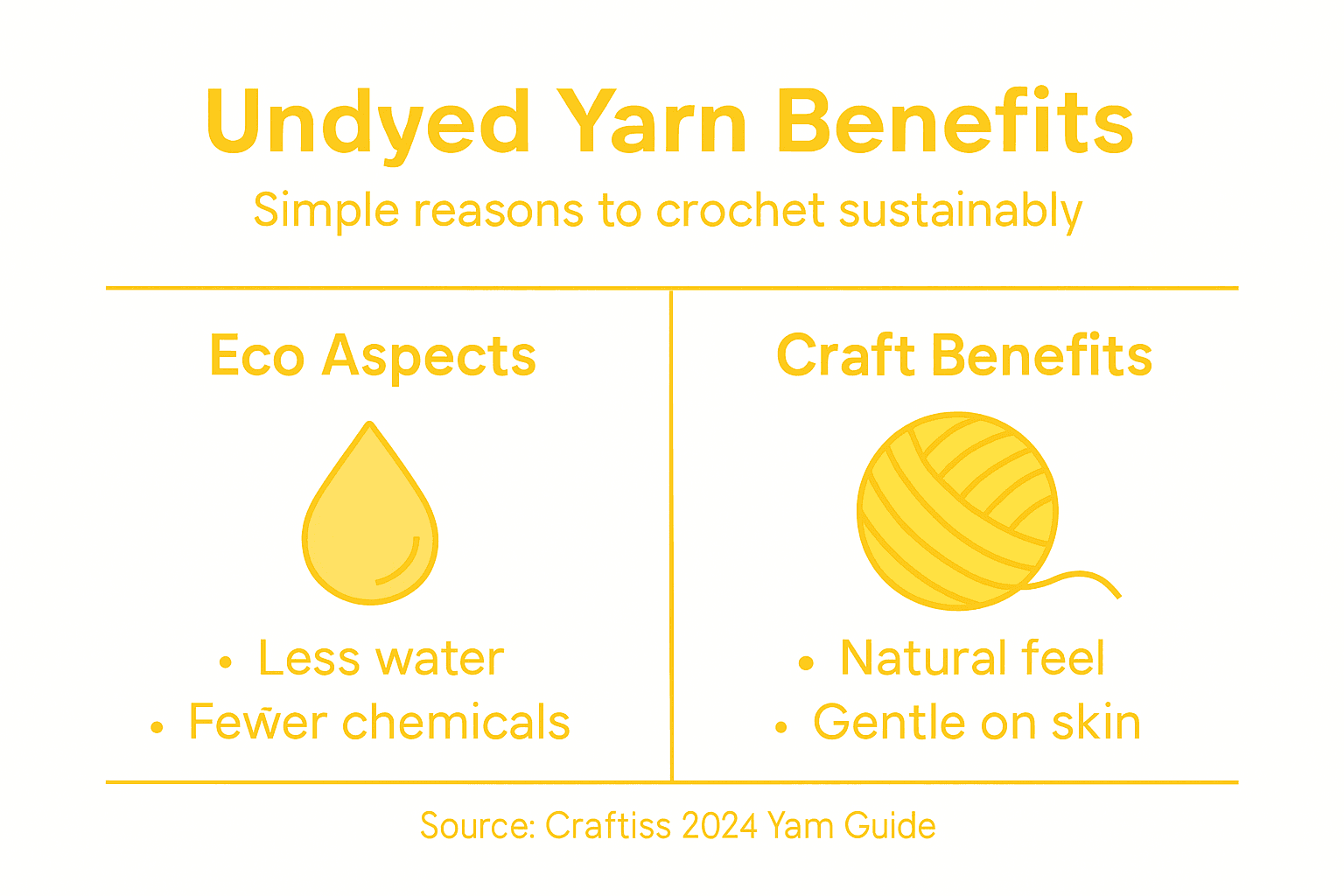
Unlike dyed yarns with uniform color and predictable behavior, undyed yarns demand more nuanced handling. Techniques like alternating skeins, understanding fiber-specific properties, and accepting natural color variations become crucial skills for successful crafting with these environmentally conscious materials.
Pro tip: When working with undyed yarn, always test a small sample first to understand its unique texture and behavior before starting your main project.
Cost, Quality, and Common Pitfalls
Undyed yarn production introduces unique economic considerations that crafters must carefully navigate. The cost of undyed yarns can fluctuate significantly based on fiber quality, sourcing methods, and production complexity. Organic and minimally processed fibers often command higher prices due to more specialized manufacturing techniques and limited production scales.
Common challenges with undyed yarns include:
- Potential color inconsistencies
- Higher per-skein pricing
- Variability in fiber texture
- Limited color range
- Complex quality assessment requirements
- Potential for subtle manufacturing variations
Yarn quality assessment requires careful examination of multiple factors. Sustainable textile production demands rigorous verification of fiber characteristics beyond simple visual inspection. Crafters must develop sophisticated evaluation skills to distinguish between high-quality undyed yarns and those with potential manufacturing defects.
Navigating the undyed yarn marketplace demands a nuanced approach. Buyers should prioritize transparency in sourcing, understand fiber-specific characteristics, and recognize that higher cost does not automatically guarantee superior quality. Careful research, direct communication with suppliers, and hands-on fiber assessment become critical strategies for selecting exceptional undyed yarns.
Pro tip: Always request small fiber samples and conduct thorough tactile and visual inspections before purchasing large quantities of undyed yarn.
Discover the Beauty and Benefits of Undyed Yarn for Your Next Project
Choosing undyed yarn means embracing a more natural, eco-friendly approach to your crocheting craft. If you seek yarns with authentic texture, sustainable fiber sources, and hypoallergenic qualities you will appreciate the minimal processing and vibrant earth tones of undyed fibers. Yet finding high-quality undyed yarn that meets your eco-conscious goals can be challenging.
Craftiss is here to help you overcome these hurdles. Explore our carefully curated selection of premium Yarn that highlights natural, undyed options designed for crafters who value sustainability without compromising softness or durability.
.png)
Start transforming your crochet projects with yarns that protect your health and the environment. Visit Craftiss today to find your perfect eco-friendly fiber and check out our handy Yarn Bags to keep your materials organized during every creative session. Act now to connect tradition, quality, and sustainability in your crafting journey.
Frequently Asked Questions
What is undyed yarn?
Undyed yarn is a pure textile material that retains its natural color without artificial dyes or chemicals. It showcases colors like cream or beige, depending on the fiber source, and is associated with more sustainable textile production practices.
What are the benefits of using undyed yarn for crocheting?
Using undyed yarn offers several benefits, including minimal chemical processing, hypoallergenic properties, and a reduced ecological footprint. It allows crafters to connect with traditional textile practices while creating eco-friendly projects.
How do undyed yarns compare to dyed yarns in terms of quality?
Undyed yarns typically retain the natural qualities of the fiber and are less processed than dyed yarns. This can lead to unique color variations and textures, while dyed yarns offer uniformity in color but may involve more chemical processing and treatment.
Can undyed yarn be used for sensitive skin projects?
Yes, undyed yarn is often hypoallergenic and free from synthetic chemicals, making it a suitable choice for projects intended for individuals with sensitive skin or allergies. Its natural properties allow for breathability and comfort.
