


Why Choose Wool Yarn for Eco Crafting Impact
Choosing yarn for your next eco-friendly crochet or knitting project can feel overwhelming when so many options claim to be sustainable. For American crafters committed to quality and mindful material choices, wool yarn stands out as a proven natural fiber that offers both lasting durability and environmental benefits. Unlike synthetics, wool is renewable and biodegrades in soil and water, returning nutrients without polluting with microplastics. This guide clears up common myths about wool yarn and helps you select the perfect type for your creative vision.
Table of Contents
- Defining Wool Yarn And Common Misconceptions
- Wool Yarn Types And Key Variations
- Natural Benefits And Project Versatility
- Sustainability And Eco-Friendly Advantages
- Risks, Drawbacks, And Maintenance Tips
- Comparing Wool Yarn To Other Fibers
Key Takeaways
| Point | Details |
|---|---|
| Wool Yarn’s Unique Properties | Wool yarn is a natural fiber known for its extraordinary durability, insulation, and moisture-wicking capabilities, making it an excellent choice for eco-conscious crafters. |
| Variety of Wool Types | Different wool types, such as Merino, Romney, and Lincoln, offer varied softness and durability, allowing crafters to select yarns suitable for specific project needs. |
| Sustainability Benefits | Wool is a biodegradable, renewable resource that supports ecological balance, making it a responsible alternative to synthetic materials. |
| Maintenance Considerations | Crafters should be aware of wool’s susceptibility to environmental risks like moth damage and moisture, and adopt strategic care practices to preserve quality. |
Defining Wool Yarn and Common Misconceptions
Wool yarn represents a remarkable natural fiber with extraordinary characteristics that set it apart from synthetic alternatives. Unlike manufactured materials, wool is a natural protein-based fiber derived from sheep and other mammals, offering unique properties that make it exceptional for eco-conscious crafting.
At its core, wool is composed of keratin protein with inherent structural advantages. Wool fibers possess a remarkable ability to bend up to 20,000 times without breaking, which translates into extraordinary durability for crafting projects. The natural crimp and scale structure of wool fibers enables them to interlock seamlessly, creating fabrics with exceptional insulation, breathability, and resilience. These characteristics make wool yarn far more than just a textile material - it represents a sophisticated, environmentally friendly crafting solution.
Many crafters harbor misconceptions about wool yarn, often believing it to be scratchy, high maintenance, or limited in application. However, contemporary wool processing techniques have dramatically transformed these perceptions. Modern wool yarns range from ultra-soft merino to robust traditional wool varieties, offering crafters an extensive palette of textures and performance characteristics. Wool’s biodegradable properties also distinguish it from synthetic alternatives, breaking down naturally in soil and water without contributing to microplastic pollution.
Pro tip: When selecting wool yarn, always check the micron count - lower numbers indicate softer, more luxurious fibers perfect for next-to-skin projects.
Recommended supplies for your project


Wool Yarn Types and Key Variations
Wool yarn comes in numerous variations, each with distinct characteristics that make them suitable for different crafting applications. Wool classification depends on fiber length and fineness, which fundamentally determines the yarn’s processing method and ultimate performance. The two primary processing techniques - woolen and worsted - create dramatically different yarn textures and qualities.
The primary wool yarn types include soft merino wool, robust Romney wool, and versatile Lincoln wool. Merino wool stands out as the most prized variety, known for its exceptional softness and fine fibers that make it perfect for garments worn directly against the skin. Coarser wool types like Romney and Lincoln offer greater durability and are frequently used in more rugged crafting projects such as outerwear, blankets, and home decor items. Each wool type brings unique characteristics to crafting, with fiber diameter and origin playing crucial roles in determining the yarn’s ultimate potential.
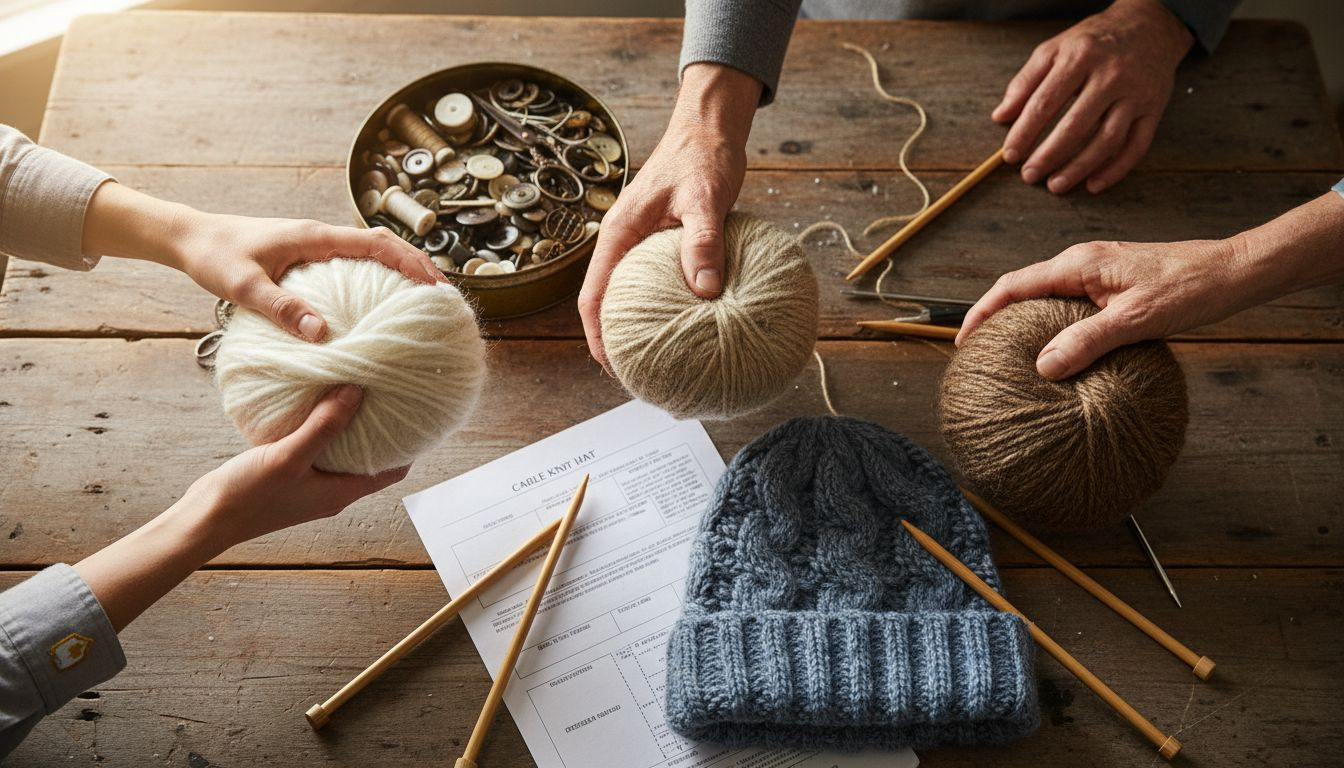
Here’s a summary of key differences among popular wool yarn types:
| Wool Yarn Type | Softness Level | Typical Uses |
|---|---|---|
| Merino | Very soft, fine | Garments, baby clothes, accessories |
| Romney | Medium, durable | Outerwear, blankets, home decor |
| Lincoln | Coarse, resilient | Rugs, upholstery, sturdy craft items |
Processing methods dramatically influence wool yarn’s final qualities. Wool processing involves multiple intricate stages including shearing, washing, blending, carding, and spinning. Woolen spinning uses shorter, less aligned fibers to create soft, fuzzy yarns ideal for sweaters and accessories, while worsted spinning employs longer, carefully combed fibers to produce smooth, strong yarns perfect for structured garments and precise knitting or crocheting techniques. This nuanced approach allows crafters to select yarns that precisely match their project requirements.
Pro tip: Always match your wool yarn type to your specific project needs - merino for soft garments, coarser wools for durable items, and consider the processing method to achieve your desired texture and performance.
Natural Benefits and Project Versatility
Wool yarn stands out as an extraordinary fiber with remarkable natural properties that make it a superior choice for eco-conscious crafters. Scientific research confirms wool’s exceptional versatility, revealing a range of benefits that extend far beyond traditional textile applications. Its unique fiber structure provides remarkable performance characteristics that synthetic materials simply cannot replicate.
The natural benefits of wool yarn are truly impressive. Wool offers multiple protective and functional qualities that make it ideal for diverse crafting projects. Its inherent properties include exceptional moisture-wicking capabilities, natural odor resistance, and incredible thermal regulation. Wool can absorb moisture without feeling wet, retain warmth even in damp conditions, and provide natural UV protection. These characteristics make wool yarn an excellent choice for creating everything from cozy winter accessories to lightweight summer garments that adapt to changing environmental conditions.
Beyond personal comfort, wool yarn represents a sustainable crafting solution with significant environmental advantages. The fiber is completely biodegradable, renewable, and can be harvested annually from sheep without causing harm. Wool naturally resists microbial growth, static electricity, and even has inherent fire-resistant properties. Crafters can create projects knowing they are working with a material that not only performs exceptionally but also supports ecological sustainability. From intricate garments to home decor items, wool yarn provides crafters with a versatile, responsible material that bridges performance and environmental consciousness.
Pro tip: Select wool yarn weights and types strategically based on your project’s specific environmental demands and desired performance characteristics.
Sustainability and Eco-Friendly Advantages
Wool represents a pinnacle of sustainable textile production, offering crafters an environmentally responsible alternative to synthetic materials. Wool is a renewable resource that fundamentally transforms our approach to responsible crafting. Unlike petroleum-based synthetic fibers that contribute to environmental degradation, wool emerges as a natural, regenerative material that supports ecological balance.
The environmental credentials of wool are remarkably comprehensive. Wool fibers biodegrade naturally in soil within 3 to 6 months, returning essential nutrients to the ecosystem without leaving harmful residues. This natural decomposition process stands in stark contrast to synthetic fibers that persist in environments for hundreds of years. Wool’s production cycle involves minimal processing, with sheep continuously producing new fleece annually through a natural, sustainable process. By choosing wool, crafters actively participate in a circular economy that prioritizes renewable resources and minimizes waste.
Beyond its biodegradability, wool offers additional environmental advantages that make it a superior choice for eco-conscious crafters. The fiber requires less frequent washing, uses lower water temperatures, and has inherently long-lasting properties that reduce overall consumption. Wool garments and crafted items typically outlast fast-fashion alternatives, which means fewer replacements and reduced material waste. Furthermore, wool production supports agricultural ecosystems, helping maintain soil health and biodiversity while providing a sustainable income for farming communities.
Pro tip: Select wool from local, responsibly managed farms to maximize your craft’s environmental and social sustainability.
Risks, Drawbacks, and Maintenance Tips
While wool yarn offers remarkable benefits, crafters should understand its potential challenges and maintenance requirements. Wool requires strategic care to preserve its quality, with specific considerations that differ from synthetic fibers. Understanding these nuances helps crafters maximize their wool projects’ longevity and performance.
Wool’s natural properties make it susceptible to certain environmental risks that crafters must proactively manage. Moths and silverfish can potentially damage wool fibers, necessitating careful storage strategies. Moisture management becomes critical, as excessive humidity can compromise wool’s structural integrity and potentially lead to mildew or fiber degradation. Contamination risks during wool processing underscore the importance of selecting high-quality, carefully handled wool yarns from reputable sources. Crafters should also be aware that wool can shrink or felt if exposed to significant temperature changes or aggressive washing techniques.
Maintenance of wool yarn projects requires a nuanced approach that balances preservation with practical use. Modern wool products often tolerate machine washing and tumble drying, contrary to historical perceptions of high-maintenance fabrics. Airing out wool items, spot cleaning, and using gentle detergents can significantly extend their lifespan. Regular inspection for potential moth damage, storing items in cool dry spaces, and using natural cedar or lavender repellents can help protect wool crafts. Understanding these maintenance techniques transforms potential drawbacks into manageable considerations for eco-conscious crafters.
Pro tip: Store wool yarn and finished projects with natural moth-repellent sachets and avoid humid storage areas to prevent fiber damage.
Comparing Wool Yarn to Other Fibers
Wool yarn represents a superior textile material when compared to synthetic and plant-based alternatives, offering crafters a unique combination of performance and environmental responsibility. Wool fibers surpass conventional textile options through their exceptional natural characteristics that synthetic materials cannot replicate. Unlike petroleum-derived fibers like polyester or acrylic, wool provides intrinsic qualities that make it a standout choice for conscious crafters.
Synthetic fibers like nylon and polyester generate significant environmental challenges, continuously shedding microplastics that contaminate ecosystems. In contrast, wool biodegrades naturally and quickly, returning nutrients to the soil without long-term environmental consequences. Comparative life cycle assessments demonstrate wool’s lower environmental impact, highlighting its durability and longer usable lifecycle. Wool’s natural protein-based structure provides superior moisture management, temperature regulation, and odor resistance that synthetic fibers struggle to match, making it a high-performance ecological alternative.
Beyond environmental considerations, wool yarn offers remarkable performance advantages over plant-based fibers like cotton or linen. Its natural crimp and protein structure provide superior insulation, fire resistance, and elasticity. Cotton absorbs moisture and loses thermal properties when wet, whereas wool maintains its insulating capabilities even in damp conditions. The fiber’s inherent ability to regulate temperature, coupled with its natural antimicrobial properties, makes wool yarn an exceptional choice for crafters seeking both functionality and sustainability.
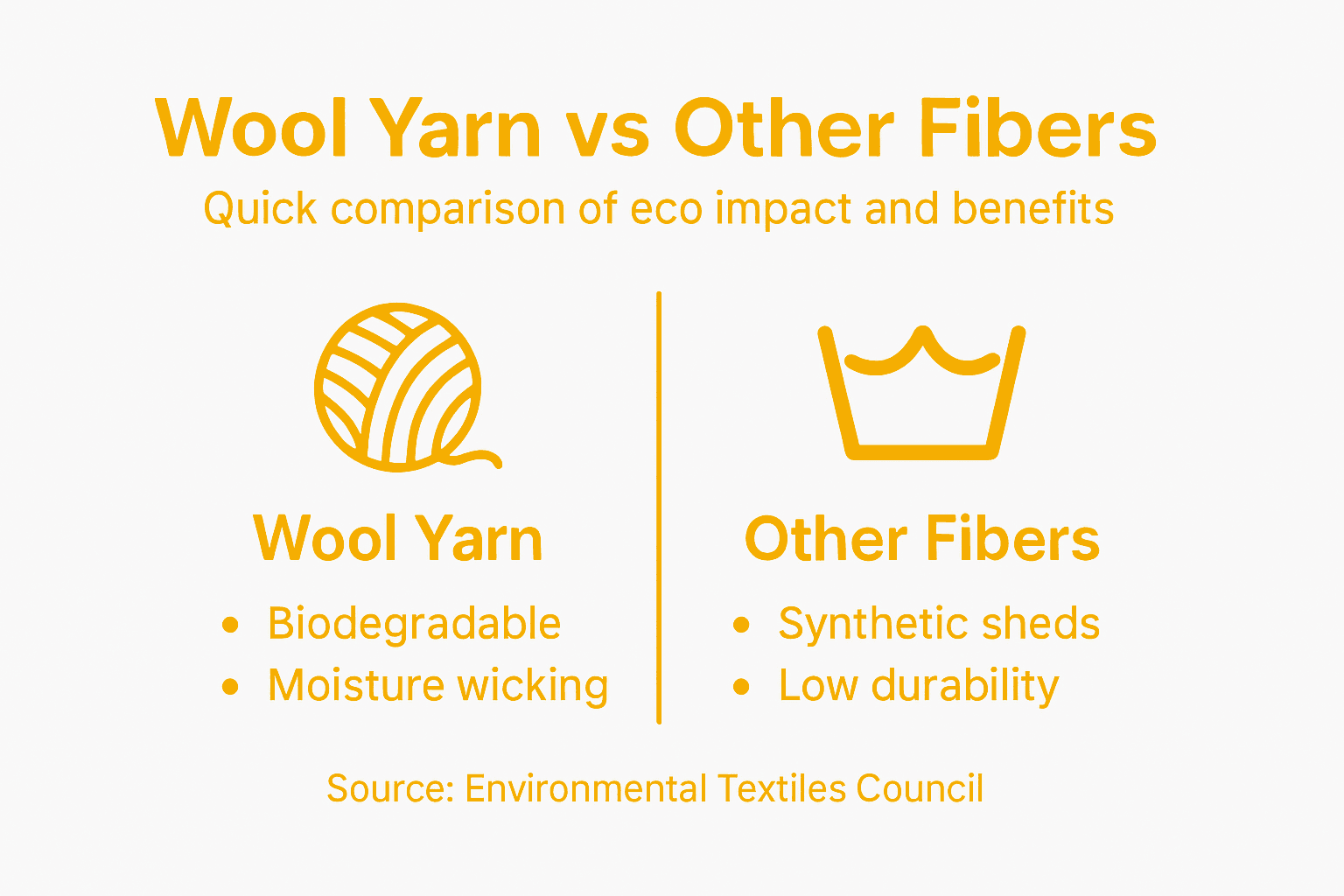
Here is a quick comparison of wool versus common alternative fibers:
| Fiber | Moisture Handling | Environmental Impact | Durability |
|---|---|---|---|
| Wool | Absorbs, stays warm | Biodegradable, renewable | Very long-lasting |
| Cotton | Absorbs, feels wet | Biodegradable, but water intensive | Moderate |
| Polyester | Repels, non-breathable | Non-biodegradable, microplastics | Long-lasting |
Pro tip: When selecting yarn, prioritize wool’s performance metrics over purely aesthetic considerations to ensure your crafting projects achieve both environmental and functional excellence.
Discover Sustainable Crafting with Premium Wool Yarn
Choosing wool yarn for eco crafting means embracing durability, natural performance, and environmental responsibility. If you want to create projects that are soft, resilient, and truly sustainable, exploring our wide selection at Yarn – CRAFTISS is the perfect next step. From soft merino to robust blends each yarn meets the needs of eco-conscious crafters looking for unmatched quality.
.png)
Start your journey today by browsing our carefully curated yarn collections designed for diverse crafting goals. Experience firsthand the natural benefits of wool and make a positive impact with every stitch. Visit CRAFTISS and unlock your potential to craft responsibly with materials that stand the test of time and nurture the planet.
Frequently Asked Questions
What are the benefits of using wool yarn for eco crafting?
Wool yarn offers exceptional moisture-wicking, temperature regulation, natural odor resistance, and biodegradability, making it an excellent choice for eco-friendly crafting projects.
How does wool yarn compare to synthetic fibers?
Wool yarn is biodegradable, renewable, and has a lower environmental impact than synthetic fibers like polyester, which contribute to microplastic pollution. Wool provides superior moisture management and insulation, even when damp.
What types of wool yarn are best for different crafting projects?
Merino wool is ideal for soft garments worn against the skin, while coarser wools like Romney and Lincoln are better suited for outerwear and durable items. Always match the yarn type to your project’s needs for optimal results.
How should I care for my wool yarn and finished projects?
Proper care includes airing out wool projects, spot cleaning, and using gentle detergents. Store wool items in cool, dry areas with natural moth repellents to protect them from damage.
