


Hand Dyed Yarn: Unleashing Colorful Creativity
Most American crafters know that no two hand dyed yarn skeins are ever identical. This individuality has sparked a growing demand for yarns that look and feel completely unique. Whether you knit or crochet, understanding the fundamentals of hand dyed yarn reveals why these vibrant fibers offer unmatched creative freedom. Discover how artisan dye techniques transform simple wool or cotton into materials that showcase your personal style and set your projects apart.
Table of Contents
- Hand Dyed Yarn: Definition And Fundamentals
- Types Of Hand Dyed Yarn And Styles
- The Process Behind Hand Dyeing Yarn
- Unique Qualities And Real-World Uses
- Comparing Hand Dyed Yarn To Alternatives
- Safety, Certification, And What To Avoid
Key Takeaways
| Point | Details |
|---|---|
| Hand Dyed Yarn | Hand dyed yarns offer unique color variations and artistic expression not found in mass-produced alternatives, making each skein distinctive. |
| Dyeing Techniques | Various dyeing techniques allow crafters to create intricate patterns and textures, enhancing the visual quality of the yarn. |
| Environmental Impact | Many hand dyed yarns are produced using eco-friendly methods, making them a more sustainable choice compared to commercial yarns. |
| Safety Considerations | It’s important to choose hand dyed yarns from reputable sources that follow safety standards and provide transparency about their dye compositions. |
Hand dyed yarn: Definition and fundamentals
Hand dyed yarn represents a vibrant artistic process where individual crafters or small studios manually apply color to yarn fibers, transforming plain wool or cotton into unique, personalized textile materials. Unlike mass-produced yarns, hand dyed yarns reflect the creative vision and meticulous technique of the dyer, producing color variations that range from subtle tonal shifts to bold, dramatic color transitions.
The process of dyeing textile materials involves applying specialized dyes directly onto yarn fibers through controlled techniques that ensure color absorption and fastness. Skilled artisans use various methods including hand-painting, immersion dyeing, and gradient techniques to create complex color patterns. Key factors in successful hand dyeing include fiber composition, dye selection, temperature control, and the specific chemical interactions between the dye molecules and textile fibers.
Hand dyed yarns can be created using natural or synthetic dyes across multiple fiber types, including wool, cotton, silk, and synthetic blends. Color variation is a hallmark of hand dyed yarns, with each skein potentially featuring unique color gradients and subtle imperfections that make the textile truly one-of-a-kind. Crafters value these yarns for their individuality, allowing knitters and crocheters to create projects with depth, character, and personal expression that mass-produced yarns cannot replicate.
Pro tip: When working with hand dyed yarns, alternate skeins every few rows to distribute color variations evenly and prevent noticeable color pooling in your final project.
Types of hand dyed yarn and styles
Hand dyed yarns encompass a rich and diverse world of color techniques, offering crafters an expansive palette of creative possibilities. Dye styles range from traditional techniques rooted in cultural heritage to contemporary experimental approaches, each producing unique visual textures and color patterns that distinguish hand dyed yarns from mass-produced alternatives.
Traditional hand dyeing methods include several distinctive styles: space dyeing, which creates color variations across the yarn skein; tie-dye, involving strategic fabric binding to create intricate patterns; shibori, a Japanese resist-dyeing technique that produces complex geometric designs; and gradient dyeing, which transitions smoothly between color tones. Crafters can choose between natural dyes derived from plants, minerals, and insects, or synthetic dyes that offer more consistent and vibrant color results.
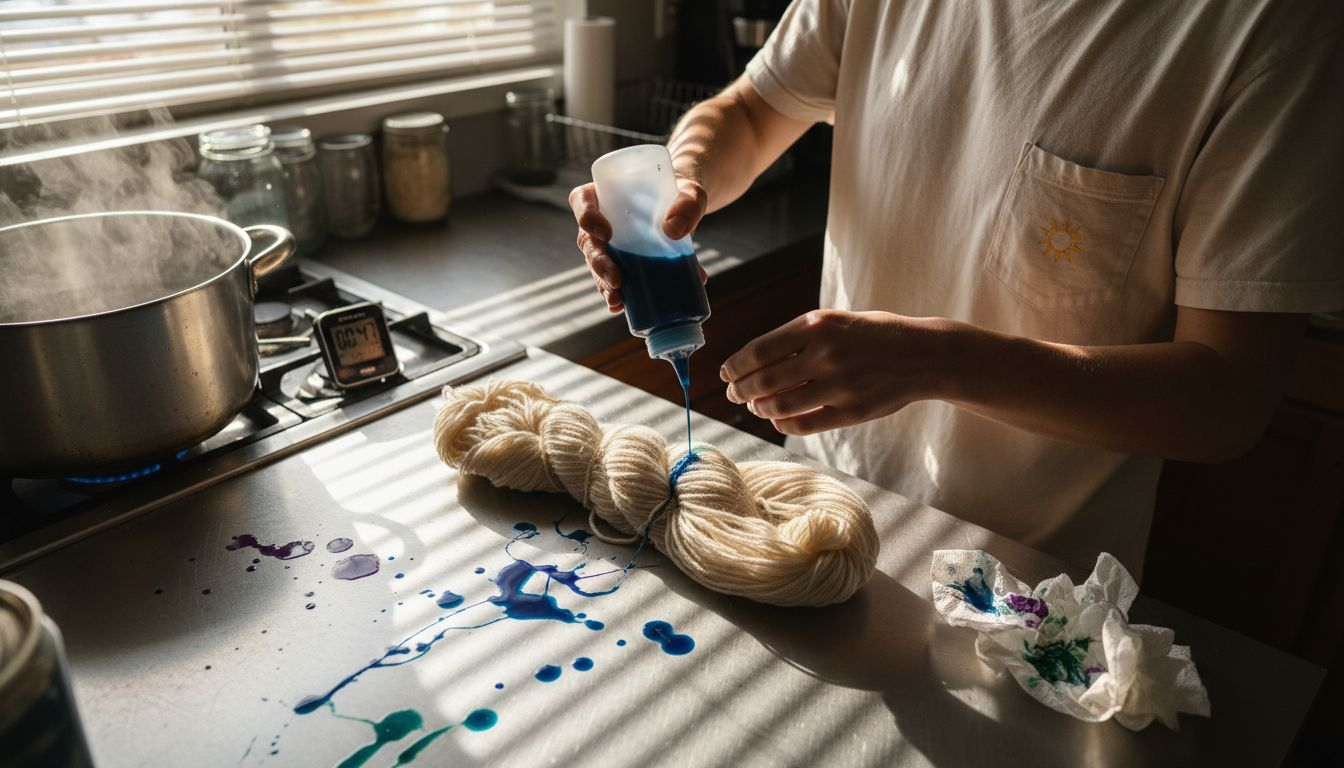
The fiber composition significantly influences the final hand dyed yarn’s appearance and performance. Wool fibers, for instance, absorb dyes remarkably well and can create rich, deep color saturation, while cotton and silk offer different color absorption characteristics. Fiber content determines how colors interact, with protein-based fibers like wool and silk typically producing more intense and nuanced color variations compared to plant-based or synthetic fibers.
Below is a summary of traditional and modern hand dyeing techniques and their visual outcomes:
| Technique | Origin/Influence | Color Outcome |
|---|---|---|
| Space Dyeing | Contemporary | Variegated, bold shifts |
| Shibori | Japanese heritage | Geometric, resisted patterns |
| Tie-Dye | Global, vintage pop | Spiraled or repeated motifs |
| Gradient Dyeing | Modern craft | Smooth color transitions |
Pro tip: When selecting hand dyed yarns, always purchase enough skeins from the same dye lot to ensure color consistency across your entire project.
Recommended supplies for your project


The process behind hand dyeing yarn
Hand dyeing yarn is a meticulous craft that transforms plain fibers into vibrant, personalized textile materials through a carefully controlled process. The fundamental steps of dyeing involve immersing yarns into specialized dye solutions, carefully managing temperature, time, and chemical interactions to achieve consistent and beautiful color results.
The preparation stage is critical in hand dyeing. Crafters begin by selecting and preparing yarn skeins, which typically involves thoroughly cleaning the fibers to remove any oils, dirt, or residues that might interfere with dye absorption. Mordanting plays a crucial role in this process, where specific chemical agents are applied to help dyes bond more effectively with the yarn fibers, enhancing color fastness and depth. Different fiber types require unique preparation techniques, with protein-based fibers like wool responding differently compared to plant-based fibers such as cotton.
Dye application techniques vary widely, ranging from immersion dyeing to hand-painting and gradient methods. Professional dyers control multiple variables during the dyeing process, including dye bath pH levels, water temperature, and immersion duration. The yarn is carefully moved and manipulated to ensure even color distribution, with some techniques involving strategic resisting or binding to create complex patterns. After the dyeing process, yarns undergo thorough rinsing to remove excess dye and are then carefully dried to set the color and prevent bleeding or fading.
Pro tip: Always wear protective gloves and work in a well-ventilated area when hand dyeing yarn to protect your skin and ensure safe handling of dye chemicals.
Unique qualities and real-world uses
Hand dyed yarns represent a remarkable intersection of artistic expression and functional textile craft, offering unique characteristics that set them apart from mass-produced alternatives. Techniques like ikat create intricate, blurred patterns through specialized resist-dyeing methods, producing yarns with rich color variations and complex visual textures that cannot be replicated by industrial manufacturing processes.
The distinctive qualities of hand dyed yarns extend beyond aesthetic appeal, encompassing practical and artistic applications across multiple domains. Textile artists and crafters prize these yarns for their individuality, using them in high-end fashion design, artisanal clothing, intricate home decor projects, and specialized textile art installations. Each skein becomes a unique canvas, with color gradients and subtle variations that tell a story of manual craftsmanship and creative intention.
Beyond artistic applications, hand dyed yarns are increasingly valued for their potential environmental sustainability. Eco-conscious crafters are gravitating towards natural dye techniques that minimize chemical usage, creating textile products with reduced environmental impact. Color variations in these yarns range from subtle, earthy tones derived from plant-based dyes to vibrant, complex colorways that reflect the nuanced skills of individual dye artists. These yarns are particularly sought after in fields like sustainable fashion, artisan crafting, and textile design where uniqueness and environmental responsibility are paramount.
Pro tip: When working with hand dyed yarns, alternate skeins every few rows to distribute color variations evenly and create a more balanced, professional-looking finished project.
Comparing hand dyed yarn to alternatives
Commercial yarn production methods demonstrate significant differences from artisanal hand dyeing techniques, particularly in color complexity, creative expression, and manufacturing approach. Mass-produced yarns prioritize consistency and efficiency, creating uniform color palettes that lack the nuanced variations characteristic of hand dyed alternatives.
Manufacturing processes distinguish commercial and hand dyed yarns fundamentally. Industrial yarn production relies on automated systems that generate predictable, standardized color outcomes, whereas hand dyed yarns emerge from individual crafters’ creative techniques. These artisanal methods allow for intentional color gradients, unexpected blending, and unique textural characteristics that machine-based production cannot replicate. Commercial yarns might offer lower price points and greater availability, but they sacrifice the artistic individuality inherent in hand dyed alternatives.
Economic and environmental considerations further differentiate these yarn types. While mass-produced yarns benefit from scalable manufacturing, hand dyed yarns represent a more sustainable and environmentally conscious approach. Small-batch dyers often use natural dyes, minimize chemical treatments, and create products with lower carbon footprints. Fiber integrity remains paramount in hand dyeing, with artisans carefully selecting materials and employing techniques that preserve yarn quality and enhance its inherent characteristics.
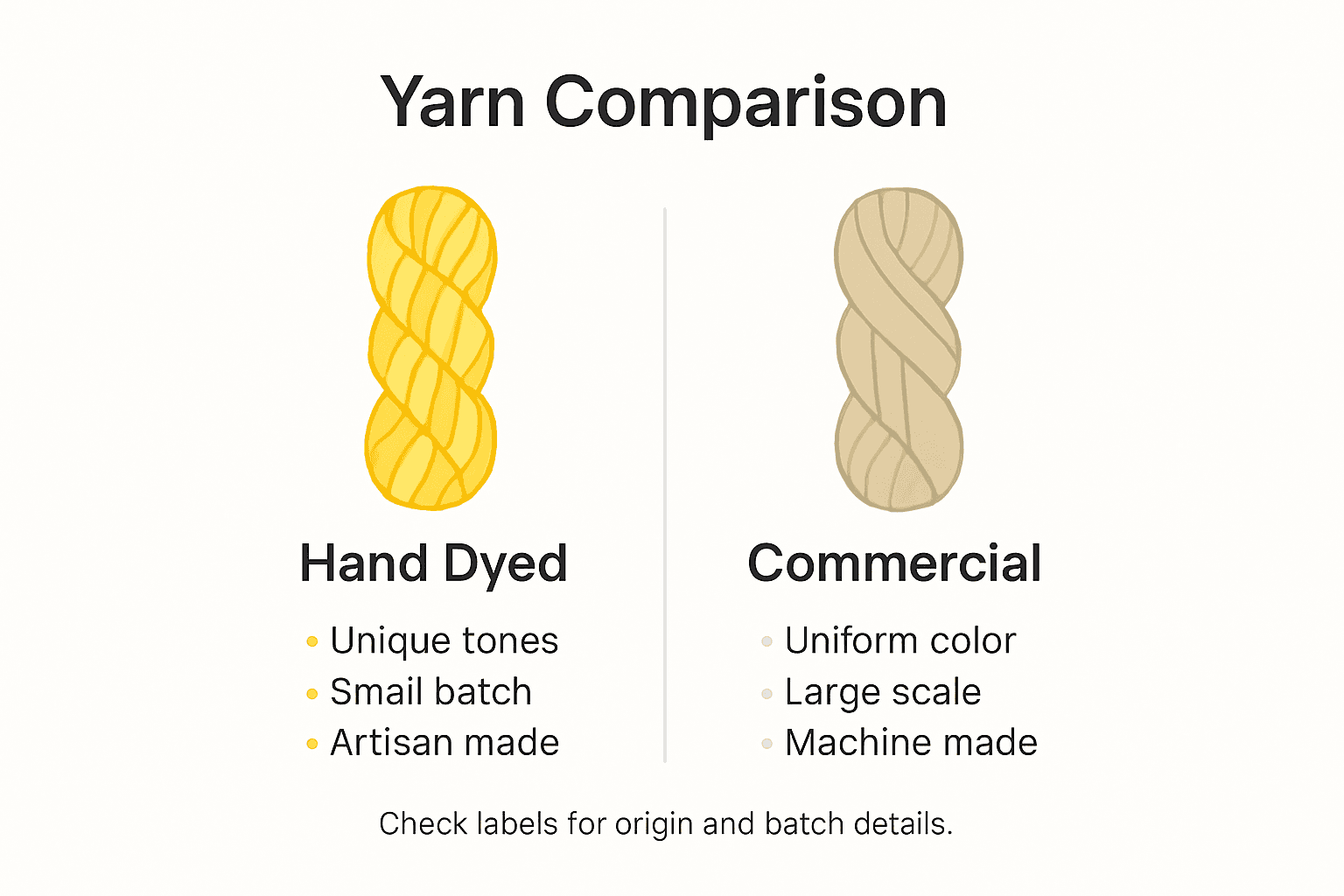
Here’s a quick comparison of hand dyed yarn and commercial yarn to help inform your project choices:
| Feature | Hand Dyed Yarn | Commercial Yarn |
|---|---|---|
| Color Uniqueness | Every skein is distinct | All skeins look identical |
| Artistic Value | Shows crafter’s creativity | Follows industrial standards |
| Environmental Impact | Often more sustainable | Higher resource consumption |
| Price Range | Generally higher | Usually more affordable |
| Availability | Limited batches | Widely accessible |
Pro tip: When comparing hand dyed and commercial yarns, examine the skein closely for color depth, consistency of dye penetration, and overall fiber quality to make an informed crafting decision.
Safety, certification, and what to avoid
Crafters must exercise caution when selecting and working with hand dyed yarns, as color additives used in textile production require specific safety certifications from regulatory agencies. Ensuring the safety of dyes involves understanding their chemical composition, potential health risks, and compliance with established environmental and health standards.
Key safety considerations include avoiding yarns produced with toxic chemical compounds that might pose health risks. Professional dyers should adhere to strict guidelines regarding dye selection, focusing on using non-toxic, environmentally friendly colorants. Specific red flags include dyes containing heavy metals, carcinogenic substances, or untested chemical additives. Responsible yarn producers will provide transparent information about their dyeing processes, including the types of dyes used, their origins, and any relevant safety certifications.
Environmental health guidelines recommend multiple protective measures for both yarn producers and crafters. Workers involved in yarn dyeing should use appropriate personal protective equipment, work in well-ventilated spaces, and follow strict handling protocols. Crafters should similarly prioritize safety by selecting yarns from reputable sources that demonstrate commitment to ethical production practices, minimal environmental impact, and transparent supply chains. Certification indicators such as eco-friendly labels, organic textile standards, and third-party safety verifications can help consumers make informed purchasing decisions.
Pro tip: Always request detailed safety documentation from yarn suppliers, and prioritize brands that provide comprehensive information about their dyeing processes and chemical compositions.
Discover the Art of Hand Dyed Yarn with CRAFTISS
Bringing your creative vision to life requires the perfect yarn that celebrates individuality and vibrant color variations. If you want to avoid the frustration of uniform, mass-produced yarns and crave the unique character that only hand dyed yarn can offer you will find the ideal materials to express your artistry in our Yarn collection. Embrace the subtle imperfections and rich color gradients that elevate your projects from ordinary to extraordinary.
.png)
Start your journey with CRAFTISS today and explore our curated hand dyed yarn options designed for every skill level and passion. Visit CRAFTISS homepage to dive deeper into yarn inspiration or organize your crafty essentials with our Yarn Bags. Don’t settle for less when your craft deserves the best. Transform your next creation by choosing yarn that brings color and creativity alive right now.
Frequently Asked Questions
What is hand dyed yarn?
Hand dyed yarn is yarn that has been manually colored by artisans or small studios, resulting in unique and vibrant skeins that offer individual color variations and creative expressions not found in mass-produced yarns.
What are the main techniques used in hand dyeing yarn?
Common hand dyeing techniques include space dyeing, tie-dye, shibori, and gradient dyeing. These methods create various visual effects, such as geometric patterns or smooth color transitions, using both natural and synthetic dyes.
How does fiber composition affect the appearance of hand dyed yarn?
The fiber content significantly impacts how dyes are absorbed and displayed. Protein-based fibers like wool tend to have richer, deeper colors, while plant-based fibers such as cotton exhibit different absorption characteristics that may produce lighter tones.
What should I consider when working with hand dyed yarn?
When using hand dyed yarn, it is advisable to alternate skeins every few rows to distribute any color variations evenly. Additionally, always purchase enough yarn from the same dye lot to ensure color consistency throughout your project.
Recommended
- 7 Stunning Yarn Color Combinations You Must Try – CRAFTISS
- 8 Inspiring Crochet Color Combinations for Your Projects – CRAFTISS
- How to Change Yarn Colors Seamlessly for Crochet and Knitting – CRAFTISS
- Crochet Color Pooling: Complete Guide for Crafters – CRAFTISS
- Soorten linten | Hoe en wat – Kadopapier.net
