


Twill Yarn Explained: Structure, Types, and Uses
Over 60 percent of textile professionals consider twill yarn a top choice for projects that need both strength and style. The diagonal pattern in twill yarn stands out from typical yarns found in american craft stores, offering unique durability and flexible fabric qualities. Whether you are new to knitting or a seasoned crafter, understanding what makes twill yarn different can help you confidently choose the right material for stunning, long-lasting textiles.
Table of Contents
- What Twill Yarn Is and How It Differs
- Main Types and Variations of Twill Yarn
- Key Characteristics and Yarn Structure
- Popular Applications in Crochet and Knitting
- Comparing Twill Yarn to Other Yarn Types
Key Takeaways
| Point | Details |
|---|---|
| Twill Yarn Definition | Twill yarn features a diagonal weave pattern that enhances fabric durability, flexibility, and resistance to wrinkles. |
| Variations of Twill Yarn | Types of twill yarn, such as broken, diamond, and herringbone, each provide unique structural and aesthetic properties for various applications. |
| Comparative Advantage | Compared to plain and satin weaves, twill yarn offers superior flexibility, enhanced durability, and better crease recovery, making it ideal for a range of textile projects. |
| Applications in Crafting | Twill yarn is suitable for a variety of crafts, including structured garments and decorative accessories, due to its unique draping and textural qualities. |
What Twill Yarn Is and How It Differs
Twill yarn represents a specialized textile construction characterized by its distinctive diagonal weave pattern, creating unique fabric properties that set it apart from traditional yarn types. Wikipedia defines twill as a textile weave featuring parallel diagonal ribs, produced by strategically passing weft threads over and under warp threads at carefully calculated intervals.
The fundamental characteristic of twill yarn lies in its diagonal rib structure, which generates remarkable fabric characteristics. According to Yanmao Textile, this weave significantly enhances fabric durability, flexibility, and resistance to wrinkles and soil. These properties make twill yarn particularly attractive for crafters and textile manufacturers seeking robust and versatile materials.
Key differences between twill yarn and standard yarn configurations include:
- Diagonal rib pattern that creates visual texture
- Enhanced structural integrity and durability
- Superior draping qualities
- Increased resistance to wear and tear
- More complex weaving technique compared to plain weaves
The unique diagonal structure of twill yarn enables it to excel in applications demanding strength and visual interest. Craftiss Yarn Twisting Guide suggests that the intentional diagonal interlacement provides superior fabric performance across multiple textile categories, from clothing to home textiles, making it a preferred choice for discerning crafters and designers.
Recommended supplies for your project


Main Types and Variations of Twill Yarn
Twill yarn variations offer an extensive range of design possibilities, each with unique structural and aesthetic characteristics. Wikipedia reveals that twill weaves can be comprehensively classified across multiple dimensions, including the direction of twill lines, face yarn configuration, and the nature of the twill line itself.
According to Textile Value Chain, the primary variations of twill yarn include:
- Broken Twill: Interrupts the standard diagonal pattern
- Diamond Twill: Creates intricate geometric designs
- Elongated Twill: Extends the standard diagonal lines
- Shaded Twill: Incorporates color gradients within the weave
- Zigzag or Pointed Twill: Generates angular, dynamic patterns
- Combined Twill: Merges multiple twill techniques
- Herringbone: Produces a distinctive V-shaped weaving pattern
The classification of twill weaves extends beyond visual appearance, encompassing technical distinctions like S-twill and Z-twill, which describe the direction of the diagonal line. Understanding Twisted vs Plied Yarn suggests that these variations dramatically impact the yarn’s performance, making each type uniquely suited for specific textile applications. Crafters and designers can select from these variations to achieve desired texture, durability, and aesthetic outcomes in their projects.
Key Characteristics and Yarn Structure
Twill yarn structure represents a sophisticated textile engineering marvel, characterized by its distinctive diagonal weaving technique. Wikipedia explains that this unique construction allows yarns to move more freely, resulting in fabrics with exceptional softness, pliability, and superior draping qualities compared to traditional plain-weave textiles.
According to Yanmao Textile, the diagonal rib pattern emerges through a precise interlacing method where weft yarns cross over and under warp yarns in a strategic, staggered manner. This intricate process creates several remarkable structural characteristics:
- Enhanced fabric strength
- Improved flexibility
- Superior wrinkle resistance
- Increased soil resistance
- Better fabric recovery after creasing
The structural nuances of twill yarn extend beyond aesthetic appeal. Understanding Yarn Weight suggests that the diagonal weave allows for tighter yarn packing, enabling the production of high-count fabrics with exceptional durability. This means crafters can create textiles that not only look sophisticated but also withstand significant wear and environmental challenges, making twill yarn an excellent choice for projects demanding both form and function.
Popular Applications in Crochet and Knitting
Twill yarn brings remarkable versatility to crochet and knitting projects, offering crafters unique structural and aesthetic possibilities. ArXiv Research reveals fascinating applications beyond traditional textile crafting, demonstrating how twill structures can be used in advanced knitting techniques, including the creation of multi-component resistive sensors with exceptional elastic properties.
Crafters appreciate twill yarn for its distinctive characteristics in various applications:
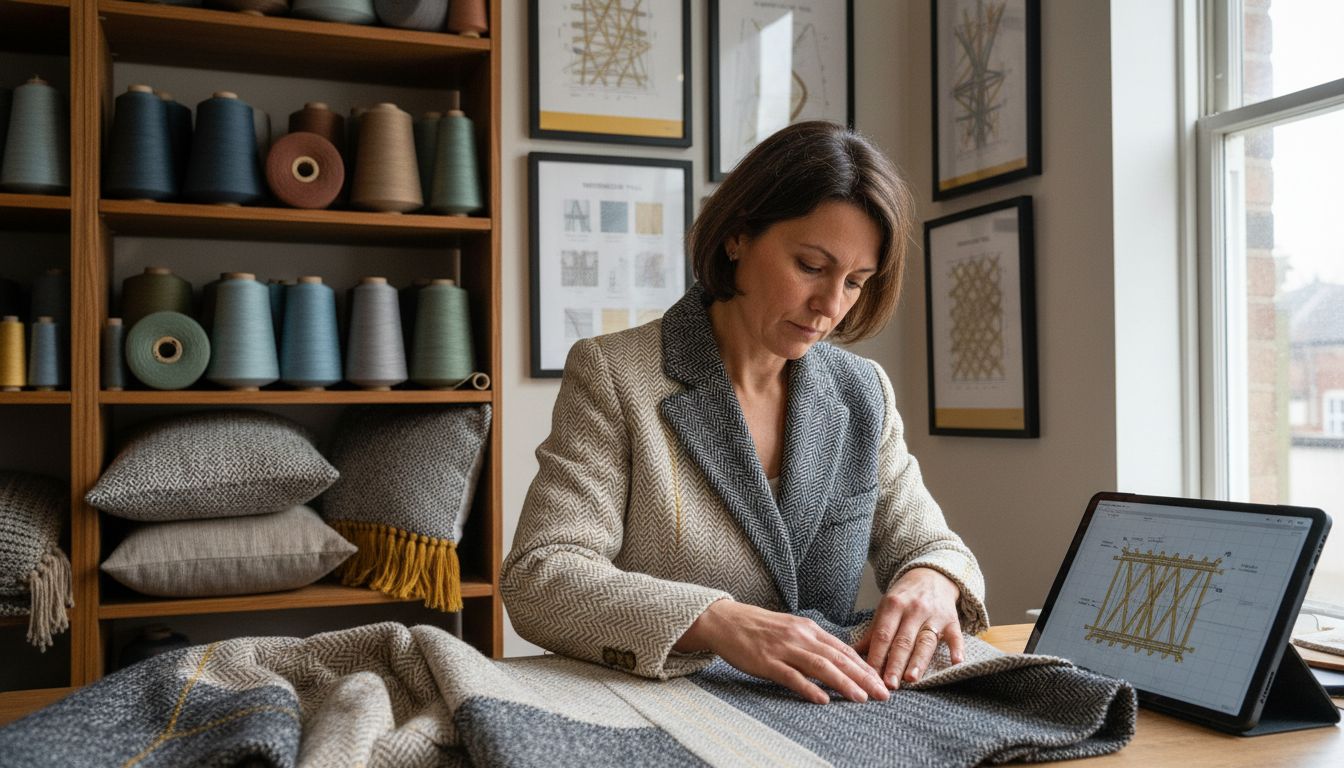
- Sweaters and cardigans with enhanced drape
- Textured blankets with superior durability
- Decorative home textile accessories
- Structured garments with better shape retention
- Intricate design patterns with pronounced diagonal lines
According to ArXiv Research, twill-back jacquard fabrics exhibit exceptional breakage resistance, making them particularly valuable for home textile products that demand both aesthetic appeal and structural integrity. How to Crochet with Yarn suggests that understanding twill yarn’s unique properties can help crafters select the most appropriate techniques and patterns for their specific projects, enabling them to create more sophisticated and long-lasting textiles.
Comparing Twill Yarn to Other Yarn Types
Yarn weave structures represent distinct textile engineering approaches, each with unique performance characteristics. Wikipedia highlights that twill is one of three fundamental weave types, distinguishing itself through fewer interlacings compared to traditional plain weaves, which translates into significant practical advantages for crafters and textile designers.
Key comparative characteristics include:
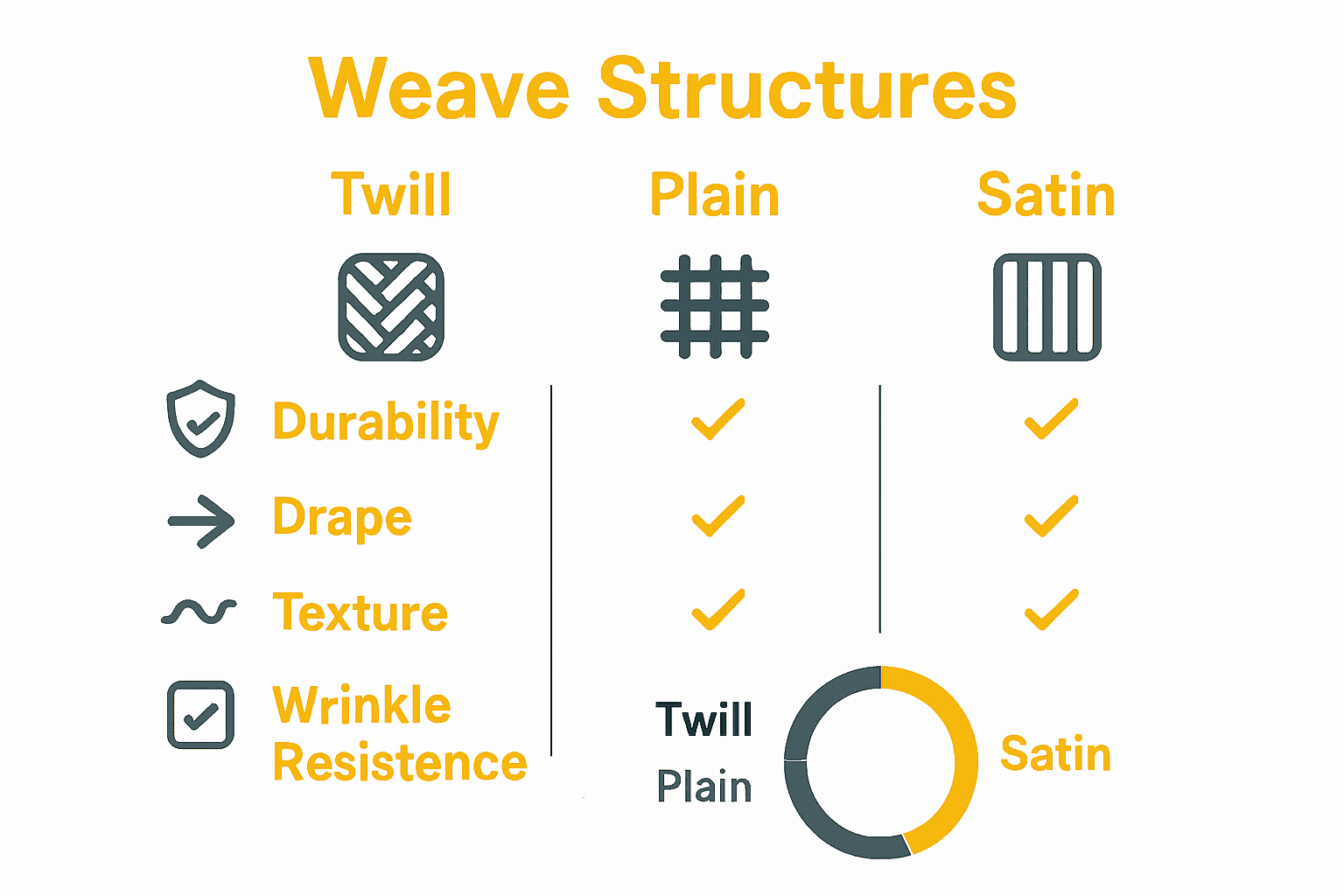
- Plain Weave: More rigid structure, less drape
- Twill Weave: Superior flexibility, better drape
- Satin Weave: Smooth surface, less durability
- Twill Weave: Enhanced durability and texture
- Structural Density: Twill allows tighter yarn packing
What is Worsted Yarn suggests that understanding yarn type differences helps crafters select materials strategically. When compared to satin weaves, Wikipedia notes that twill fabrics offer a remarkable balance between aesthetic appeal and structural integrity. Twill yarns demonstrate superior performance with better crease recovery, increased resistance to wear, and enhanced dimensional stability, making them an excellent choice for projects demanding both beauty and functionality.
Discover the Strength and Beauty of Twill Yarn for Your Next Project
Twill yarn offers a perfect blend of durability, flexibility, and unique visual texture that many crafters seek but find challenging to source in high quality. If you’re aiming to create fabrics with superior drape, wrinkle resistance, and lasting beauty, understanding twill yarn’s intricate diagonal weave is just the start. Many face the frustration of materials that wear out too quickly or lack the refined structure that twill provides. Now you can overcome these challenges with reliable, premium yarn options designed to bring your creative vision to life.
Explore our exclusive collection of Yarn tailored to offer diverse textures and strengths ideal for knitting or crocheting twill-inspired patterns and beyond.
.png)
Elevate your crafting experience today by choosing yarn that meets the demanding qualities of twill fabric. Visit CRAFTISS now to find the perfect yarn for your project and transform your designs with enhanced durability and style. Ready to carry your supplies with ease? Check out our selection of Yarn Bags to keep your tools organized while crafting masterpieces.
Frequently Asked Questions
What is twill yarn?
Twill yarn is a specialized textile made using a diagonal weaving pattern, which gives it unique properties such as durability, flexibility, and a distinct visual texture compared to traditional yarn types.
How does twill yarn differ from plain weave yarn?
Twill yarn features a diagonal rib structure, providing superior draping qualities and enhanced durability, while plain weave yarns create a more rigid fabric with less flexibility and texture.
What are the common types of twill yarn?
Common types of twill yarn include broken twill, diamond twill, elongated twill, shaded twill, zigzag twill, combined twill, and herringbone, each with unique patterns and characteristics suitable for various applications.
What applications are best suited for twill yarn in knitting and crochet?
Twill yarn is ideal for creating structured garments, sweaters, textured blankets, decorative home accessories, and intricate designs, offering both aesthetic appeal and functional durability.
