


Role of Tension in Crochet: Achieving Flawless Results
Most American crocheters discover that even small changes in tension can cause projects to shift size or lose their intended shape. It matters because mastering tension gives you the confidence to create professional-looking pieces with reliable results every time. Learning how to recognize myths and fine-tune your approach will help you build consistent stitches for every project, whether you want a structured bag or a soft, flowing shawl. Over 80 percent of crafters notice visible improvements in their work by focusing on tension control.
Table of Contents
- Defining Crochet Tension And Common Myths
- Types Of Tension And Their Effects On Projects
- Measuring, Adjusting, And Monitoring Your Tension
- Mastering Consistent Tension: Tools And Techniques
- Common Tension Mistakes And How To Fix Them
Key Takeaways
| Point | Details |
|---|---|
| Understanding Tension | Tension affects the appearance and structure of crochet projects, with various factors influencing it. Achieving consistency is more important than striving for a specific ‘perfect’ tension. |
| Types of Tension | Crochet tension ranges from tight to loose, each serving different project purposes. Moderate tension generally produces the best results for most patterns. |
| Measuring and Adjusting | Regularly creating gauge swatches helps monitor and adjust tension for consistent results throughout a project. Stitches should be checked periodically to maintain uniformity. |
| Avoiding Common Mistakes | Inconsistent grip pressure and incorrect hook sizes are common errors. Practicing consistent techniques and documenting experiences can help improve tension control. |
Defining Crochet Tension and Common Myths
Tension in crochet represents the consistent tightness or looseness of your stitches, which significantly impacts the final appearance and structure of your project. Understanding tension is more nuanced than simply creating tight or loose stitches. Professional crafters recognize that tension is a delicate balance influenced by multiple factors, including yarn type, hook size, personal technique, and individual hand mechanics.
Contrary to popular belief, achieving perfect tension is not about rigidity but about creating uniform, predictable stitches. Crochet professionals have long debunked myths surrounding tension, highlighting that there is no universal standard of “perfect” tension. Some crafters mistakenly think tighter stitches automatically produce better results, but this misconception can lead to stiff, inflexible fabrics that lack the desired drape and softness.
Common tension myths include the notion that experienced crocheters always maintain exactly the same tension and that tension cannot be adjusted. In reality, tension varies naturally with factors like mood, physical comfort, and project complexity. Skilled crocheters learn to recognize and adapt their tension, using techniques like changing hook sizes, practicing consistent hand positioning, and taking breaks to maintain even stitches. Experienced crafters understand tension as a skill to be developed, not a fixed trait.
Pro tip: Practice your tension by creating consistent gauge swatches using the same yarn, hook, and relaxed hand position before starting any significant project.
Recommended supplies for your project


Types of Tension and Their Effects on Projects
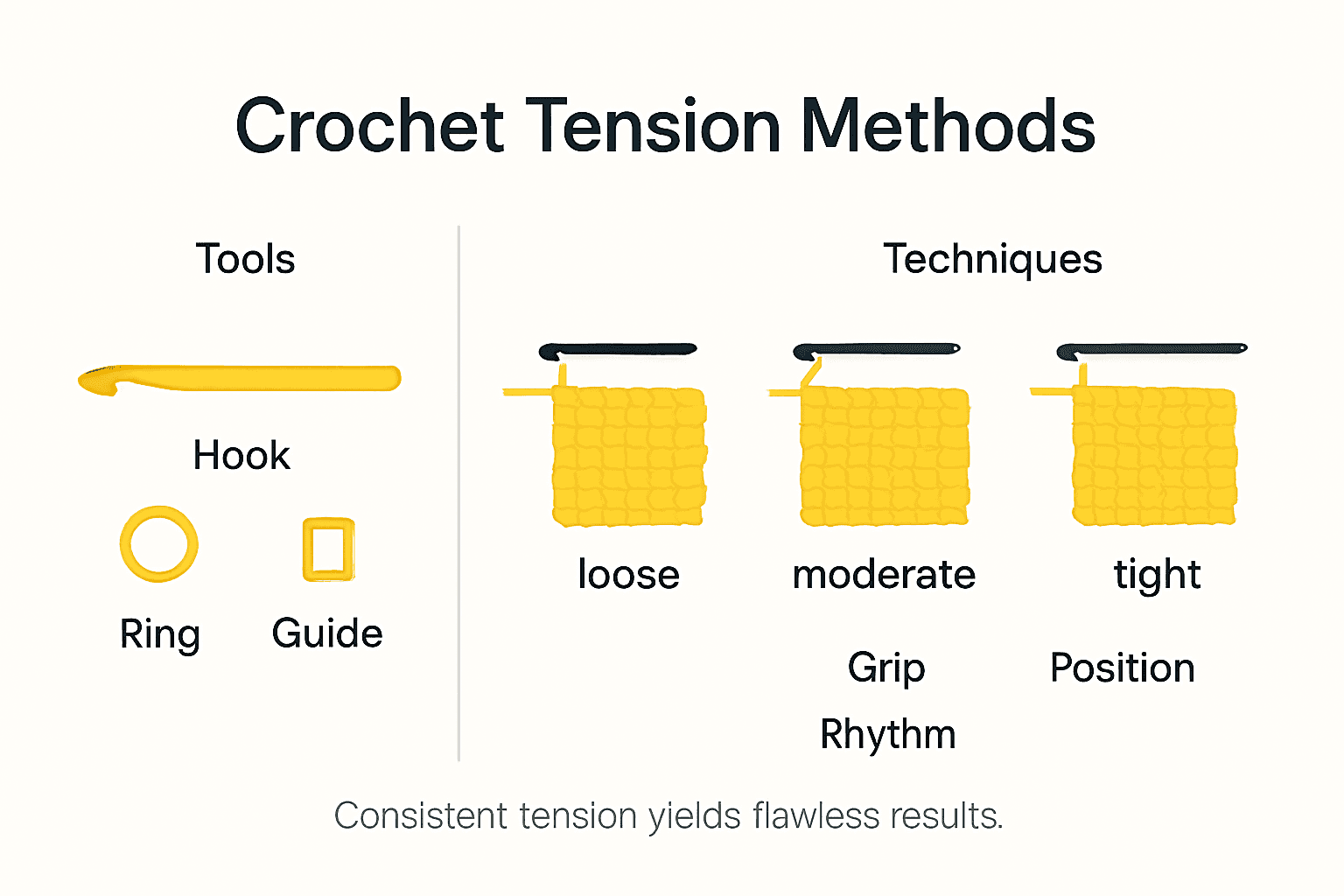
Crochet tension exists on a spectrum, ranging from extremely tight to remarkably loose, with each variation profoundly impacting the final project’s characteristics. Professional crochet guides identify three primary tension types: tight, moderate, and loose, each producing distinct textural and structural outcomes for different crafting applications.
Tight tension creates dense, structured fabrics ideal for specific projects like amigurumi figurines, sturdy bags, and structured garments. Crafters using tight tension produce stitches with minimal space between them, resulting in a compact, firm texture that maintains precise shape and provides excellent durability. However, overly tight tension can make fabric inflexible and challenging to manipulate, potentially causing hand strain during extended crocheting sessions.
Moderate tension represents the sweet spot for most crochet projects, offering a balanced approach that creates even, consistent stitches. This tension type allows for smooth fabric flow, maintains stitch definition, and provides enough flexibility for various project types. Moderate tension works exceptionally well for blankets, sweaters, and accessories where you want a predictable, uniform appearance without excessive rigidity or excessive looseness.
Loose tension produces softer, more draping fabrics with increased flexibility and movement. Shawls, lightweight sweaters, and delicate accessories benefit from this tension approach, creating ethereal, flowing textures that move gracefully. Loose tension requires careful hook and yarn selection to prevent unintended stretching or misshapen final products.
Pro tip: Create tension sample swatches using different hook sizes and techniques to understand how your personal tension influences fabric characteristics before starting complex projects.
Here’s a quick reference of how different crochet tension types affect your projects:
| Tension Type | Fabric Texture | Best For | Caution |
|---|---|---|---|
| Tight | Dense, firm | Amigurumi, bags | May cause stiffness, hand strain |
| Moderate | Balanced, uniform | Blankets, garments | Suitable for most patterns |
| Loose | Soft, draping | Shawls, accessories | Can lead to stretching, misshaping |
Measuring, Adjusting, and Monitoring Your Tension
Accurate tension measurement is fundamental to successful crochet projects, requiring a systematic approach to evaluating and controlling stitch consistency. Comprehensive crochet guides recommend creating gauge swatches as the primary method for measuring tension, providing crafters with a reliable technique to compare their personal stitch density against pattern requirements.
The gauge swatch process involves creating a small sample square using the recommended yarn and hook size specified in your project pattern. Carefully measure the number of stitches and rows within a standard measurement area, typically a 4-inch square. If your swatch differs from the pattern’s specified gauge, you’ll need to make strategic adjustments. Too many stitches per inch indicates tight tension, suggesting you should switch to a larger hook size. Conversely, fewer stitches than recommended signals loose tension, which can be corrected by using a smaller hook.
Tension monitoring extends beyond the initial swatch creation. Experienced crocheters recommend periodically checking your work during long projects to ensure consistent stitch size and tension. Factors like fatigue, stress, or changing hand positioning can subtly alter your tension, potentially creating uneven fabric texture. Techniques for maintaining consistent tension include taking regular breaks, practicing relaxation methods, and consciously maintaining a steady hand position. Some crafters find it helpful to use tension rings or finger guides to maintain uniform stitch spacing and pressure.
Advanced tension control involves understanding how different yarns and hook materials interact with your personal technique. Wool, cotton, and synthetic fibers each respond differently to tension, requiring subtle adjustments in grip and hand movement. Experimenting with various hook materials like aluminum, bamboo, or ergonomic designs can help you find the most comfortable tension management approach for your individual crafting style.
Pro tip: Create a tension journal documenting your gauge swatches, hook sizes, and yarn types to track your personal tension patterns and improve consistency across future projects.
Mastering Consistent Tension: Tools and Techniques
Tension control in crochet requires a strategic combination of specialized tools and refined techniques that help crafters maintain uniform stitch quality. Crochet tension techniques can be dramatically improved with targeted tools and practice, enabling crafters to develop more precise and professional results.
Ergonomic tools play a crucial role in tension management. Specialized tension rings, finger guides, and adjustable hook grips help crafters maintain consistent hand positioning and stitch pressure. Tension rings, which fit comfortably on fingers, provide a physical guide for yarn movement, helping regulate the yarn’s flow and preventing unintentional tightening or loosening. Some advanced crafters use digital tension trackers that provide real-time feedback on stitch uniformity, though these are more commonly used by professional designers and advanced enthusiasts.
Technical techniques complement physical tools in achieving consistent tension. Hand positioning techniques, such as maintaining a relaxed grip and developing a consistent yarn throwing motion, are fundamental to tension control. Practicing with different yarn types and weights helps crafters understand how material characteristics influence tension. Experimenting with hook materials like bamboo, aluminum, and ergonomic designs can also significantly impact tension management, as each material interacts differently with yarn and hand mechanics.
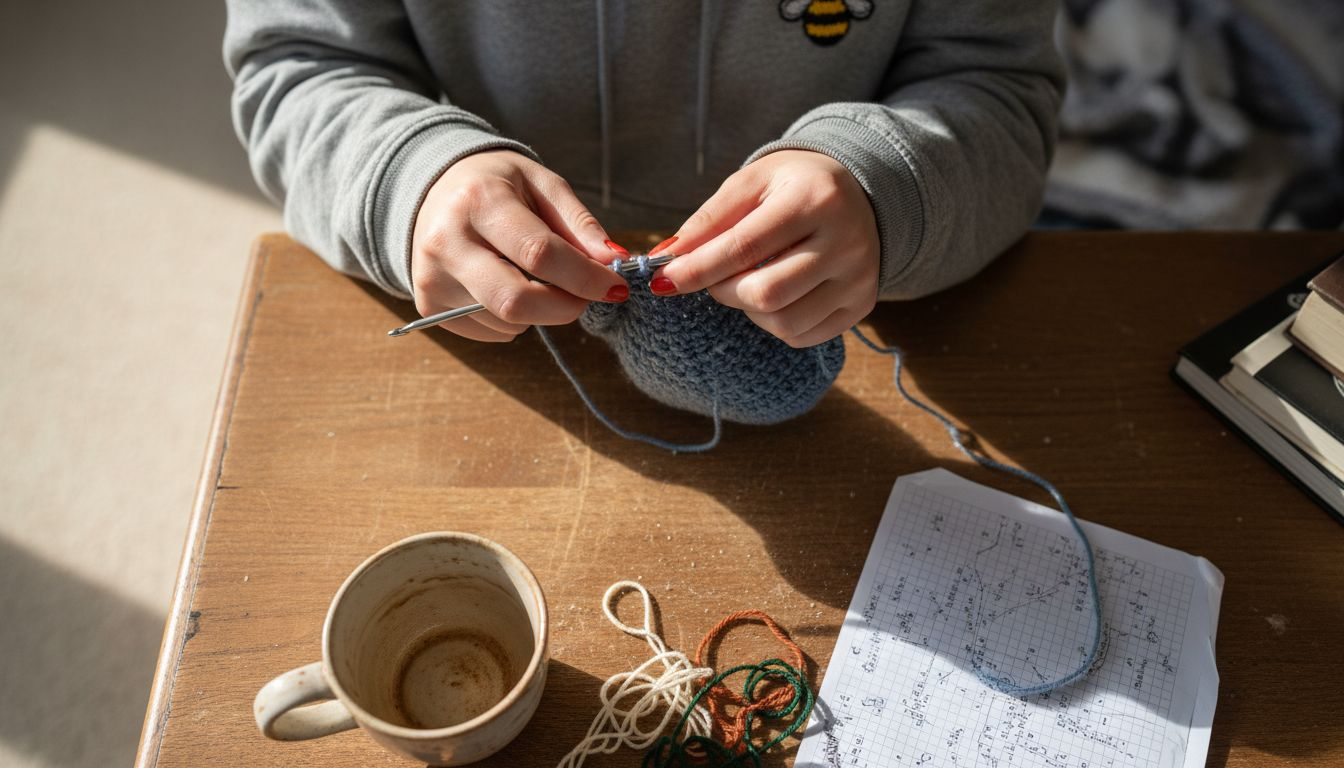
Mental and physical preparation are equally important in maintaining consistent tension. Crafters should create a comfortable working environment with proper lighting, supportive seating, and minimal distractions. Regular hand stretching, maintaining good posture, and taking periodic breaks prevent fatigue that can cause tension fluctuations. Developing a meditative, rhythmic approach to crocheting helps create muscle memory and more predictable stitch production.
Pro tip: Practice your tension techniques during short, focused sessions, gradually increasing complexity to build muscle memory and consistency.
The following table compares common tools and techniques to achieve even crochet tension:
| Method | Tool/Technique | Benefit | Example |
|---|---|---|---|
| Physical Tool | Tension ring | Maintains yarn flow | Yarn ring on finger |
| Physical Tool | Ergonomic hook | Reduces hand fatigue | Bamboo or soft-grip hook |
| Technique | Consistent hand position | Promotes uniform stitches | Relaxed, steady grip |
| Technique | Practice swatches | Builds muscle memory | Repeated gauge samples |
Common Tension Mistakes and How to Fix Them
Tension mistakes are a common challenge for crocheters at all skill levels, often resulting from unconscious habits and misunderstandings about stitch consistency. These errors can dramatically impact project quality, transforming potentially beautiful creations into misshapen or uneven pieces.
One of the most prevalent tension mistakes is maintaining inconsistent grip pressure, which leads to uneven stitch sizes throughout a project. Crafters frequently experience tension variations when switching between different sections of a pattern or when working for extended periods. To address this, practice maintaining a consistent hand position and grip tension. Use tension rings or finger guides to provide physical feedback, and take regular breaks to prevent hand fatigue that can cause unconscious grip changes. Developing muscle memory through short, focused practice sessions helps create more uniform stitching.
Another critical tension error involves using inappropriate hook sizes for specific yarn weights. Many beginners mistakenly believe that a single hook size works universally, but different yarn types and project requirements demand precise hook selection. Thick yarns require larger hooks to prevent overly tight stitches, while delicate yarns need smaller hooks to maintain stitch definition. Always create gauge swatches before starting a project, comparing your sample to the pattern requirements. If your stitches are too tight, try moving up a hook size; if they’re too loose, use a smaller hook.
Psychological factors also significantly impact tension control. Stress, distraction, and emotional state can cause unconscious tension fluctuations. Crafters often find their stitches become tighter when anxious or frustrated, and looser when overly relaxed. Create a calm crafting environment with good lighting, comfortable seating, and minimal distractions. Practice mindful breathing and maintain a relaxed but focused state while crocheting. Consider meditation or relaxation techniques to help maintain consistent hand tension and emotional equilibrium.
Pro tip: Keep a tension journal documenting your hook sizes, yarn types, and emotional state during different crafting sessions to identify patterns and improve your consistency.
Master Your Crochet Tension With the Right Tools and Supplies
Achieving flawless crochet results hinges on mastering your tension—the consistent tightness or looseness of your stitches. This article highlights common challenges such as varying tension from project fatigue and using incorrect hook sizes. If you have struggled with uneven stitch size, stiffness, or misshapen fabric due to tension issues, you are not alone. Our curated selection of premium Yarn helps you find fibers that work harmoniously with your crochet style. Plus, organizing your materials can reduce distractions and stress that disrupt your tension. Explore our functional Yarn Bags to keep your yarn tidy and maintain a relaxed workflow.
.png)
Ready to turn tension challenges into confident, consistent stitches? Visit CRAFTISS today to equip yourself with quality yarn and tools designed to enhance your hand control and overall crochet experience. Start your next project with the right supplies and feel the difference immediate tension mastery makes.
Frequently Asked Questions
What is crochet tension and why is it important?
Crochet tension refers to the tightness or looseness of your stitches, which affects the appearance and structure of your projects. Consistent tension is crucial for creating evenly sized stitches that match your pattern’s requirements, ensuring that your finished piece has the desired drape and fit.
How can I measure my crochet tension accurately?
To measure your crochet tension, create a gauge swatch using the recommended yarn and hook size from your pattern. Measure the number of stitches and rows in a standard area (usually 4 inches). Adjust your hook size if your tension does not match the pattern specifications.
What are the common tension types in crochet and their effects?
The three common tension types in crochet are tight, moderate, and loose. Tight tension creates dense, structured fabrics suitable for amigurumi or bags; moderate tension is ideal for most projects like blankets and garments; and loose tension produces soft, draping fabrics perfect for shawls and lightweight accessories.
How can I improve my tension consistency while crocheting?
You can improve tension consistency by practicing with ergonomic tools such as tension rings and adjustable hooks, maintaining a steady hand position, and regularly checking your work throughout your project. Creating tension journals to document your gauge swatches and yarn types can also help you identify patterns in your tension control.
