


Role of Hooks in Crochet: Complete Guide for Crafters
Most american crafters quickly learn that not all crochet hooks are created equal. With more than 68 percent of hobbyists ranking hook selection as essential to project success, understanding these tools goes far beyond picking a random size from the shelf. The right crochet hook transforms yarn into stunning textured designs, impacting comfort, fabric quality, and even the enjoyment of crafting. Discover what sets these small tools apart and how thoughtful choices shape every step of your crochet journey.
Table of Contents
- Defining The Role Of Hooks In Crochet
- Types Of Crochet Hooks And Materials
- How Hook Size Influences Crochet Projects
- Selecting The Right Hook For Your Yarn
- Common Mistakes And Hook Care Tips
Key Takeaways
| Point | Details |
|---|---|
| Role of Crochet Hooks | Crochet hooks are essential tools that facilitate transforming yarn into structured stitches, allowing for the creation of intricate designs in crochet projects. |
| Material Selection | Different hook materials provide varying benefits; for instance, aluminum is lightweight and smooth, while bamboo offers better grip for delicate yarns. |
| Sizing Importance | The size of a crochet hook should match the yarn weight to achieve the desired density and appearance of the finished textile. |
| Maintenance Tips | Proper care for crochet hooks, including cleaning and storing them correctly, prevents damage and ensures optimal performance in crafting. |
Defining the Role of Hooks in Crochet
Crochet hooks are the fundamental tool that transforms loose yarn into intricate textile designs through a unique looping technique. According to Wikipedia, crochet is a process of creating textiles by using a hook to interlock loops of yarn, thread, or other materials in a distinctive manner that sets it apart from knitting.
At its core, a crochet hook serves as the primary instrument for manipulating yarn into structured stitches. Unlike knitting needles, which keep multiple stitches open simultaneously, crochet hooks complete each stitch individually before moving to the next. As Pressbooks notes, these hooks come in various sizes, materials, and designs, with the critical requirement that the hook size must match the yarn thickness to create projects with appropriate fabric density and texture.
The role of crochet hooks extends beyond simple yarn manipulation. They are precision tools that allow crafters to create complex patterns, intricate designs, and versatile textile structures. Find our detailed guide on crochet hook sizes to understand how different hook specifications impact your crafting results. Hooks essentially function as an extension of the crafter’s hand, translating creative vision into tangible fabric by systematically looping and interlocking yarn with remarkable precision.
Crochet hooks are not one-size-fits-all instruments. They vary dramatically in features such as:
- Handle material (wood, aluminum, plastic)
- Throat shape (inline or tapered)
- Grip design (ergonomic or standard)
- Size ranges from tiny thread hooks to large afghan hooks
Understanding these variations helps crafters select the right tool for their specific project needs, ensuring comfortable crafting and optimal yarn manipulation.
Recommended supplies for your project


Types of Crochet Hooks and Materials
Crochet hooks are crafted from a diverse range of materials, each offering unique characteristics that impact a crafter’s experience and project outcomes. According to Knitpro, crochet hooks are available in materials including wood, bamboo, aluminum, steel, and acrylic, with each material presenting distinct advantages for different crafting styles and preferences.
Aluminum hooks are prized for their smooth surface and lightweight construction, making them a popular choice among crafters seeking consistent performance. In contrast, wooden and bamboo hooks provide a warmer tactile experience and appeal to environmentally conscious crafters. Plastic hooks offer lightweight flexibility and often come in vibrant colors, while steel hooks are renowned for their strength and precision, particularly useful for creating delicate, fine-detailed work.
Choosing the right hook material involves considering several key factors:
- Comfort during extended crafting sessions
- Project complexity and yarn type
- Personal ergonomic preferences
- Budget constraints
Explore our comprehensive crochet stitch guide to understand how different hook materials can influence your crafting techniques and project outcomes. Each material brings its own unique texture, weight, and interaction with yarn, allowing crafters to select tools that best match their individual crafting style and project requirements.
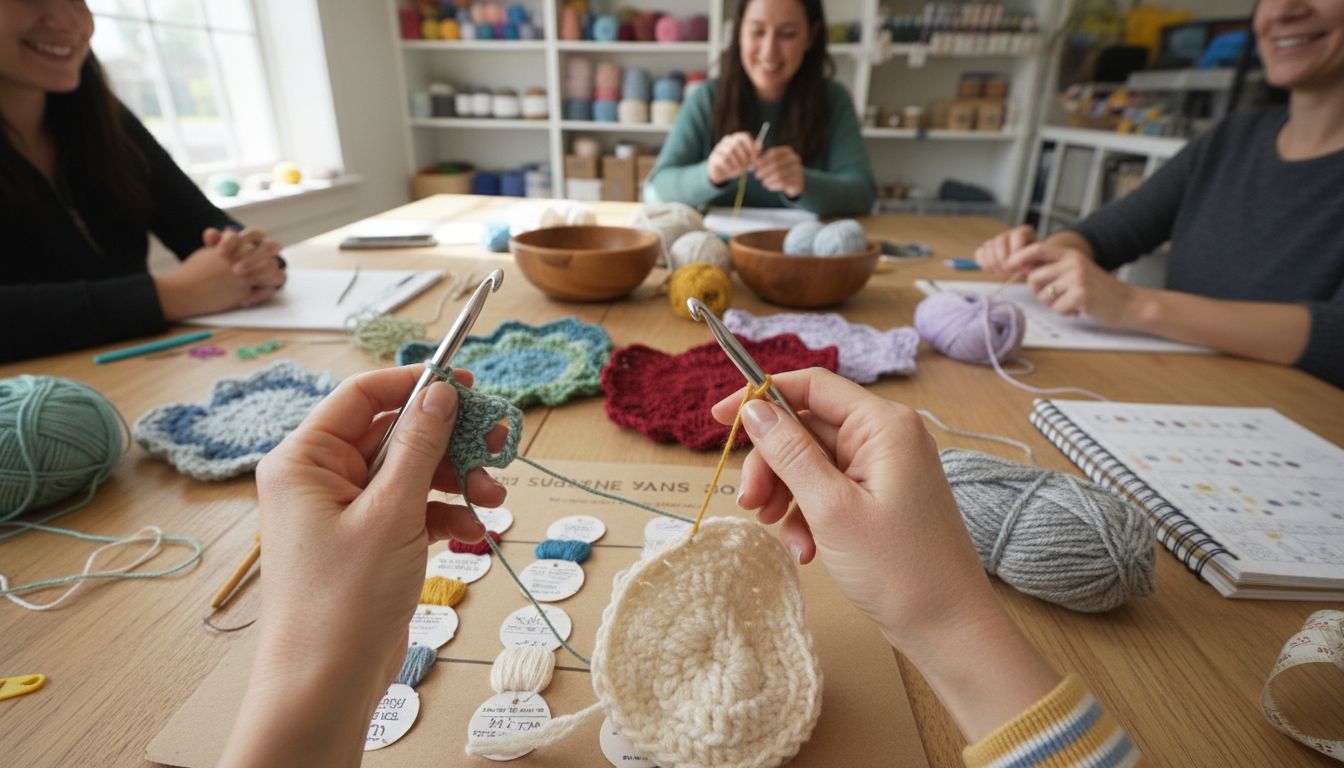
How Hook Size Influences Crochet Projects
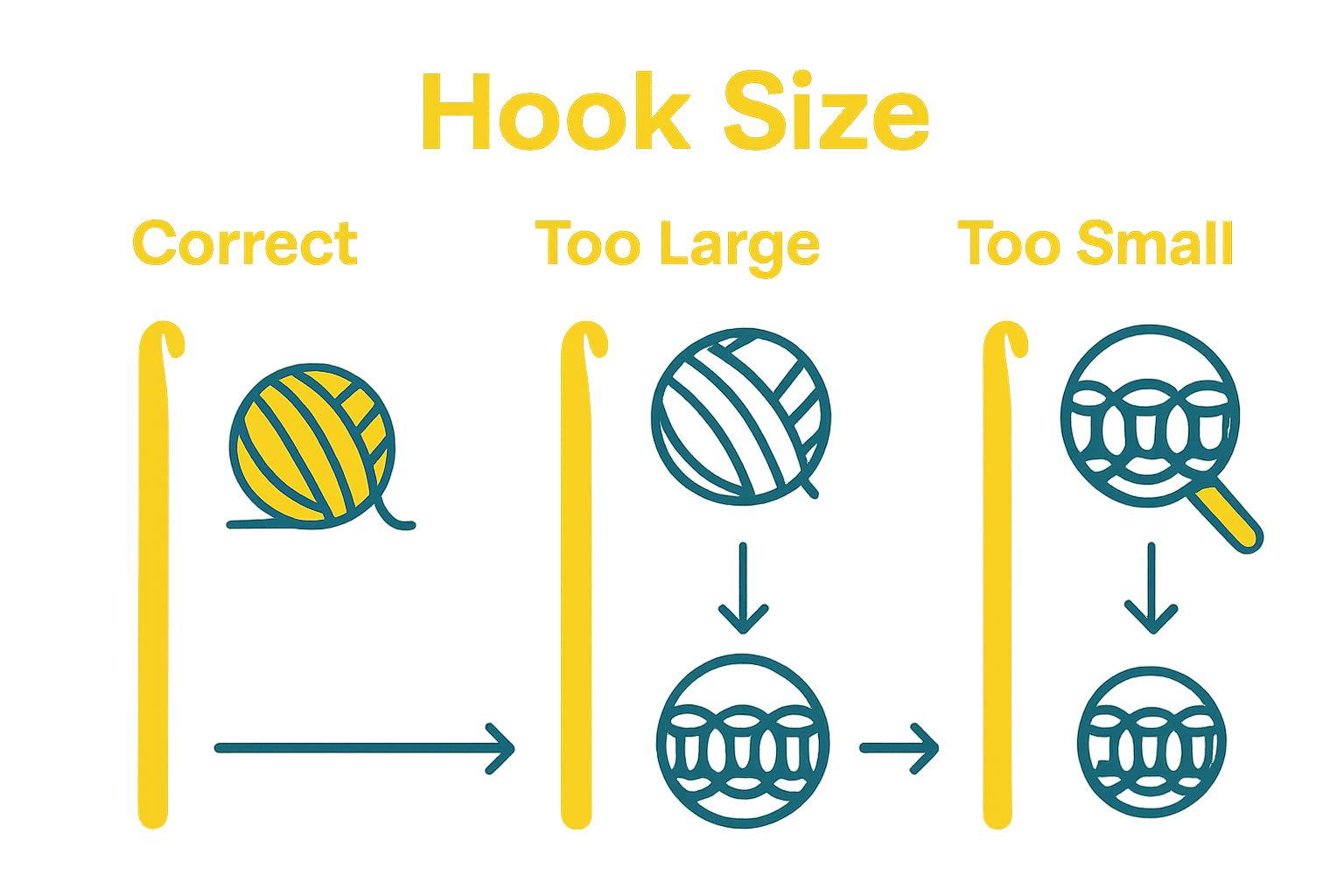
Crochet hook size is a critical factor that directly impacts the texture, appearance, and overall quality of your crafting project. According to Pressbooks, matching the size of your hook to the yarn weight is crucial for creating a crochet project with appropriate tightness, as using a hook that is too large or small can dramatically alter the fabric’s final characteristics.
Hook size fundamentally determines the size and density of your stitches. A larger hook will create looser, more open stitches with increased drape, while a smaller hook produces tighter, more compact stitches with less flexibility. This relationship means crafters must carefully select their hook size based on the specific requirements of their project, yarn type, and desired fabric texture. Using a giant hook with lightweight yarn, for instance, will result in projects with gaping holes that lack structural integrity.
Understanding hook size involves considering several key interrelated factors:
- Yarn weight and recommended hook size
- Desired fabric density and texture
- Project type (garment, accessory, home decor)
- Personal tension and crocheting style
Check out our beginner crochet tips to learn more about selecting the right hook size for your specific crafting needs. Experienced crafters know that mastering hook size selection is not just a technical skill, but an art form that transforms simple yarn and a hook into intricate, beautiful textile creations.
Selecting the Right Hook for Your Yarn
Selecting the perfect crochet hook for your yarn is a nuanced process that requires careful consideration of multiple factors. According to Knitpro, choosing the appropriate crochet hook depends critically on yarn weight and the desired fabric texture, with different hook materials offering unique advantages for specific yarn types.
Hook selection is not a one-size-fits-all approach. Aluminum hooks excel for fast stitching and smooth yarn movement, making them ideal for slick synthetic yarns. Wooden and bamboo hooks provide superior grip and control, particularly beneficial when working with slippery or delicate yarn fibers. The hook’s material can significantly impact your crafting experience, influencing stitch consistency, speed, and overall comfort during extended crafting sessions.
Key considerations when matching hooks to yarn include:
- Yarn fiber content and slipperiness
- Desired stitch definition and fabric drape
- Personal comfort and hand fatigue prevention
- Project complexity and stitch type
- Yarn weight and recommended hook size
Explore our guide on choosing yarn to gain deeper insights into yarn selection and hook pairing. Mastering this skill transforms your crochet projects from simple crafts to professional-quality textiles, ensuring each stitch reflects your unique crafting vision and technical expertise.
Common Mistakes and Hook Care Tips
Crochet hooks are precision tools that require careful handling and maintenance to ensure optimal performance. According to Knitpro, common mistakes in crochet hook usage include selecting the incorrect hook size for your yarn, which can lead to significant gauge issues and impact the overall quality of your crafting project.
Hook maintenance is a critical aspect of successful crocheting that many crafters overlook. Improper care can result in hook damage, reduced performance, and potential discomfort during extended crafting sessions. Wood and bamboo hooks, in particular, require gentle handling to prevent splintering or warping. Aluminum and steel hooks need protection from rust and should be kept dry and clean after each use. Regular inspection for signs of wear, such as rough edges or bending, can prevent potential damage to your yarn and maintain the hook’s smooth performance.
Key strategies for avoiding common hook-related mistakes include:
- Always match hook size precisely to yarn weight
- Clean hooks after each use with a soft cloth
- Store hooks in protective cases to prevent damage
- Replace hooks showing signs of wear or damage
- Practice consistent tension to reduce hook strain
Check out our beginner crochet tips to learn more about maintaining your tools and avoiding common pitfalls. Proper hook care is not just about preserving your tools, but about ensuring the highest quality crafting experience and protecting the time and creativity you invest in each project.
Elevate Your Crochet Experience with the Perfect Tools and Supplies
Understanding the vital role crochet hooks play in shaping your projects is just the beginning. Many crafters struggle with matching hook sizes to yarn types and finding ergonomic hooks that reduce hand fatigue while delivering precision. If you want to avoid common mistakes and achieve beautiful stitch consistency consider exploring quality yarn that complements the hook you choose. At CRAFTISS, we offer a curated selection of premium Yarn designed to perfectly pair with a wide range of crochet hooks and project needs.
.png)
Ready to master your craft with the right materials? Shop our yarn collection today at CRAFTISS and take control of your crochet journey by combining top-tier yarn with your preferred hook style. Plus, keep your tools organized and protected by browsing our durable Yarn Bags to elevate your crafting space and boost your creative flow.
Frequently Asked Questions
What are the main types of crochet hooks?
Crochet hooks come in various types, including aluminum, wood, bamboo, plastic, and steel. Each material has unique characteristics that affect comfort, grip, and performance during crocheting.
How does hook size affect my crochet project?
Hook size significantly impacts the size, density, and texture of your stitches. Using a larger hook creates looser stitches, while a smaller hook produces tighter, more compact stitches. Matching the hook size to your yarn weight is crucial for achieving the desired fabric characteristics.
What are common mistakes when selecting a crochet hook?
Common mistakes include choosing a hook size that doesn’t match your yarn weight, which can lead to gauge issues. Additionally, neglecting hook maintenance can result in damage or discomfort during extended crocheting sessions.
How can I maintain my crochet hooks for optimal performance?
To maintain your crochet hooks, clean them after each use with a soft cloth, store them in protective cases, and inspect them regularly for signs of wear. Proper care will help ensure smooth performance and longevity of your hooks.
Recommended
- Crochet Hook Sizes Explained: Complete Sizing Guide – CRAFTISS
- How to crochet with yarn: your ultimate beginner’s guide to mastering – CRAFTISS
- Crochet Stitch Guide: Master Essential Stitches Easily – CRAFTISS
- History of Crochet: Everything You Need to Know – CRAFTISS
- Tent J-Hooks (Inner Connection): Essential Setup Tips - Tent Explorer
