


Crochet Hook Sizes Explained: Complete Sizing Guide
Finding the right crochet hook size can feel like solving a puzzle, especially for american crafters faced with countless options at every craft store. Choosing the wrong size leads to uneven stitches, warped projects, and wasted hours of effort. With over half of beginners reporting frustration when deciphering hook standards, learning about sizing systems and how they impact your work becomes essential. This guide helps you understand american hook sizing, key differences with other systems, and practical steps to match tools and patterns for beautiful results.
Table of Contents
- Defining Crochet Hook Sizes And Standards
- Us Versus Metric Crochet Sizing Systems
- How Hook Size Impacts Crochet Projects
- Matching Yarn Weights And Hook Sizes
- Common Mistakes When Selecting Hook Sizes
Key Takeaways
| Point | Details |
|---|---|
| Understanding Sizing Systems | Familiarize yourself with steel and letter-based sizing systems to select the correct crochet hook. |
| Matching Hook to Yarn | Always pair your hook size with the corresponding yarn weight for optimal results. |
| Importance of Gauge | Perform a gauge swatch to validate your hook choice and ensure accurate project dimensions. |
| Recognizing Regional Variations | Be aware of different crochet hook sizing systems internationally to avoid confusion with patterns and purchases. |
Defining Crochet Hook Sizes and Standards
Understanding crochet hook sizes is crucial for crafting success, as these measurements determine the final look and feel of your project. Crochet.org highlights two primary sizing systems that crafters encounter: one for steel hooks and another for aluminum, plastic, and wooden hooks.
The steel hook system uses numerical designations ranging from 00 to 14, with sizes moving from larger (3.5mm) to smaller (0.75mm). In contrast, the letter-based system applies to aluminum, plastic, and wooden hooks, spanning sizes from B (2.25mm) to S (19mm). This variation can initially confuse beginners, but understanding these standards helps ensure consistent stitch quality and project dimensions.
Historically, manufacturers have approached hook sizing with subtle variations. Antique Pattern Library documents these nuanced differences, revealing how thread sizes traditionally corresponded with specific hook dimensions. Modern crafters benefit from standardized sizing charts that provide precise millimeter measurements, eliminating much of the historical ambiguity.
Key considerations when selecting crochet hook sizes include:
- Matching hook size to yarn weight
- Understanding personal tension and gauge
- Checking project pattern recommendations
- Recognizing international sizing differences
Whether you’re a beginner or an experienced crafter, mastering hook size standards is your gateway to creating beautifully consistent crochet projects.
Recommended supplies for your project


US Versus Metric Crochet Sizing Systems
International crochet hook sizing can be a complex landscape for crafters, with multiple systems creating potential confusion. Sofst.org reveals the fascinating variations across different regions, highlighting how countries approach hook sizing uniquely.
In the United States, crocheters typically use a letter and number system for hook sizes, which can seem counterintuitive to newcomers. The standard US system ranges from the smallest B hook (2.25mm) to larger hooks like K (6.5mm) and beyond. By contrast, metric systems used in countries like Australia and New Zealand provide direct millimeter measurements, offering a more straightforward approach to understanding hook dimensions.
Traditional sizing systems reveal complex historical developments. Antique Pattern Library documents how manufacturers historically created unique sizing standards, with thread sizes corresponding to specific hook dimensions. This historical variation explains why modern crafters often need conversion charts to navigate different regional sizing approaches.
Key differences in crochet hook sizing systems include:
- US letter/number system
- Metric millimeter measurements
- UK numerical sizing
- Variations in regional standards
When working with international patterns or purchasing hooks from different regions, understanding these sizing nuances becomes crucial for selecting the right tool. For precise project results, always confirm the exact millimeter measurement of your hook, regardless of the labeling system.
How Hook Size Impacts Crochet Projects
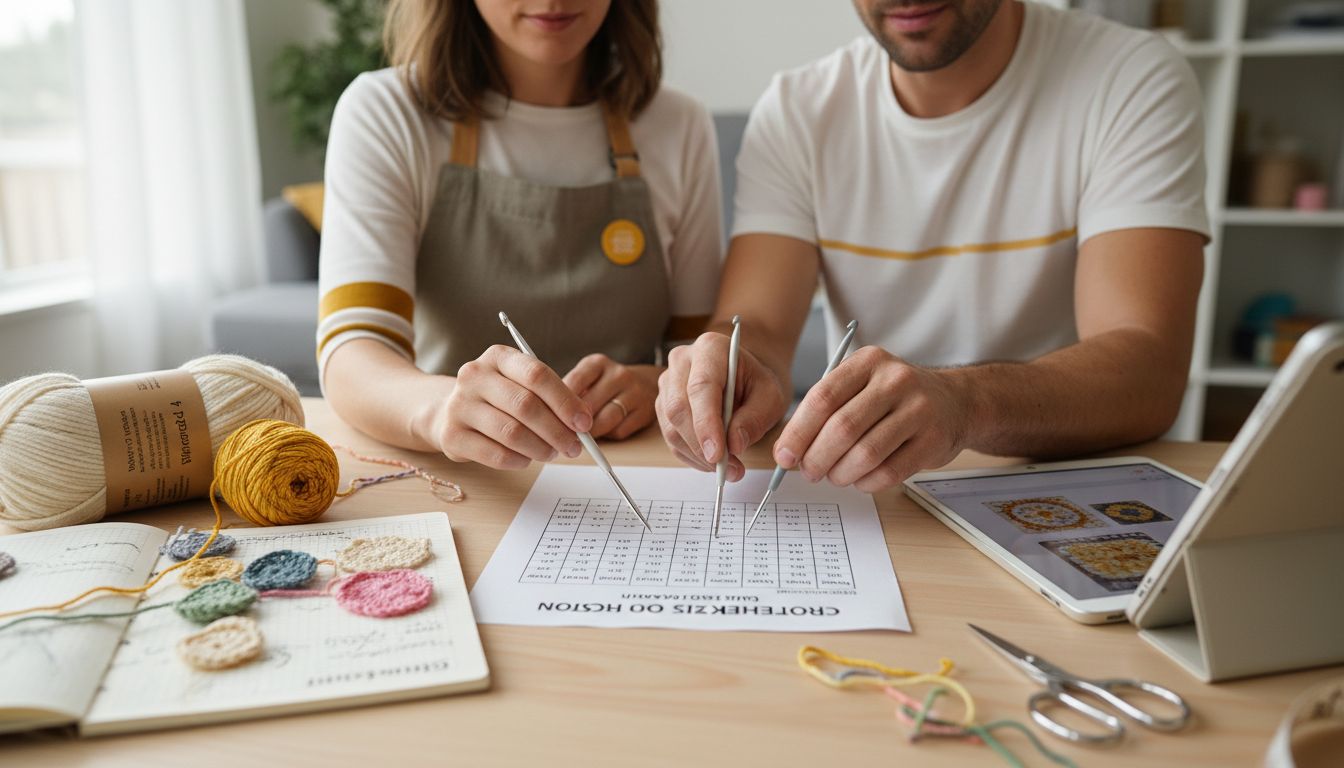
Cdhp.org emphasizes that selecting the right crochet hook size is fundamental to project success, with each hook dramatically influencing the final fabric’s appearance, drape, and structural integrity. Hook size is not just a technical detail but the critical foundation of every crochet creation.
The relationship between hook size and yarn is intricate and nuanced. Sofst.org explains that hook dimensions directly determine the size of yarn loops, which fundamentally affects the texture and overall aesthetic of your project. A smaller hook creates tighter, more compact stitches, while a larger hook produces looser, more expansive fabric with increased drape and softness.
Practical implications of hook sizing extend across various project types. Blankets require different hook approaches compared to delicate lace shawls or structured amigurumi toys. Tight, small hooks work best for creating firm, structured items like toys or decorative elements. Conversely, larger hooks excel in creating lightweight, flowing garments with excellent breathability and movement.
Key project considerations when selecting hook size:
- Matching hook to yarn weight
- Desired fabric density
- Project’s intended use and functionality
- Personal tension and crocheting style
- Pattern-specific recommendations
By understanding how hook size transforms your creative vision, you’ll unlock the potential to craft precisely the texture, drape, and structure you desire in every project.
Matching Yarn Weights and Hook Sizes
Cdhp.org highlights the critical relationship between yarn weight and hook size, emphasizing that selecting the perfect pairing is fundamental to creating successful crochet projects. Understanding this delicate balance transforms amateur crafting into professional-level artistry.
Sofst.org explains the nuanced principle that hook size should directly correspond with yarn thickness. Thicker yarns require larger hooks to create appropriate stitch sizes, while delicate, thin yarns demand smaller hooks to maintain structural integrity and desired fabric density.
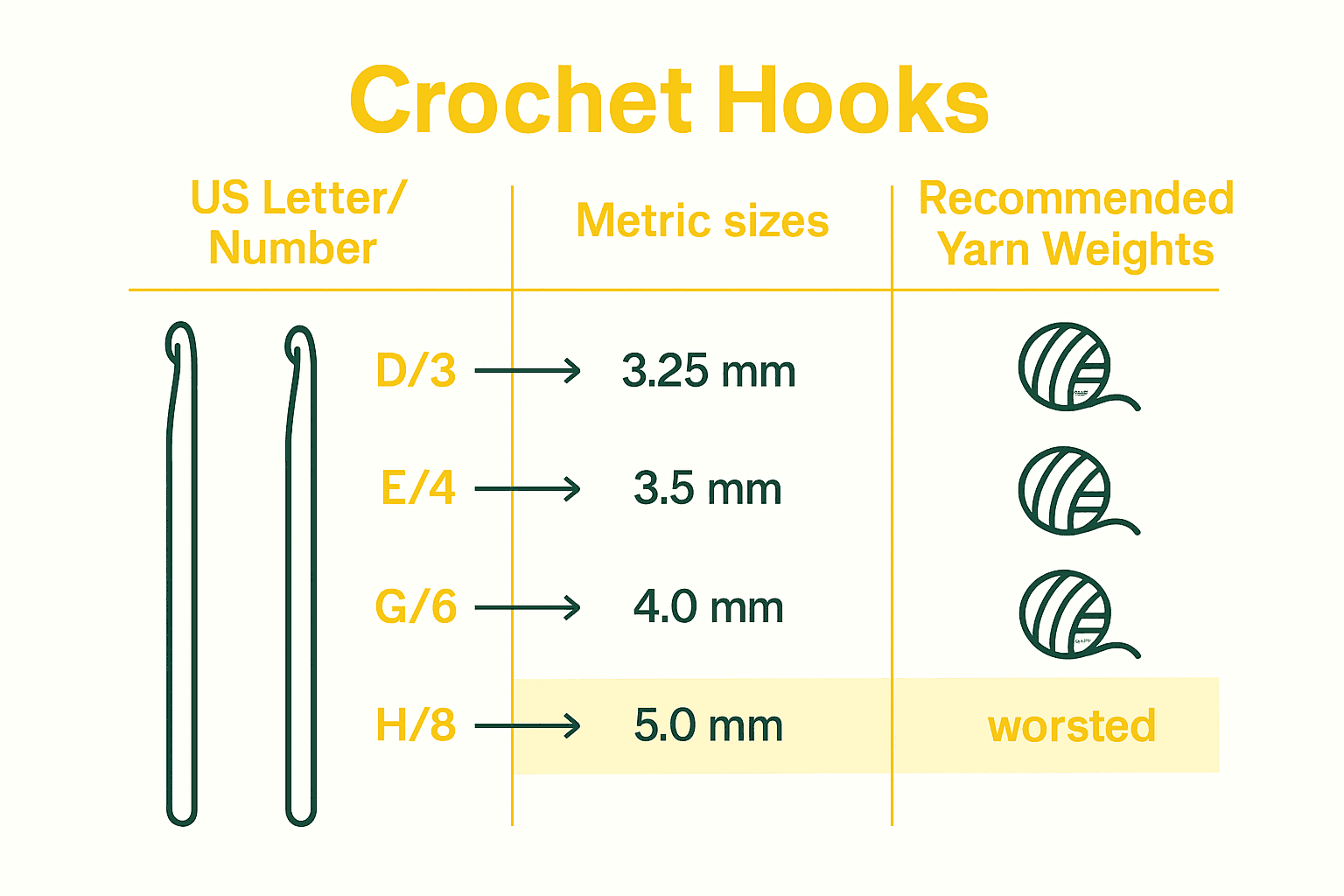
Specific yarn weight categories demand precise hook size considerations. Lace weight yarns typically require hooks between 1.5-2.5mm, while bulky yarns work best with 6.5-9mm hooks. Sport and fingering weight yarns occupy the middle ground, usually pairing well with 3-4.5mm hooks. These recommendations ensure consistent stitch definition, proper drape, and the intended textural quality of your finished piece.
Key matching guidelines for yarn and hook sizes:
- Always check your specific pattern’s recommended hook size
- Consider your personal tension and crocheting style
- Test a small gauge swatch before starting your project
- Remember that different brands may have slight variations
- Adjust hook size to achieve desired fabric density
Perfecting the art of matching yarn weights and hook sizes opens up endless creative possibilities for crafters of all skill levels.
Common Mistakes When Selecting Hook Sizes
Cdhp.org warns that gauge is the most critical factor when selecting hook sizes, and overlooking this fundamental aspect can lead to disastrous project outcomes. Crafters frequently make the mistake of assuming one-size-fits-all approaches will work across different yarns and patterns.
Ignoring the yarn label’s recommendations is another significant error. Sofst.org advises that when no specific pattern is available, the hook size printed on the yarn label serves as an essential starting point. However, personal tension and individual crocheting style can dramatically impact the final result, making a simple test swatch crucial before committing to a full project.
Beyond basic sizing, crafters often fail to consider the subtle nuances of project requirements. Different techniques demand specific hook approaches. Amigurumi requires tight, small hooks for structured forms, while shawls need larger hooks to create delicate, flowing fabrics. Blindly following generic recommendations without understanding your specific project’s needs can lead to disappointing results.
Key mistakes to avoid when selecting hook sizes:
- Skipping the gauge swatch test
- Ignoring pattern-specific hook recommendations
- Using the same hook size for all yarn weights
- Failing to adjust for personal tension
- Overlooking the project’s intended texture and drape
Mastering hook size selection is an art form that combines technical knowledge with creative intuition. Your willingness to experiment and learn will transform potential mistakes into valuable crafting insights.
Master Your Crochet Projects with Perfect Tools from CRAFTISS
Choosing the right crochet hook size is essential to avoid common crafting pitfalls like inconsistent gauge and fabric texture. This guide helps you understand how hook size influences your project’s look and feel and why matching your hook to the yarn weight is key to success. If you have ever struggled to find hooks and yarn that truly work together or needed reliable resources to guide your creative journey crafting becomes a much more rewarding experience when you have the right materials.
.png)
Explore our premium selection of quality Yarn designed to pair beautifully with a variety of crochet hook sizes ensuring your stitches turn out just as expected. Protect and organize your supplies with stylish Yarn Bags that keep you crafting without hassle. Start your next project today with confidence by visiting CRAFTISS for expert-curated products that make mastering crochet hook sizes easier than ever. Don’t wait to bring your crochet creations to life—discover the perfect tools and yarn now.
Frequently Asked Questions
What are the different crochet hook sizing systems?
There are two main crochet hook sizing systems: the steel hook system, which uses numerical designations from 00 to 14, and the letter-based system for aluminum, plastic, and wooden hooks, ranging from B (2.25mm) to S (19mm).
How does hook size affect my crochet projects?
Hook size dramatically influences the final appearance and texture of your crochet work. A smaller hook creates tighter stitches, while a larger hook yields looser, more flowing fabric. This choice impacts the look, drape, and overall integrity of the finished item.
How should I match yarn weight with crochet hook size?
To achieve successful projects, match the yarn weight with the appropriate hook size. Generally, thicker yarns require larger hooks, while thinner yarns necessitate smaller hooks. Always refer to specific recommendations for your yarn type to maintain the desired fabric density and stitch definition.
What are common mistakes when selecting the right hook size?
Common mistakes include skipping the gauge swatch test, ignoring pattern recommendations, and using a one-size-fits-all approach. Different projects require specific hook sizes, so adjustments based on personal tension and intended texture are essential for achieving successful results.
