


Why Mix Yarn Textures: Creative Benefits Explained
Most American crochet enthusiasts discover that mixing yarn textures is the secret to transforming simple projects into works of art. Over 60 percent of intermediate crafters say creative texture blends add depth and excitement to their finished pieces. Figuring out how to combine smooth wool with fuzzy mohair or chunky boucle with silky strands can be both inspiring and challenging. This guide delivers fresh ideas and practical techniques to help you confidently experiment and achieve stunning results.
Table of Contents
- What Mixing Yarn Textures Means
- Types of Yarn Textures for Crochet
- Enhancing Projects With Creative Texture Blends
- Techniques for Successfully Mixing Textures
- Common Mistakes and How to Avoid Them
Key Takeaways
| Point | Details |
|---|---|
| Mixing Yarn Textures | Combining different yarn textures creates unique visual and tactile experiences in textile projects. |
| Yarn Types and Characteristics | Understanding various yarn textures enhances project complexity and functional attributes. |
| Techniques for Blending | Use matching weight and elasticity to ensure consistent results while mixing yarns. |
| Common Mistakes | Avoid mismatching yarn properties to prevent uneven fabric and hidden stitch patterns. |
What Mixing Yarn Textures Means
Mixing yarn textures is a sophisticated crafting technique that transforms ordinary projects into extraordinary creations. At its core, yarn texturing involves intentionally combining different fiber structures to produce unique visual and tactile experiences in textile work.
This creative approach goes beyond simple color selection. Crafters strategically blend yarns with varying physical characteristics such as thickness, sheen, elasticity, and surface complexity. By combining smooth merino wool with a fuzzy mohair, or pairing a sleek silk yarn with a rustic handspun texture, artists create depth, dimension, and compelling sensory narratives within their work.
The primary benefits of mixing yarn textures include enhanced visual interest, increased project complexity, and improved functional properties. Different yarn textures can create intentional variations in drape, warmth, and structural integrity. Alpaca might provide softness, while a cotton blend adds structure. Silk can introduce luminosity, while wool contributes warmth and resilience.
Pro tip: When first experimenting with texture mixing, start with two yarns that share a similar weight to maintain consistent stitch definition and prevent uneven fabric formation.
Recommended supplies for your project


Types of Yarn Textures for Crochet
Crochet crafters have a rich palette of yarn textures to explore, with each type offering unique characteristics that transform projects. Textile research identifies ten major textured yarn categories, including bulked, coil, crinkle, and entangled varieties that provide distinct visual and tactile experiences.
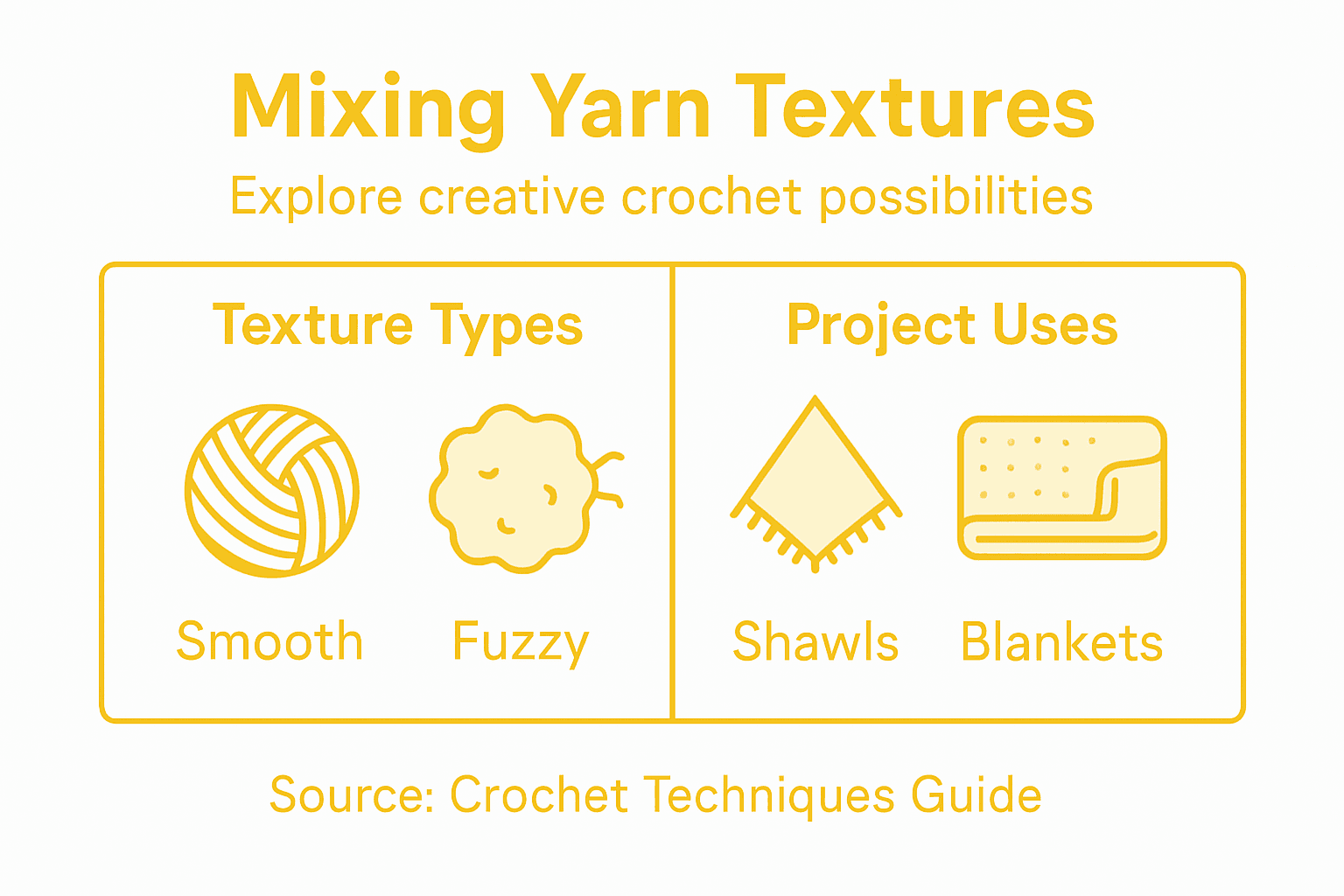
The primary yarn textures used in crochet can be broadly categorized into several key types. Smooth yarns like cotton and acrylic provide crisp stitch definition and clean lines. Fuzzy yarns such as mohair and brushed wool introduce a soft, ethereal halo effect. Boucle yarns create interesting looped surfaces with tactile bumps, while novelty yarns like chenille and eyelash offer unprecedented visual complexity.
Each yarn texture brings specific qualities to a project. Smooth yarns work best for intricate stitch patterns requiring sharp definition. Fluffy textures add warmth and visual softness, perfect for cozy winter accessories. Textured yarns like boucle can camouflage minor imperfections and add interesting dimensionality to simple stitch patterns, making them ideal for beginners seeking forgiving project techniques.
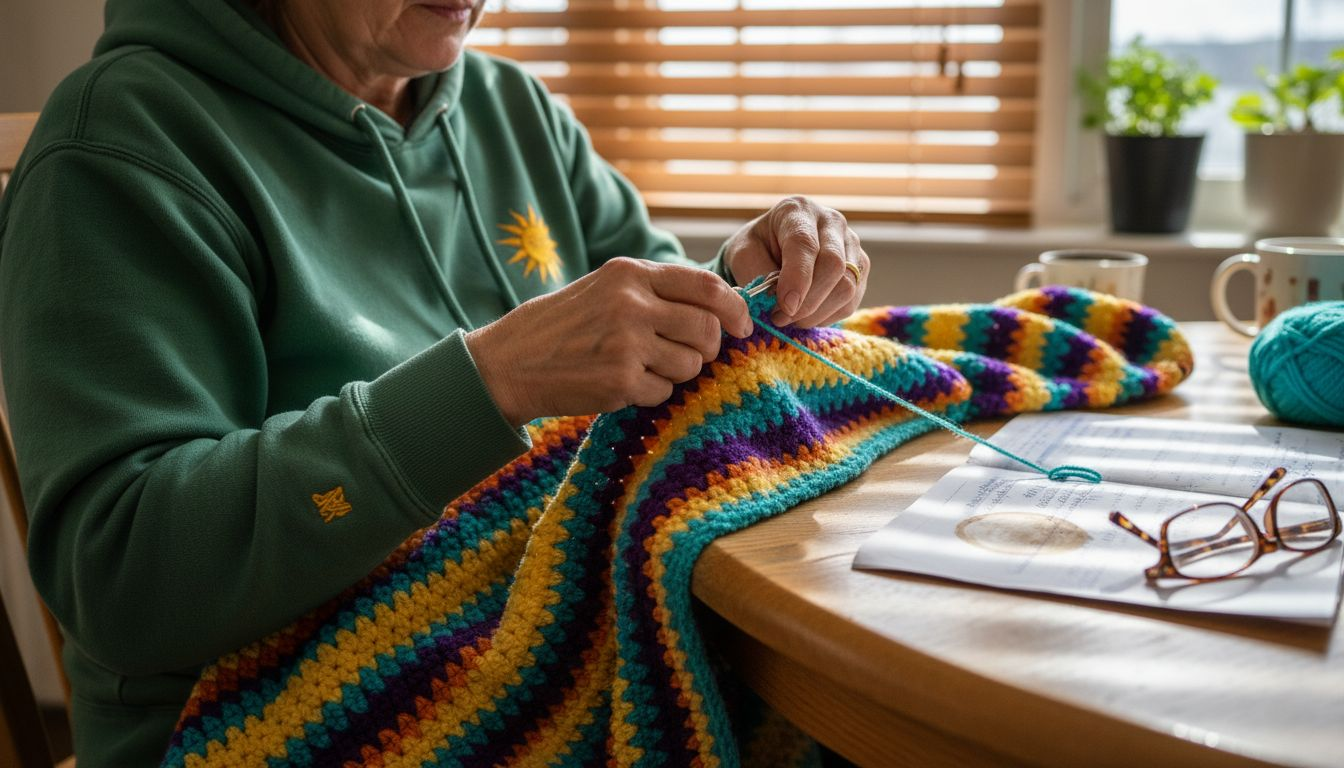
Pro tip: When combining different yarn textures, select fibers with similar weight classifications to ensure consistent tension and prevent uneven fabric formation.
Here is a quick comparison of common yarn textures and their key characteristics:
| Yarn Texture Type | Typical Use | Visual Impact | Tactile Feel |
|---|---|---|---|
| Smooth (Cotton, Acrylic) | Stitch definition, patterns | Crisp and clean lines | Soft, little fuzz |
| Fuzzy (Mohair, Brushed Wool) | Scarves, cozy wearables | Soft halo, blended edges | Warm, with surface haze |
| Boucle | Simple patterns, accessories | Looping, bumpy surface | Springy, highly textured |
| Novelty (Chenille, Eyelash) | Accent rows, statement pieces | Dramatic, complex look | Plush, tactile richness |
Enhancing Projects With Creative Texture Blends
Crochet artists can transform ordinary projects into extraordinary masterpieces by strategically blending yarn textures. Crochet texture techniques offer crafters an exciting way to add visual depth, tactile complexity, and unique dimensionality to their work.
Creative texture blending involves thoughtful combinations that highlight each yarn’s distinctive qualities. For instance, pairing a smooth silk yarn with a fluffy mohair can create stunning contrast in a single piece. Soft alpaca might be combined with crisp cotton to balance warmth and structure, while a slick bamboo yarn could add luminosity when interwoven with a matte wool texture. These intentional pairings allow crafters to design pieces that are not just functional but truly remarkable.
Successful texture blending requires understanding each yarn’s inherent characteristics. Fuzzy yarns can soften sharp geometric patterns, while smooth yarns provide clean definition. Chunky textured yarns can add visual weight to lightweight designs, and delicate novelty yarns can introduce unexpected visual interest. The key is balancing different textures to create harmonious yet dynamic fabric compositions that draw the eye and engage the sense of touch.
Pro tip: Before committing to a full project, create a small swatch combining your chosen yarn textures to preview how they interact and complement each other.
Techniques for Successfully Mixing Textures
Yarn texturizing techniques require careful consideration of each fiber’s unique properties and potential interactions. Successful texture mixing is an art form that demands precision, understanding, and strategic planning from experienced crochet artists.
The foundation of effective texture blending lies in understanding yarn compatibility. Crafters should focus on matching yarns with similar weight classifications, comparable elasticity, and complementary fiber characteristics. This might mean pairing a soft alpaca with a lightweight merino, or combining a smooth silk strand with a fuzzy mohair to create intriguing visual and tactile contrasts. Careful selection prevents potential issues like uneven tension, unexpected fabric distortion, or inconsistent drape.
Advanced mixing techniques include strategic layering, alternating yarn strands, and intentional tension variations. Some artists create depth by introducing thin, smooth yarns as accent strands within bulkier textured bases. Others experiment with graduated texture transitions, gradually introducing more complex yarn structures to create subtle, sophisticated fabric compositions. Blocking techniques can further enhance these blended textures, helping to normalize fabric appearance and integrate different yarn characteristics more seamlessly.
Pro tip: Always create a small test swatch before committing to a full project, using your planned yarn texture combinations to preview their interaction and ensure harmonious results.
Common Mistakes and How to Avoid Them
Combining yarn textures and colors requires strategic planning to prevent common pitfalls that can compromise your crochet project’s quality and appearance. Understanding these potential errors is crucial for creating professional-looking, harmonious textile designs.
One of the most frequent mistakes involves mismatching yarn properties. Crafters often underestimate the importance of fiber compatibility, leading to unexpected fabric distortions. Stretch differences can cause significant issues, with some yarns expanding while others remain rigid. For instance, combining a highly elastic wool with a rigid cotton can result in uneven stitches and irregular garment shape. Fiber content matters tremendously - natural fibers behave differently from synthetic ones, and mixing them without consideration can lead to uneven wear, unexpected shrinkage, or inconsistent texture.
Visual complexity can also become a challenge when mixing textures. Overly fuzzy yarns can obscure intricate stitch patterns, while extremely different yarn weights can create structural imbalances. Delicate lace patterns might disappear when combined with chunky, textured yarns, and extremely thin strands might get lost when integrated with bulky base yarns. Successful texture mixing demands a nuanced understanding of each yarn’s visual and structural characteristics, requiring careful selection and strategic placement.
Use this table to help troubleshoot common texture mixing mistakes and choose the right solution:
| Problem When Mixing Textures | Possible Cause | Suggested Solution |
|---|---|---|
| Distorted or uneven fabric | Mismatched yarn weights/stretch | Match yarn weights and elasticity |
| Stitch pattern gets hidden | Overly fuzzy or bulky yarn | Use smoother textures for detail |
| Fabric feels uncomfortable | Incompatible fiber content | Blend similar fibers (e.g. all natural) |
Pro tip: Create a detailed yarn compatibility chart documenting each yarn’s stretch, weight, fiber content, and visual characteristics to guide your texture mixing decisions.
Elevate Your Crochet Creations by Mastering Yarn Texture Mixing
Struggling to find the perfect balance when combining yarn textures? Understanding how to blend different yarn weights, fiber contents, and tactile qualities can transform your projects, but it often leads to frustrations like uneven fabric or hidden stitch details. Our carefully curated selection of premium yarns at Yarn – CRAFTISS offers diverse textures designed to complement each other. This makes experimenting with texture blends easier and more rewarding.
.png)
Unlock the full creative potential of your crochet works with yarns that inspire innovation and harmony in every stitch. Visit https://craftiss.com today for high-quality yarn options and discover essential supplies that support your artistic vision. Take your craftsmanship to new heights by exploring tools and accessories crafted just for passionate crafters like you.
Frequently Asked Questions
What are the benefits of mixing yarn textures in crochet?
Mixing yarn textures enhances visual interest, adds complexity to projects, and improves functional properties such as warmth and drape. Different yarns can create unique sensory experiences and deliver different tactile qualities to your final piece.
How can I start mixing different yarn textures effectively?
Begin by selecting two yarns that have similar weights and compatible characteristics. This will help maintain consistent stitch definition and avoid uneven fabric formation. It’s also a good idea to create a small swatch to preview how the yarns interact before starting your project.
What types of yarn textures are commonly used in crochet?
Common yarn textures include smooth yarns (like cotton and acrylic) for clear stitch definition, fuzzy yarns (such as mohair) for warmth, boucle for interesting surfaces, and novelty yarns for unique visual effects. Each type brings different qualities to your projects.
What mistakes should I avoid when mixing yarn textures?
Avoid mismatching yarn properties like weight and elasticity, which can lead to uneven fabric. Additionally, be cautious of overly fuzzy yarns hiding intricate stitch patterns. It’s essential to consider each yarn’s visual and structural characteristics for successful blending.
