

Most American crafters know the frustration when a sweater loses its shape or socks sag after one wash. Elastic yarn has changed this experience in creative communities, offering solutions that combine comfort and resilience. With its ability to stretch up to five times its original length without losing strength, elastic yarn introduces options for projects ranging from supportive activewear to custom-fit accessories, giving makers a new edge in handmade design.
Table of Contents
- What Is Elastic Yarn And Why It Matters
- Major Elastic Fiber Types For Yarn Crafters
- How Elastic Yarn Works In Crochet And Knitting
- Best Uses For Elastic Yarn In Projects
- Common Pitfalls And How To Avoid Them
Key Takeaways
| Point | Details |
|---|---|
| Elastic Yarn Provides Flexibility | Elastic yarn allows for extraordinary stretch and recovery, making it ideal for form-fitting designs in various textile projects. |
| Enhanced Comfort and Performance | Utilizing elastic yarn can significantly improve garment fit, durability, and fabric recovery, crucial for activewear and adaptive clothing. |
| Key Fiber Types to Know | Crafters should familiarize themselves with elastic fiber types like Elastane, Polyurethane, and Rubber-based Fibers to choose the right material for their projects. |
| Attention to Crafting Techniques | Proper tension management and care in blending fibers are essential to maintaining the elastic properties of yarn for optimal results. |
What Is Elastic Yarn And Why It Matters
Elastic yarn represents a transformative material in crafting that introduces unprecedented flexibility and resilience to textile projects. Unlike traditional yarns, elastic yarn contains specialized fibers that enable extraordinary stretch and recovery, making it a game-changing resource for crafters seeking dynamic, form-fitting designs.
At its core, elastic yarn incorporates synthetic fibers like elastane or spandex that provide remarkable elasticity. Textile experts emphasize that these specialized yarns can stretch significantly beyond their original length while maintaining structural integrity. This unique characteristic makes elastic yarn particularly valuable in crafting projects that demand both shape and movement, such as activewear, fitted garments, and adaptive clothing accessories.
The benefits of elastic yarn extend far beyond simple stretchability. Crafters can leverage its properties to create items with superior comfort and performance. Key advantages include:
- Enhanced garment fit and contouring
- Improved fabric recovery after stretching
- Increased durability in high-movement areas
- Greater versatility across different craft techniques
Fiber content specialists highlight that elastic yarns are especially beneficial in projects requiring flexibility and resilience. Whether you are knitting socks, creating adaptive wear, or designing performance-oriented clothing, elastic yarn provides crafters with an innovative solution to traditional textile limitations.
Recommended supplies for your project


Major Elastic Fiber Types For Yarn Crafters
Yarn crafters have multiple elastic fiber options that dramatically enhance project flexibility and performance. Synthetic elastic fibers like elastane and polyurethane provide remarkable stretch and recovery characteristics, making them essential components in modern crafting materials.
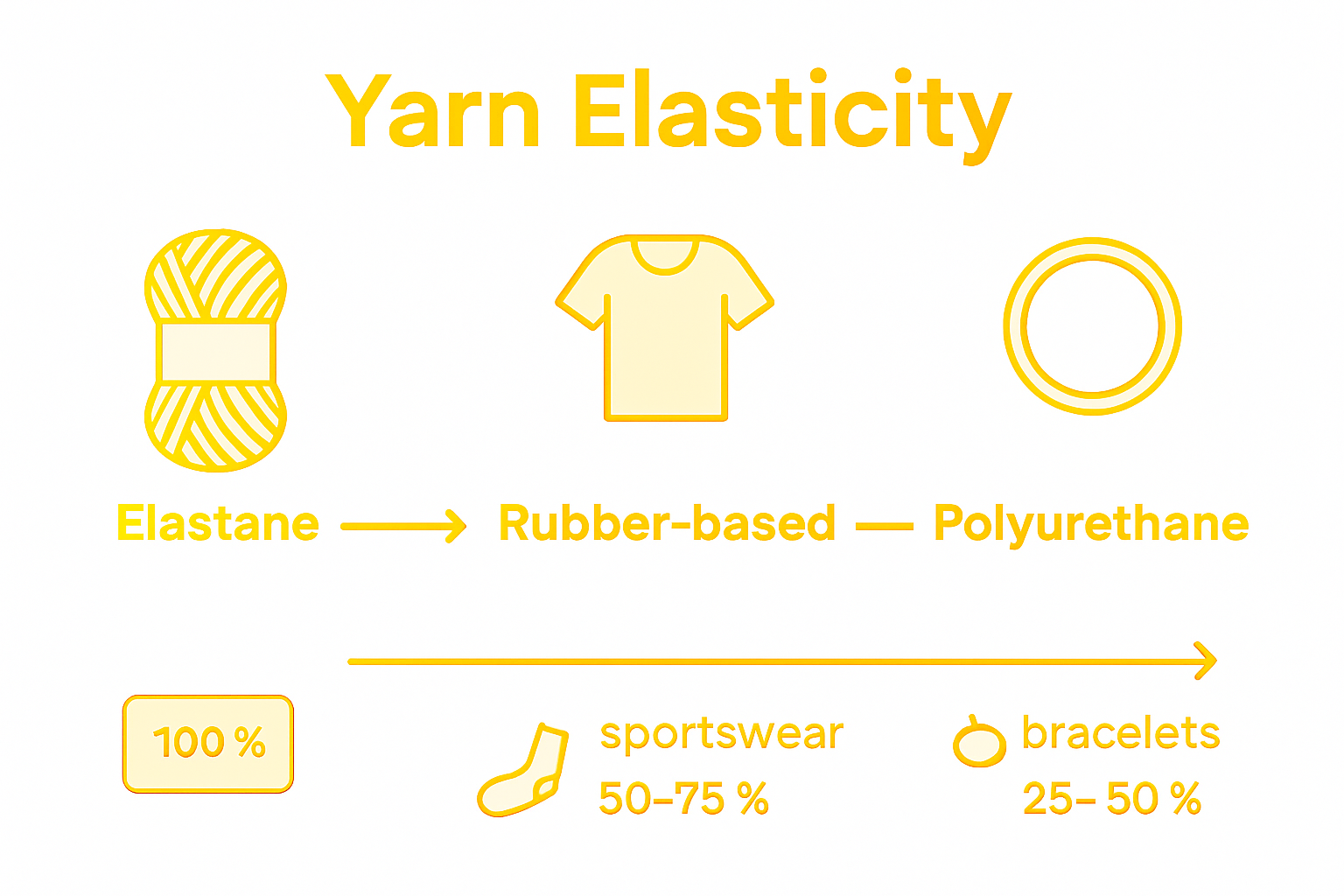
Elastane, also known as spandex, stands as the most prevalent elastic fiber in textile production. Fiber specialists confirm that elastane can be strategically blended with other yarn materials to introduce exceptional elasticity. This versatile synthetic fiber enables crafters to create garments and accessories with superior shape retention and movement potential.
The primary elastic fiber types crafters should understand include:
- Elastane/Spandex: High stretch potential, excellent recovery
- Polyurethane: Durable elastic fiber with moderate stretch
- Rubber-based Fibers: Traditional elastic material with high resilience
- Synthetic Blend Elastics: Customized fibers combining multiple performance characteristics
Each elastic fiber type offers unique benefits, allowing crafters to select the most appropriate material based on specific project requirements. Whether designing activewear, adaptive clothing, or performance textiles, understanding these elastic fiber nuances empowers crafters to create more dynamic and functional handmade items.
How Elastic Yarn Works In Crochet And Knitting
Elastic yarn transforms traditional crochet and knitting techniques by introducing unprecedented flexibility and movement, allowing crafters to create garments that stretch, conform, and retain their original shape with remarkable precision.
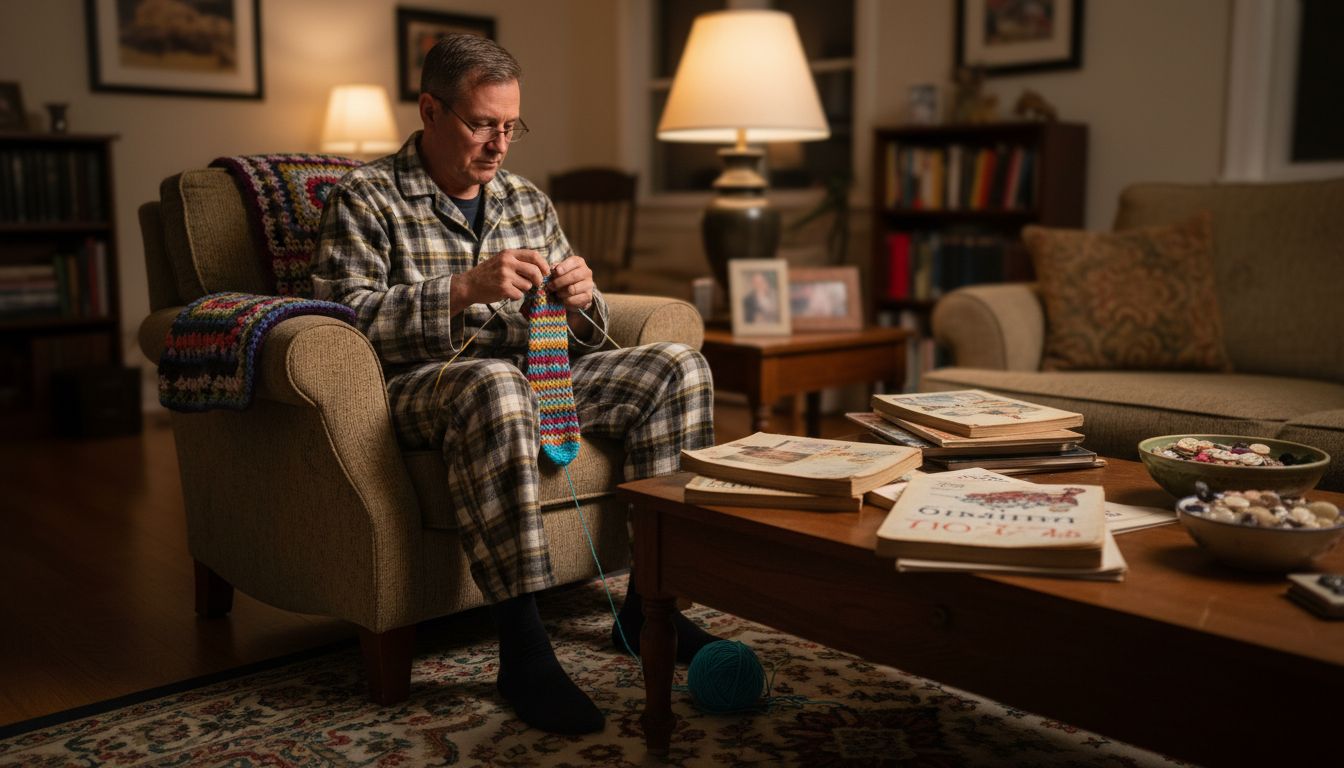
In practical application, elastic yarn fundamentally changes how stitches interact during the crafting process. When integrated into crochet or knitting projects, these specialized yarns enable stitch patterns to expand and contract dynamically, creating pieces that adapt seamlessly to body contours and movement requirements. This unique characteristic makes elastic yarn particularly valuable for creating form-fitting accessories, activewear, and adaptive clothing items.
The mechanics of elastic yarn in crafting involve several key principles:
- Stretch Capacity: Ability to elongate up to 500% of original length
- Recovery Performance: Rapid return to original shape after stretching
- Structural Integrity: Maintaining stitch definition while providing flexibility
- Blending Potential: Combining with traditional fibers for enhanced performance
Textile experts confirm that elastic yarns are crucial for creating comfortable, adaptable garments that move with the wearer. Whether crafting socks, hats, or performance wear, understanding how elastic yarn works empowers crafters to produce more sophisticated and functional textile projects.
Best Uses For Elastic Yarn In Projects
Elastic yarn offers crafters unprecedented versatility across a wide range of textile projects, transforming traditional crafting approaches with its remarkable stretch and recovery capabilities.
Performance Apparel represents one of the most exciting applications for elastic yarn. Crafters can create professional-grade activewear, athletic accessories, and adaptive clothing that move seamlessly with the body. These projects demand materials that can stretch, retain shape, and withstand repeated use, making elastic yarn an ideal choice for sophisticated textile design.
The most compelling project categories for elastic yarn include:
- Athletic Wear: Running shorts, yoga pants, compression garments
- Adaptive Clothing: Items designed for varying body movements and flexibility
- Accessories: Headbands, wristbands, form-fitting hats
- Intimate Apparel: Supportive undergarments with excellent stretch
- Performance Socks: Compression and athletic sock designs
Specialized textile research confirms that elastic yarns excel in creating comfortable, resilient garments for high-movement applications. Whether designing swimwear, exercise clothing, or adaptive wear, elastic yarn provides crafters with an innovative solution for creating flexible, form-fitting textile projects.
Common Pitfalls And How To Avoid Them
Elastic yarn requires precision and careful handling to maintain its unique performance characteristics. Textile experts emphasize the critical importance of understanding fiber content and appropriate crafting techniques, as improper use can compromise the yarn’s essential stretch and recovery properties.
One of the most significant challenges crafters encounter is managing tension during the crafting process. Uneven tension can create irregular stitch patterns, reducing the elastic yarn’s effectiveness and potentially distorting the final project. Experienced crafters recommend using specialized tools and techniques to maintain consistent stretch and avoid overwrought or overly tight stitching that could damage the yarn’s intrinsic flexibility.
Key pitfalls to watch for include:
- Improper Tension: Inconsistent stretching during crafting
- Incorrect Washing: Using high heat or harsh detergents
- Overstretching: Pulling yarn beyond its recommended elongation limit
- Inadequate Blending: Poor integration with other fiber types
- Storage Mistakes: Exposing yarn to direct sunlight or extreme temperatures
Specialized textile research provides clear guidelines for maintaining elastic yarn’s performance and longevity. By understanding these potential challenges and implementing careful crafting techniques, makers can ensure their elastic yarn projects remain durable, flexible, and professionally constructed.
Unlock Your Creativity with Elastic Yarn and Premium Craft Supplies
Crafting with elastic yarn brings unmatched flexibility and durability but presents challenges like maintaining tension and choosing the right fiber blend. At CRAFTISS, we understand your goal to create comfortable and lasting garments that stretch and recover perfectly. Our curated selection of quality Yarn offers diverse fiber options designed to enhance your crafting experience, ensuring your projects move with you and retain their shape effortlessly.
.png)
Explore our collection today and discover how premium elastic yarn can transform your crochet and knitting projects. Visit CRAFTISS now to elevate your craft with reliable materials and accessories. Don’t wait to create flexible, form-fitting masterpieces that stand the test of time.
Frequently Asked Questions
What is elastic yarn and how does it enhance crafting flexibility?
Elastic yarn is a type of yarn that incorporates synthetic fibers like elastane or spandex, which provide remarkable stretch and recovery. This flexibility allows crafters to create items that conform to body contours and retain their shape, making it ideal for activewear and form-fitting garments.
What are the major types of elastic fibers used in yarn crafting?
The main types of elastic fibers used in yarn crafting include elastane (spandex), polyurethane, rubber-based fibers, and synthetic blend elastics. Each fiber has unique properties that offer varying levels of stretch, recovery, and durability, allowing crafters to choose the best option for their specific projects.
How should I handle elastic yarn during crafting to avoid common pitfalls?
To avoid pitfalls with elastic yarn, maintain consistent tension while crafting, avoid overstretching, and wash with appropriate care to preserve its properties. Additionally, proper blending with other fibers and careful storage away from direct sunlight can help maintain the yarn’s performance.
What types of projects are best suited for elastic yarn?
Elastic yarn is ideal for a variety of projects, including athletic wear, adaptive clothing, intimate apparel, performance socks, and form-fitting accessories like headbands and wristbands. These projects benefit from the yarn’s ability to stretch, conform, and maintain shape during use.
Recommended
- Why Use Lightweight Yarn: Understanding Its Benefits – CRAFTISS
- Understanding Why Yarn Quality Matters for Crafters – CRAFTISS
- Complete Guide to Loop Yarn: Uses, Types, and Tips – CRAFTISS
- What is Yarn Over? Understanding Its Importance in Knitting – CRAFTISS
- Soorten linten | Hoe en wat – Kadopapier.net
- 7 Creative Upcycling Ideas for Special Occasion Dresses - DressMeUpNY