

Over 40 percent of american crafters now turn to new techniques that make creativity easier and more fun. Loop yarn stands out by removing the need for traditional tools, making textile crafting simple for anyone interested in hands-on projects. With its unique looped design, loop yarn offers a way to create soft, durable items even if you have no previous experience. Discover how this innovative material can help transform your crafting routine and open up a world of new possibilities.
Table of Contents
- What Is Loop Yarn And How It Works
- Different Types Of Loop Yarn Available
- Key Features And Benefits Of Loop Yarn
- Creative Uses And Project Ideas With Loop Yarn
- Common Mistakes And Expert Tips For Success
Key Takeaways
| Point | Details |
|---|---|
| Loop Yarn Simplifies Crafting | Loop yarn features pre-formed loops, enabling easy creation of textiles without complex techniques or specialized tools. |
| Variety of Loop Yarn Types | There are diverse loop yarns made from natural and synthetic fibers, each offering unique properties suitable for various projects. |
| Performance Benefits | Loop yarn provides enhanced durability, flexibility, and moisture management, making it suitable for a wide range of applications. |
| Accessibility for All Crafters | This innovative material opens up crafting to beginners while still catering to experienced crafters through its intuitive design. |
What Is Loop Yarn and How It Works
Loop yarn is a specialized textile material designed to simplify crafting by featuring pre-formed loops embedded directly within the yarn itself. Unlike traditional yarn that requires complex knitting or crochet techniques, loop yarn allows crafters to create textiles through an intuitive, loop-based construction method.
The unique structure of loop yarn enables crafters to create textile designs without specialized tools like needles or hooks. Each strand contains multiple uniform loops that interlock seamlessly, providing exceptional elasticity and durability. These strategically positioned loops allow users to weave or connect sections by pulling loops through one another, making the crafting process significantly more accessible for beginners and experienced crafters alike.
Loop yarn’s innovative design offers multiple advantages for textile creation. Its engineered structure provides enhanced moisture management and stretch capabilities, making it ideal for projects ranging from soft home decor to wearable accessories. The pre-formed loops can be left intact for a textured appearance or trimmed for a smoother finish, giving crafters remarkable flexibility in their creative process. Key features of loop yarn include:
- Simplified crafting technique
- No specialized tools required
- Enhanced textile durability
- Excellent moisture-wicking properties
- Versatile design options
Whether you are a seasoned crafter or a curious beginner, loop yarn represents an exciting innovation in textile creation that democratizes crafting techniques and opens up new possibilities for creative expression.
Recommended supplies for your project


Different Types of Loop Yarn Available
Loop yarn comes in a diverse range of materials and styles, offering crafters multiple options for creative projects. Yarn fiber compositions play a crucial role in determining the characteristics and performance of loop yarn, with each type bringing unique attributes to textile creation.
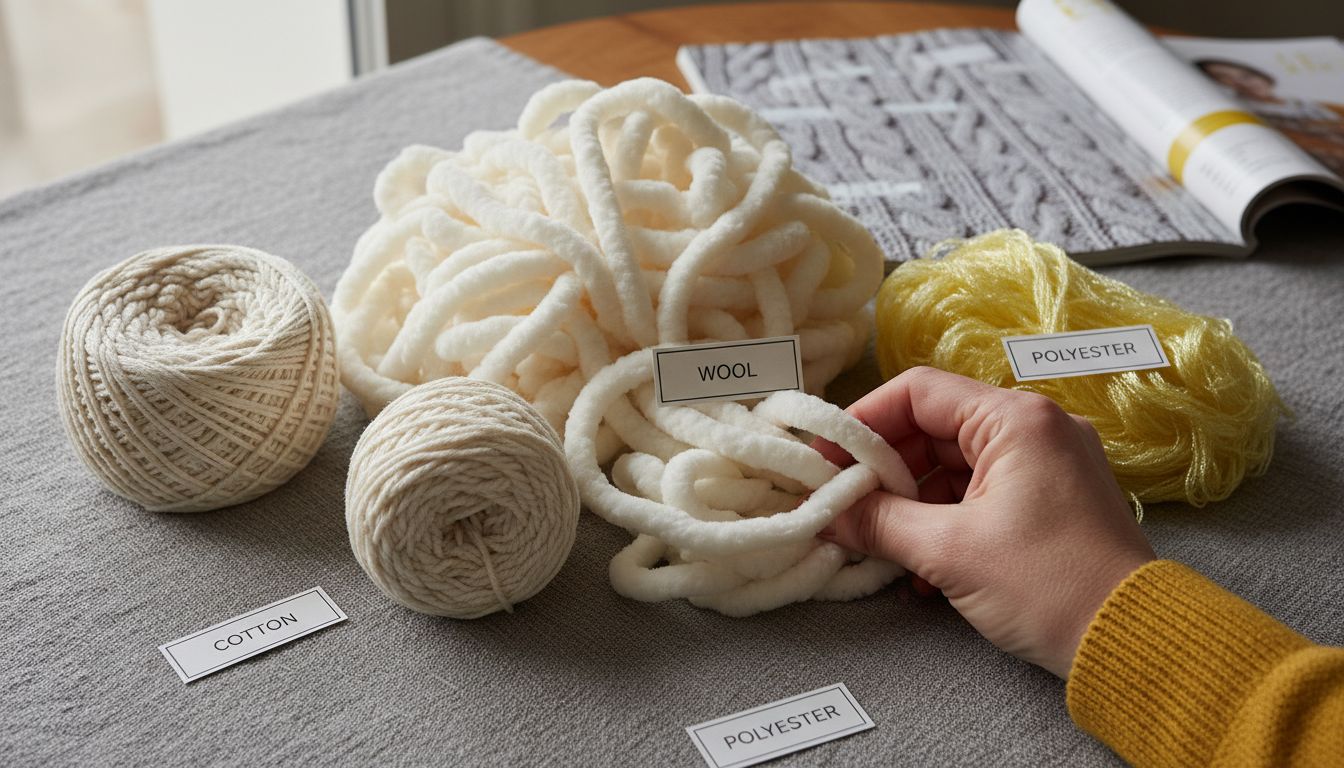
The most common loop yarn types include natural and synthetic fiber variations. Natural fiber loop yarns, such as cotton and wool, provide breathability and softness, making them ideal for clothing and accessories. Synthetic loop yarns, including polyester and nylon blends, offer enhanced durability and moisture-wicking properties that are perfect for outdoor and performance-oriented projects.
Loop yarns can be categorized based on several key characteristics:
-
Fiber Composition:
- Natural fibers (cotton, wool, silk)
- Synthetic fibers (polyester, nylon)
- Blended fiber compositions
-
Loop Size:
- Micro loops
- Standard loops
- Oversized loops
-
Fabric Weight:
- Lightweight
- Medium weight
- Heavy weight
The versatility of loop yarn allows crafters to select materials that precisely match their project requirements. Whether you need a delicate, fine-textured yarn for intricate designs or a robust, heavy-weight option for durable home decor, the wide variety of loop yarn types ensures there’s a perfect match for every creative vision.
Key Features and Benefits of Loop Yarn
Loop yarn represents a revolutionary textile technology with remarkable performance characteristics that set it apart from traditional yarn materials. Lightweight yarn innovations have transformed textile production, and loop yarn exemplifies this cutting-edge approach by delivering exceptional functional benefits across multiple applications.
The unique structural design of loop yarn provides multiple advantages. Its innovative looped configuration enables superior stress distribution, which results in enhanced durability and remarkable elasticity. The intrinsic properties of loop yarn make it ideal for diverse projects, from delicate fashion accessories to robust industrial textiles. Key performance features include:
-
Enhanced Durability:
- Even stress distribution
- Reduced material fatigue
- Increased structural integrity
-
Advanced Flexibility:
- Superior stretch capabilities
- Maintains shape retention
- Adapts to multiple textile requirements
-
Sustainability Benefits:
- Potential for eco-friendly production
- Reduced material waste
- Efficient manufacturing process
Loop yarn’s exceptional moisture management and cost-efficient production make it an attractive option for crafters and industrial manufacturers alike. Whether you’re creating intricate fashion pieces or developing high-performance technical textiles, loop yarn offers a versatile solution that combines innovative design with practical functionality.
Creative Uses and Project Ideas With Loop Yarn
Loop yarn offers crafters an incredibly versatile medium for creating unique and engaging projects that range from functional home decor to personalized accessories. Yarn crafting techniques provide numerous opportunities for creativity, and loop yarn takes this potential to an exciting new level by simplifying complex textile creation processes.
For home decor enthusiasts, loop yarn opens up a world of possibilities. Crafters can effortlessly create cozy throw blankets, decorative pillows, wall hangings, and intricate macramé-style pieces without requiring advanced knitting or crochet skills. The pre-formed loops make it exceptionally easy to generate textured, voluminous items that add warmth and personality to any living space.
Different project categories for loop yarn include:
-
Home Decor:
- Throw blankets
- Decorative pillows
- Wall hangings
- Table runners
- Macramé-inspired wall art
-
Wearable Accessories:
- Scarves
- Winter headbands
- Fingerless gloves
- Lightweight shawls
- Decorative hair accessories
-
Soft Toys and Gifts:
- Plush animals
- Baby blankets
- Decorative cushions
- Gift wrapping embellishments
- Unique stuffed characters
Loop yarn’s accessibility makes it perfect for crafters of all skill levels, from absolute beginners to experienced textile artists seeking a quick and enjoyable creative outlet. Whether you’re looking to personalize your living space or create heartfelt handmade gifts, loop yarn provides an intuitive and enjoyable crafting experience that transforms creative ideas into tangible, beautiful objects.
Common Mistakes and Expert Tips for Success
Mastering loop yarn requires understanding both its unique characteristics and potential pitfalls that can derail your crafting experience. Beginner crafting techniques emphasize the importance of patience and precision, which are especially crucial when working with this innovative textile medium.
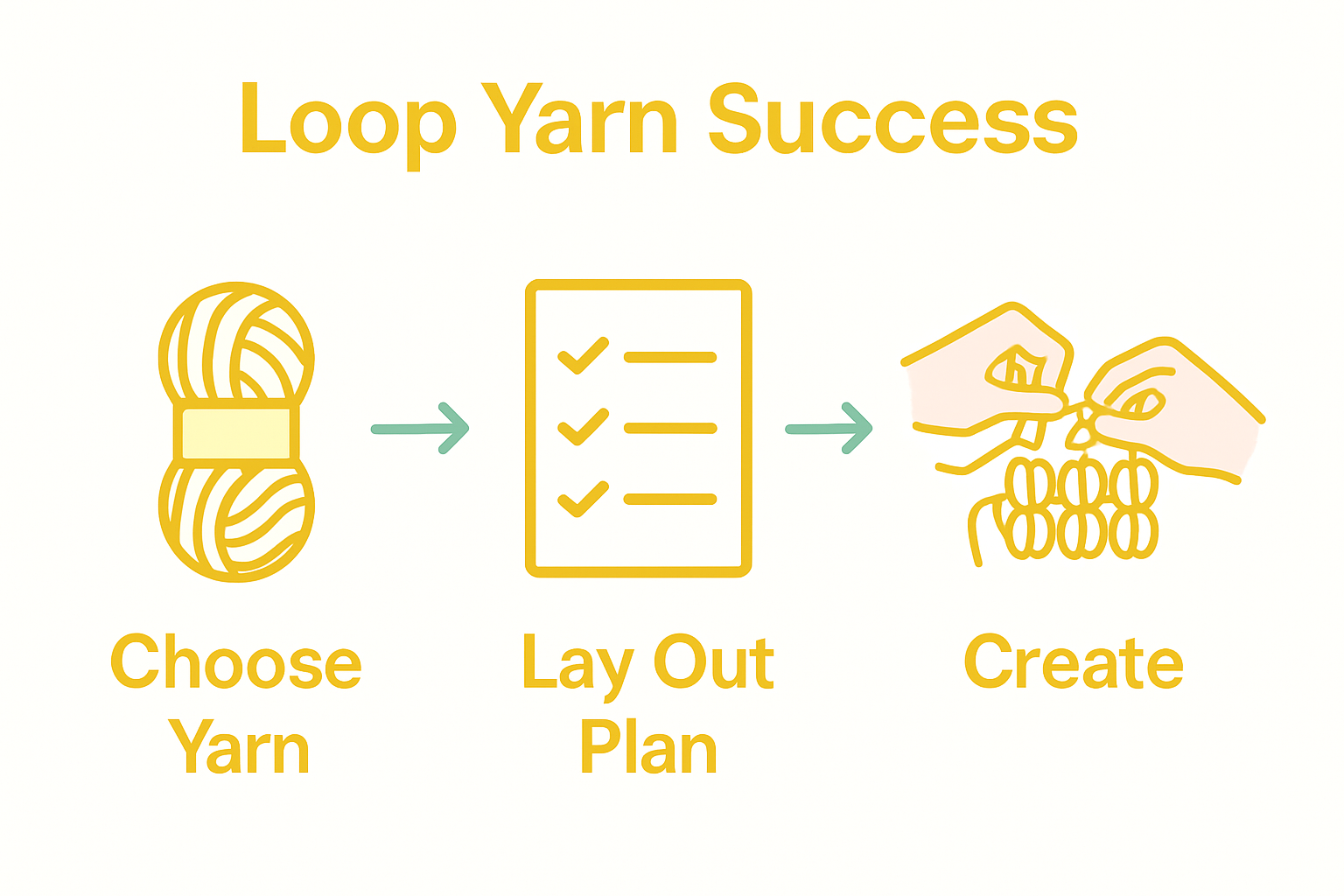
One of the most critical aspects of successful loop yarn projects is maintaining consistent tension and avoiding loop distortions. Crafters must pay close attention to how they handle the yarn, ensuring that loops remain straight and evenly distributed throughout the project. Common mistakes include twisting loops, pulling too tightly, or creating uneven sections that can compromise the overall structural integrity of the finished piece.
Key strategies for loop yarn success include:
-
Tension Management:
- Maintain consistent loop size
- Avoid overstretching
- Check tension periodically
- Use gentle, even pulling techniques
-
Common Mistakes to Avoid:
- Twisting pre-formed loops
- Uneven loop distribution
- Inconsistent yarn handling
- Neglecting project alignment
-
Expert Preparation Tips:
- Practice on small test sections
- Use good lighting
- Work in a clean, organized space
- Take breaks to prevent hand fatigue
Successful loop yarn crafting requires a combination of technical skill and creative intuition. By understanding potential challenges and implementing strategic techniques, crafters can transform simple loop yarn into stunning, professional-looking projects that showcase their artistic vision and technical precision.
Discover the Ease and Creativity of Loop Yarn with Craftiss
If you have been exploring the world of loop yarn, you understand how tricky it can be to find yarn that balances durability, flexibility, and ease of use all at once. Struggling with uneven tension or searching for the perfect fiber type can slow your creative flow. At Craftiss, we recognize these challenges and offer a curated selection of high-quality yarns that simplify your crafting journey. Whether you want natural softness or synthetic strength, our Yarn collection delivers the versatility you need to bring your loop yarn projects to life.
.png)
Unlock your crafting potential today with materials designed to support every loop and stitch. Browse our full range of products at https://craftiss.com and experience why so many crafters choose Craftiss for inspiration and reliability. Don’t wait to elevate your next project with yarn that matches your passion and precision.
Frequently Asked Questions
What is loop yarn and how does it work?
Loop yarn is a specialized textile material with pre-formed loops embedded directly within the yarn. It simplifies crafting, allowing users to create textiles without the need for traditional needles or hooks by pulling loops through one another.
What types of loop yarn are available?
Loop yarn comes in various types based on fiber composition (natural fibers like cotton and wool or synthetic fibers like polyester and nylon), loop size (micro, standard, or oversized), and fabric weight (lightweight, medium weight, or heavy weight).
What are the benefits of using loop yarn in crafting projects?
Loop yarn offers enhanced durability, advanced flexibility, and moisture management. It requires no specialized tools, making it accessible to crafters of all skill levels, and provides versatility for various projects like home decor, wearable accessories, and soft toys.
What are common mistakes to avoid when using loop yarn?
Common mistakes include twisting loops, creating uneven loop distributions, and inconsistent tension. To enhance project success, manage tension, practice on small test sections, and work in a well-lit, organized space.