


Ultimate Crochet Skill Improvement Guide for Crafters
Most american beginners find that the hardest part of learning crochet is simply taking the first step. With so many yarns, hooks, and tools to choose from, even experienced crafters can feel lost at the start. In fact, over 60 percent of new crochet enthusiasts say they spent extra time searching for the right supplies before making their first stitch. This guide helps simplify that process with practical steps so you can confidently build your crochet skills and enjoy every project along the way.
Table of Contents
- Step 1: Gather Essential Crochet Tools and Materials
- Step 2: Practice Foundational Crochet Stitches Daily
- Step 3: Explore Intermediate Patterns and Techniques
- Step 4: Track Progress and Troubleshoot Common Issues
- Step 5: Showcase Improved Skills with Advanced Projects
Quick Summary
| Key Point | Explanation |
|---|---|
| 1. Assemble the right tools first | Begin with a size H/8 crochet hook and worsted weight yarn, ensuring comfort and functionality for effective learning. |
| 2. Practice foundational stitches daily | Focus on mastering foundation chains, single crochet, and double crochet with at least 15 minutes of practice each day to build confidence. |
| 3. Gradually tackle intermediate patterns | Challenge yourself with more complex patterns that involve new techniques, allowing you to grow your crochet skills progressively. |
| 4. Document your progress and issues | Maintain a progress journal, noting challenges and successes to track improvement and enhance your crochet learning journey. |
| 5. Showcase skills with advanced projects | Select advanced projects that utilize multiple techniques learned, helping reinforce skills and providing tangible evidence of your growth. |
Step 1: Gather Essential Crochet Tools and Materials
Starting your crochet journey begins with assembling the right tools and materials. According to aarr.org, selecting the proper equipment is crucial for a smooth learning experience. You will need a few key items to get started crafting beautiful projects.
First, choose your primary tools: a size H/8 (5.0 mm) crochet hook is recommended for beginners, which provides a comfortable grip and versatile performance. Pair this with worsted weight yarn, which is ideal for learning basic techniques and creating consistent stitches. Additional must-have accessories include sharp scissors for clean yarn cutting and a yarn needle for weaving in loose ends and finishing your work. 7 Essential Crochet Beginner Tips to Improve Your Skills suggests investing in quality beginner tools to set yourself up for success.
When selecting your materials, consider starting with light colored yarns that allow you to see your stitches clearly. Wool or acrylic blends work well for new crafters, offering durability and affordability. Remember that your first tools do not need to be expensive professional grade equipment. Focus on comfort, basic functionality, and choosing items that feel good in your hands. As you progress in your crochet skills, you can gradually upgrade your toolkit with more specialized instruments.
Recommended supplies for your project


Step 2: Practice Foundational Crochet Stitches Daily
Mastering crochet requires consistent practice and focus on fundamental techniques. According to mymuseshop.org, developing core crochet motions and tension control is essential for beginners looking to build their skills effectively. Your daily practice will help transform basic movements into confident crafting techniques.
Start by learning three core stitches: foundation chains, single crochet, and double crochet. 7 Essential Types of Crochet Stitches Every Crafter Should Know recommends dedicating at least 15 minutes each day to practicing these fundamental techniques. As aarr.org emphasizes, consistent practice builds proficiency and muscle memory. Begin by creating small swatches or practice squares to improve your technique without feeling overwhelmed.
To maximize your learning, focus on maintaining consistent tension and creating even stitches. Watch tutorial videos, use practice guides, and don’t get discouraged by initial imperfections. Every stitch is an opportunity to improve. Your skills will gradually become more refined as you continue practicing regularly. Remember that muscle memory develops through repetition, so approach your daily practice with patience and enthusiasm.
Step 3: Explore Intermediate Patterns and Techniques
As you advance in your crochet journey, expanding your skill set becomes crucial for creating more complex and personalized projects. According to Domestika, intermediate techniques enable crafters to transform basic skills into unique, personalized accessories like scarves and hand warmers.
Begin by challenging yourself with slightly more advanced patterns that introduce new stitch combinations and techniques. Complete Guide to Crochet Pattern Types Explained suggests selecting projects that progressively build on your foundational skills. For instance, explore patterns that incorporate textured stitches, color changing methods, or more intricate shaping techniques. As recommended by Domestika, pay careful attention to selecting appropriate yarns and tools that match the complexity of your chosen project.
Remember that intermediate skill development is about patience and consistent practice. Start with smaller projects like socks, fingerless gloves, or decorative home accessories that introduce new techniques without overwhelming you. Watch online tutorials, join crochet communities, and do not hesitate to unravel and restart when learning a new method. Each challenging pattern you attempt will expand your capabilities and boost your confidence as a more advanced crafter.
Step 4: Track Progress and Troubleshoot Common Issues
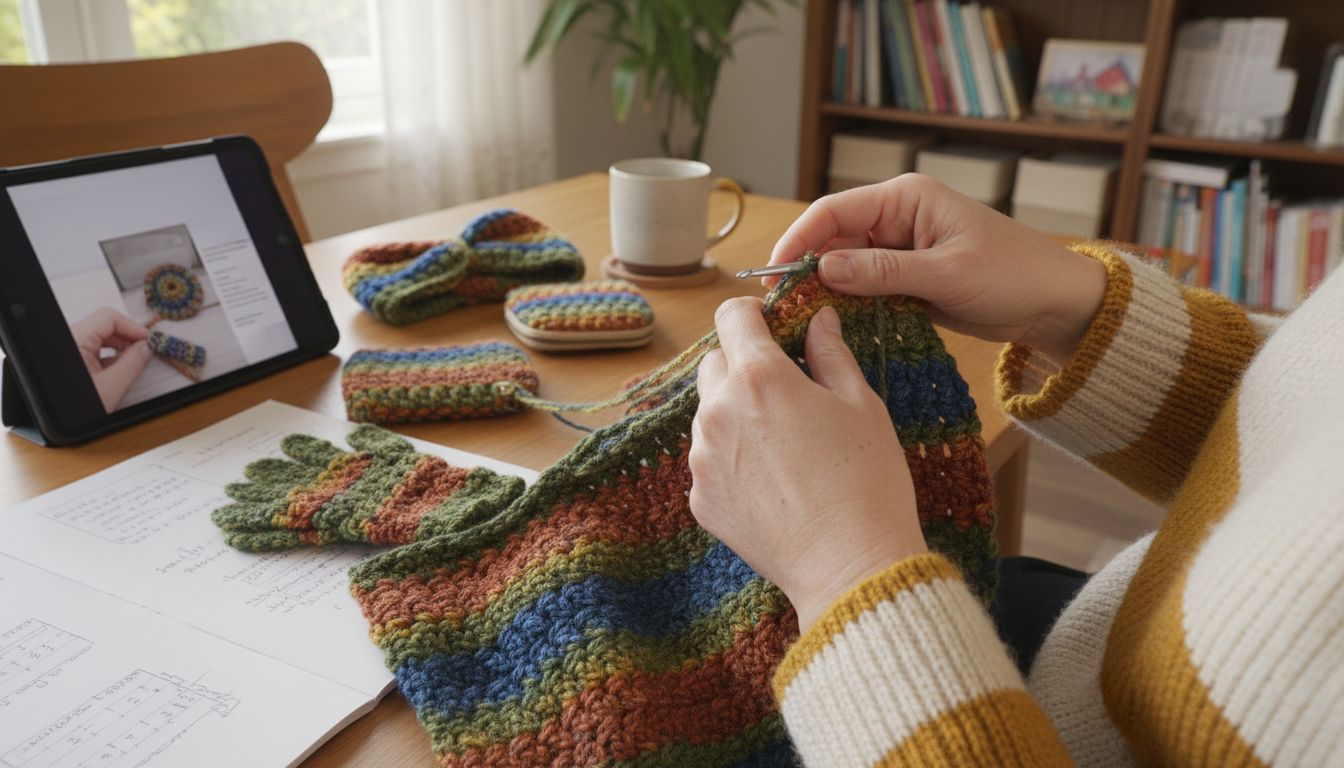
Successful crochet learning involves more than just practicing techniques. According to mymuseshop.org, effectively monitoring your progress and addressing challenges are critical components of skill development. Tracking your journey helps you understand your strengths and areas that need improvement.
Understanding Crochet Edge Techniques for Every Project recommends creating a progress journal where you document each project, noting specific techniques learned and challenges encountered. As aarr.org suggests, common issues like uneven stitches or tension problems can be systematically addressed through careful observation and targeted practice. Take photos of your work, measure your progress, and compare your current projects with earlier attempts to visualize your skill advancement.
When troubleshooting, focus on specific techniques rather than getting discouraged. Uneven stitches often result from inconsistent tension, so practice maintaining steady hand movements. Consider watching online tutorials, joining crochet forums, or connecting with experienced crafters who can provide personalized guidance. Remember that every mistake is an opportunity to learn and refine your technique. Patience and persistent practice are the keys to becoming a confident and skilled crafter.
Step 5: Showcase Improved Skills with Advanced Projects
Reaching an intermediate skill level in crochet opens up exciting opportunities to challenge yourself and demonstrate your growing expertise. According to Domestika, advanced projects like customized scarves and hand warmers provide the perfect platform to apply and showcase your developing techniques.
How to Design Crochet Patterns: Create Unique Designs Easily suggests selecting projects that push your boundaries while still feeling achievable. Drawing from Domestika recommendations, consider tackling more complex items like socks or intricate accessories that require precise shaping and advanced stitch work. These projects not only challenge your skills but also provide tangible evidence of your progress.
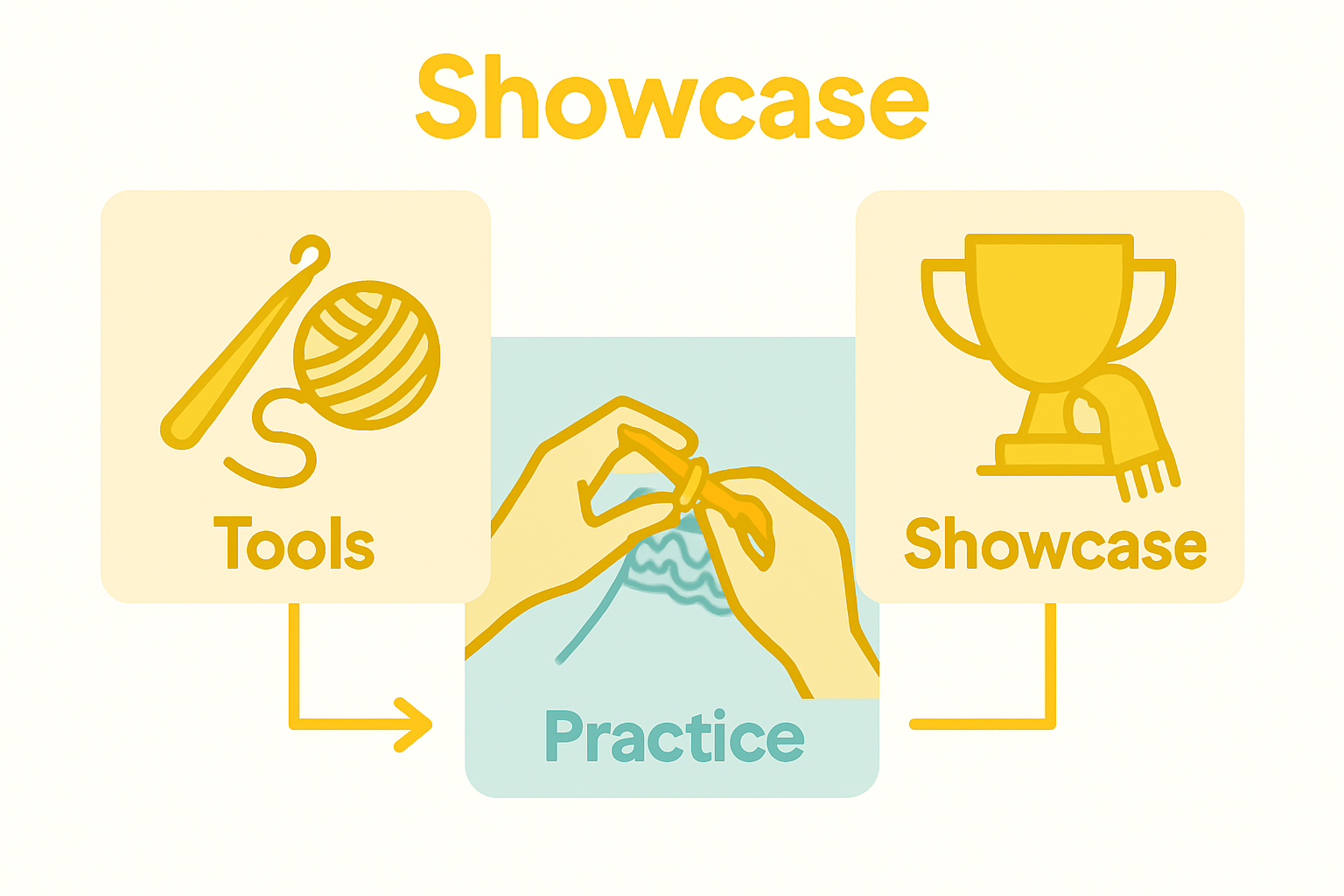
As you undertake these advanced projects, focus on incorporating multiple techniques you have learned. Experiment with color work, complex stitch patterns, and more intricate shaping methods. Document your journey by photographing each stage of your project, sharing your progress with crochet communities, and reflecting on the new skills you are developing. Remember that each advanced project is a milestone in your crafting journey, representing your dedication and growing expertise.
Elevate Your Crochet Skills with the Right Tools and Support
Mastering crochet is more than just learning stitches. This guide highlights the challenges of consistent practice, tension control, and expanding your techniques to create personalized projects. If you find yourself struggling with uneven stitches or need the perfect yarn to bring your advanced patterns to life you are not alone Many crafters face these exact hurdles on their journey toward expert craftsmanship.
Discover how investing in quality materials can transform your experience Explore our premium selection of Yarn designed for every skill level and project type
.png)
Don’t let inconsistency or lack of supplies hold you back Take the next step in your crochet adventure right now by visiting CRAFTISS where you’ll find everything you need to practice confidently and tackle advanced projects with ease You can also find the perfect Yarn Bags to keep your tools organized and accessible every time you create Start improving your crochet skills today with materials and support crafted just for you
Frequently Asked Questions
What crochet tools do I need to get started?
To start crocheting, you need a size H/8 (5.0 mm) crochet hook, worsted weight yarn, sharp scissors, and a yarn needle. Invest in these essential items to ensure a smoother learning experience and practical usage.
How can I practice foundational crochet stitches effectively?
Dedicate at least 15 minutes daily to practice core stitches like foundation chains, single crochet, and double crochet. Create small practice swatches to focus on consistency and tension control during your daily sessions.
What are some intermediate crochet techniques I can explore next?
Once you feel comfortable with basic stitches, challenge yourself with intermediate patterns that use new stitch combinations and color-changing methods. Start with simple projects like scarves or fingerless gloves to build confidence as you advance.
How can I track my crochet progress and troubleshoot problems?
Keep a crochet progress journal where you document your projects, techniques learned, and challenges faced. This will help you identify areas needing improvement and track your skills as you progress.
What advanced crochet projects should I attempt to showcase my skills?
Consider tackling advanced projects such as custom scarves or socks to display your growing expertise. Focus on integrating multiple techniques learned, such as intricate stitch patterns and color work, to challenge yourself even further.
