


Woolen Spun Yarn: Key Features for U.S. Crocheters
Crocheters who crave cozy warmth know woolen spun yarn brings an inviting softness to every project, but myths about its strength and quality can spark hesitation. For experienced American crafters ready to refine their technique, understanding the loose fiber alignment that gives woolen spun both its airy feel and superior insulation is key. This guide untangles confusion around materials, textures, and methods, helping you choose and use woolen spun yarn for projects that showcase comfort and versatility.
Table of Contents
- Defining Woolen Spun Yarn And Common Myths
- How Woolen Spun Yarn Is Made: Carding And Spinning
- Unique Characteristics: Warmth, Loftiness, And Texture
- Best Uses For Crochet: Ideal Projects And Techniques
- Mistakes To Avoid When Crocheting With Woolen Spun
- Comparing Woolen Spun And Worsted Spun Yarn
Key Takeaways
| Point | Details |
|---|---|
| Woolen Spun Yarn Characteristics | Woolen spun yarn is lighter, warmer, and has a fuzzy texture that creates excellent insulation, making it ideal for cozy projects. |
| Project Selection | It is best suited for blankets, sweaters, and simple stitches, while complex patterns may look blurry due to its fuzzy nature. |
| Tension and Gauge | Maintain a relaxed tension and always swatch to prevent sizing issues, as woolen spun has high loft that can shift. |
| Materials Comparison | Understanding the differences between woolen spun and worsted spun yarn can help you choose the right yarn based on durability and stitch clarity needs. |
Defining Woolen Spun Yarn and Common Myths
Woolen spun yarn starts with short staple fibers twisted together to create a yarn with distinctive characteristics that set it apart from other spinning methods. The process creates what’s called loose fiber alignment, which is fundamental to understanding why woolen spun behaves the way it does in your projects. Unlike tightly structured yarns, woolen spun traps air pockets between fibers, giving it exceptional warmth without excessive weight. This makes it a favorite for blankets, sweaters, and cozy accessories where insulation matters. The texture is noticeably fuzzy and has a slightly halo effect around the yarn itself, which some crocheters love and others find distracting.
The confusion around woolen spun yarn often stems from common misconceptions about its durability and appearance. Many crafters assume that because woolen yarns feel softer and fluffier, they must be weaker. Here’s where reality diverges from expectation. Woolen spun is indeed softer than worsted spun yarn, and it does have less tensile strength, but this doesn’t automatically make it unsuitable for projects. The key difference lies in how the fibers are organized during spinning. With loose fiber alignment that enhances thermal insulation, woolen spun trades some raw strength for flexibility and give. This makes it forgiving in your hands and creates fabric with beautiful drape rather than rigid structure.
Another myth worth addressing is that woolen spun yarn is inherently low quality. This conflates spinning method with fiber quality, which are completely separate factors. You can buy premium merino wool spun using the woolen method, just as you can buy low grade worsted spun acrylic. The spinning technique determines texture, insulation, and how stitches interact with the yarn. The fiber choice determines softness, durability, and how the yarn ages over time. Understanding this distinction helps you make informed choices about which yarn works best for specific projects. A woolen spun yarn is designed to be warm, forgiving, and comfortable. When you choose this method intentionally, you’re getting exactly what you want.
Pro tip: Test woolen spun yarn on a small gauge swatch before committing to a large project, as its fuzzy texture can make stitch definition trickier and swatch gauge often differs from your larger work.
How Woolen Spun Yarn Is Made: Carding and Spinning
Understanding how woolen spun yarn is made gives you insight into why it behaves so differently from other yarns in your crochet projects. The process starts with raw fleece that needs significant preparation before it can become usable yarn. The first major step is carding, which separates tangled fibers and prepares them for spinning. During carding, raw fleece passes through wire-covered rollers that gently tease the fibers apart without forcing them into alignment. Unlike worsted preparation, woolen carding intentionally keeps fibers in random directions rather than combing them into neat rows. This randomness is actually the secret to woolen spun’s insulating properties and explains why the yarn feels so airy and light in your hands.
Once the carding is complete, spinners form the carded fibers into loose ropes called slivers or batts. The magic of woolen spun happens during the actual spinning phase. A spinner takes these loose fiber preparations and spins them with minimal thinning, meaning the fibers stay relatively thick and fluffy as they twist together. The spinning process in woolen method keeps those randomly oriented fibers intact, creating a yarn with trapped air pockets throughout. This is fundamentally different from worsted spinning, where fibers are parallel and tightly twisted, creating a dense, smooth yarn. The woolen spinner is working to maintain that airiness rather than eliminate it. This distinction affects everything about how the yarn works in your hands and how your finished fabric will feel and insulate.
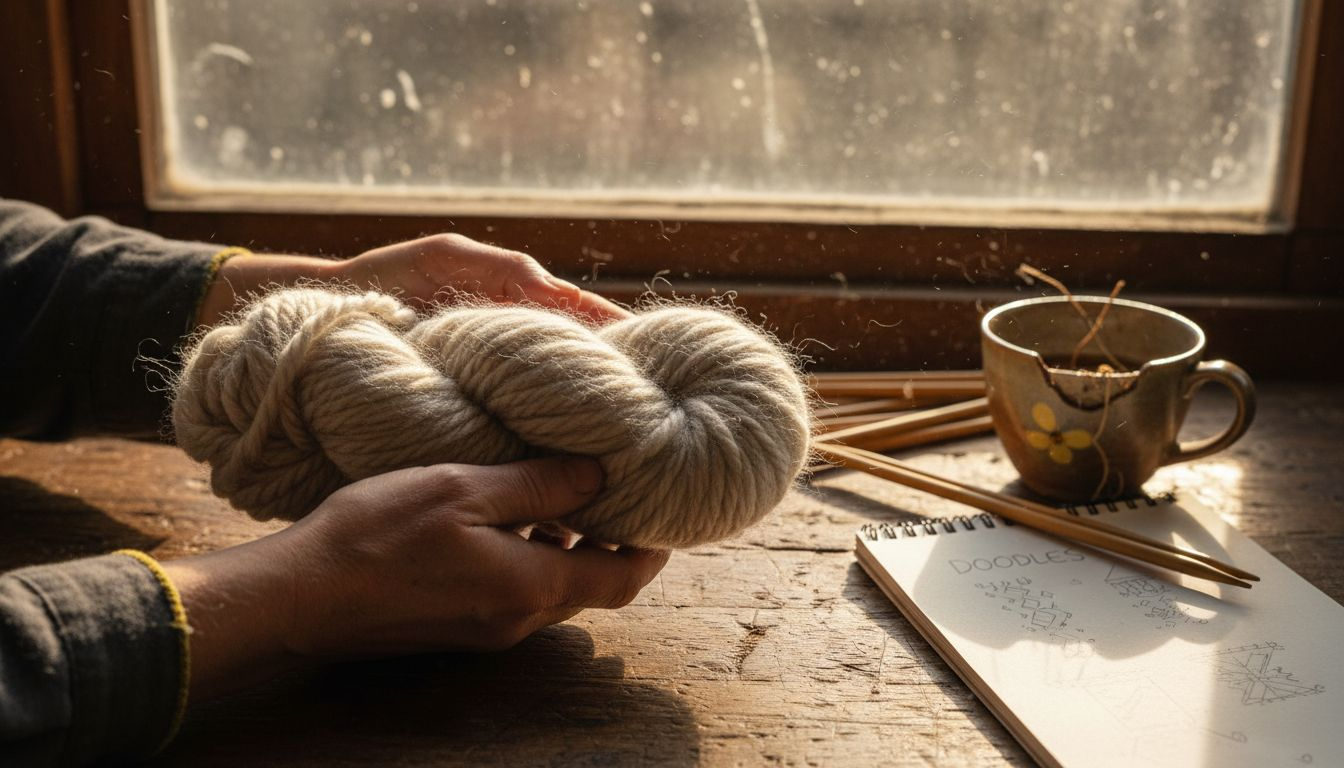
The result of this carding and spinning approach is a yarn that has a characteristically fuzzy appearance with visible fiber texture. You can see small wisps and halos around the yarn strand, which is the natural outcome of loose fiber organization. Many crocheters are drawn to this aesthetic because it gives projects an instantly cozy, handmade look. The trade-off is that woolen spun yarns are somewhat less durable than their worsted counterparts because those random fibers don’t hold together with the same tensile strength. However, for blankets, sweaters, and items where comfort and warmth matter more than durability, this is exactly what you want. The manufacturing method directly determines the yarn’s personality and performance, so when you choose woolen spun, you are consciously selecting a yarn engineered for comfort and insulation over pure durability.
Pro tip: When using woolen spun yarn, work your gauge swatch loosely to account for the yarn’s natural fluffiness, as overly tight tension can compress the air pockets and eliminate the insulation benefits you chose this yarn for.
Unique Characteristics: Warmth, Loftiness, and Texture
Woolen spun yarn stands out in your stash because of three interconnected qualities that work together to create something distinctly different from other yarn types. The first is exceptional warmth, which comes directly from that loose fiber structure we discussed earlier. Those randomly aligned fibers create countless tiny air pockets throughout the yarn, and air is nature’s insulator. When you crochet with woolen spun, you are essentially creating fabric filled with insulating air rather than dense fiber. This is why a lightweight woolen blanket can keep you as warm as a much heavier worsted blanket. The trapped air prevents heat from escaping, making woolen spun ideal for winter accessories, cozy sweaters, and projects where you want maximum warmth without excessive bulk. That’s a significant advantage when you are working on projects designed for comfort rather than durability.
Loftiness is the second defining characteristic, and it is directly connected to warmth. Loft refers to how much volume a yarn takes up relative to its actual fiber weight, and yarn loft explained reveals why woolen spun feels so airy and bouncy in your hands. Woolen spun yarns naturally have high loft because the fibers are not compressed during spinning. When you work with this yarn, your stitches feel springy and responsive. The yarn practically wants to fluff up around your hook. This loftiness also affects how your finished fabric drapes and breathes. A woolen spun sweater will feel lighter and airier than a worsted version made from identical fiber content. You get more volume for your fiber weight, which means your projects go further and require less yarn overall compared to denser alternatives.
The texture is the third characteristic that defines woolen spun yarn and what many crocheters either love or find challenging. The surface has a noticeably fuzzy, hairy appearance with visible fiber strands radiating outward. This gives finished projects an authentically handmade aesthetic that appeals to many crafters. However, that texture comes with a trade-off: stitch definition becomes softer and less crisp. Cables and detailed stitch patterns won’t pop the way they would in worsted or smooth spun yarn. Single crochet stitches can look blended rather than distinct. This is why woolen spun works beautifully for simple stitches, texturally interesting patterns, and projects where a cozy, undone look is desirable. Blankets, scarves, and everyday sweaters benefit from this soft texture. Amigurumi or intricate lacework, on the other hand, might leave you frustrated with the lack of stitch clarity.
Pro tip: Choose woolen spun yarn for projects that highlight loft and warmth rather than stitch definition, and save detailed stitch patterns for worsted or smooth spun yarns where every stitch stands out clearly.
Best Uses for Crochet: Ideal Projects and Techniques
Woolen spun yarn shines in specific project categories where its unique properties become assets rather than limitations. The ideal applications are warm, lightweight garments and accessories that benefit from maximum insulation without bulk. Think blankets, shawls, cardigans, and mittens. These projects leverage woolen spun’s natural advantages: exceptional warmth, high loft, and comfortable drape. A woolen blanket feels luxuriously warm while remaining light enough to actually use year round without overheating. Shawls draped in woolen spun have an airy, cloud-like quality that makes them feel almost weightless around your shoulders while still providing genuine warmth. Mittens and scarves work beautifully because those soft, fuzzy qualities create a cozy aesthetic that matches the project’s purpose. Simple stitches that complement woolen spun’s fuzzy texture are where this yarn truly excels. You want patterns featuring single crochet, half double crochet, or textured stitches that don’t rely on crisp definition.
Avoid complex stitch work when using woolen spun yarn. Cables, lacework, intricate color changes, and detailed texture patterns will not translate the way you envision them because the fuzzy fiber nature obscures stitch clarity. Lacy patterns lose their delicate appearance when the holes blur into the surrounding fuzz. Cables meant to pop visually become soft and blended. Color work loses sharpness when stitch boundaries are naturally soft. This does not make these patterns impossible, but it does mean the finished project may look nothing like the inspiration photo. Instead, choose project patterns designed with simple, straightforward construction that highlight texture and warmth rather than intricate stitch definition.
The best technique when working with woolen spun is to embrace loose tension and let the yarn do what it wants to do naturally. Resist the urge to work tightly to try to define your stitches more clearly. Tight tension compresses the loft, eliminates those beneficial air pockets, and defeats the entire purpose of choosing this yarn. Work at a comfortable, relaxed tension that feels natural. Your stitches will blend slightly into each other, creating a cohesive, soft fabric that moves beautifully. Block your finished projects gently to enhance the drape without flattening the loft. Woolen spun responds wonderfully to blocking, which can even out tension inconsistencies while maintaining the airy quality. Test your yarn in a gauge swatch using simple stitches, then build your projects around stitch patterns that actually work with what woolen spun offers rather than fighting against its nature.
Pro tip: When selecting patterns for woolen spun yarn, prioritize projects emphasizing warmth and texture over stitch clarity, and always crochet a swatch with your planned stitch to confirm the visual effect matches your expectations before committing yards of yarn.
Here’s a practical summary of ideal and challenging uses for woolen spun yarn in crochet projects:
| Project Type | Woolen Spun Performance | Why It Excels or Struggles |
|---|---|---|
| Blankets & Throws | Excellent | Lightweight, cozy warmth, soft drape |
| Lace & Detailed Stitches | Challenging | Fuzzy texture obscures stitch definition |
| Sweaters & Cardigans | Highly suitable | Warmth without bulk, comfortable fit |
| Bags & High-Wear Items | Less recommended | Lower durability, less structure |
| Scarves & Mittens | Wonderful | Bouncy, insulating, soft on skin |
Mistakes to Avoid When Crocheting with Woolen Spun
The most common mistake crocheters make with woolen spun yarn is treating it like worsted spun and expecting the same results. You cannot force woolen spun to behave like a different yarn type, and the sooner you accept this, the happier you will be with your projects. Many crafters work too tightly, trying to create crisp stitch definition that simply will not happen with fuzzy, lofty yarn. This tight tension compresses the fiber, eliminates the air pockets that make the yarn valuable, and creates stiff, uncomfortable fabric instead of the soft, draping piece you intended. Another tension related error is inconsistent tension work. Because the yarn is forgiving and blends stitches together naturally, tension variations become invisible until you look at your finished piece from certain angles or in certain light. What felt fine during stitching suddenly reveals lumpy, uneven rows. The solution is not to work tighter but to work more deliberately and consciously, maintaining steady tension throughout each row regardless of how the stitches appear on your hook.
Choosing the wrong stitch pattern ranks high on the mistake list. Complex stitches, detailed colorwork, and intricate stitch combinations will disappoint you with woolen spun yarn. Crocheters frequently select beautiful, intricate patterns that require stitch definition, then wonder why their finished project looks nothing like the inspiration photo. The fuzziness obscures the pattern, turning detailed work into a blended mess. This is not a failure of the yarn or your skills. This is a mismatch between yarn characteristics and pattern requirements. Simple stitches like single crochet, half double crochet, and basic texture stitches are where woolen spun shines. Your best crochet foundation involves selecting patterns suited to your yarn type rather than forcing yarn to work with unsuitable patterns.
Poor gauge swatching is another significant mistake. Because woolen spun has high loft, your gauge can shift dramatically depending on how tightly you work and whether you have blocked your swatch. A swatch worked at normal tension will show different dimensions than the same swatch worked tightly or after blocking. Many crocheters skip swatching altogether with woolen spun because the yarn feels so forgiving. Then they arrive 20 rows into a sweater only to discover the finished garment is three sizes larger than planned. Always swatch with woolen spun yarn. Swatch with the exact stitch you will use in your project. Block your swatch the way you will block the finished piece. Measure after blocking and use that measurement for gauge calculations. Finally, avoid storing woolen spun in plastic bags or compressed spaces. The yarn wants to breathe and fluff. Storage that compresses the loft will result in yarn that never fully recovers its bounce, even after blocking.
Pro tip: Keep a swatch from every woolen spun project you make and store it with your project notes, documenting your tension, blocking method, and final dimensions so you can reference your personal results when planning future projects.
This table summarizes common mistakes with woolen spun yarn and their recommended solutions:
| Mistake | Effect on Projects | How to Avoid |
|---|---|---|
| Too-tight tension | Stiff, loses loft and warmth | Work with relaxed tension |
| Complex stitch choices | Patterns look blurry or muddy | Opt for simple stitches |
| Skipping gauge swatch | Sizing errors post-blocking | Always swatch and block before use |
| Poor storage (compression) | Loss of natural fluffiness | Store loosely in breathable space |
Comparing Woolen Spun and Worsted Spun Yarn
Understanding the differences between woolen spun and worsted spun yarn is fundamental to making informed choices about which yarn works best for your projects. These two spinning methods produce yarns with dramatically different characteristics despite potentially using identical fiber content. The core difference lies in how fibers are aligned during the spinning process. Woolen spun keeps fibers in random directions, creating a fuzzy, lofty yarn with excellent insulation. Worsted spun combs fibers into parallel alignment, resulting in a smooth, dense, strong yarn with crisp stitch definition. This fundamental distinction affects everything about how the yarn behaves in your hands and how your finished projects will look and feel.
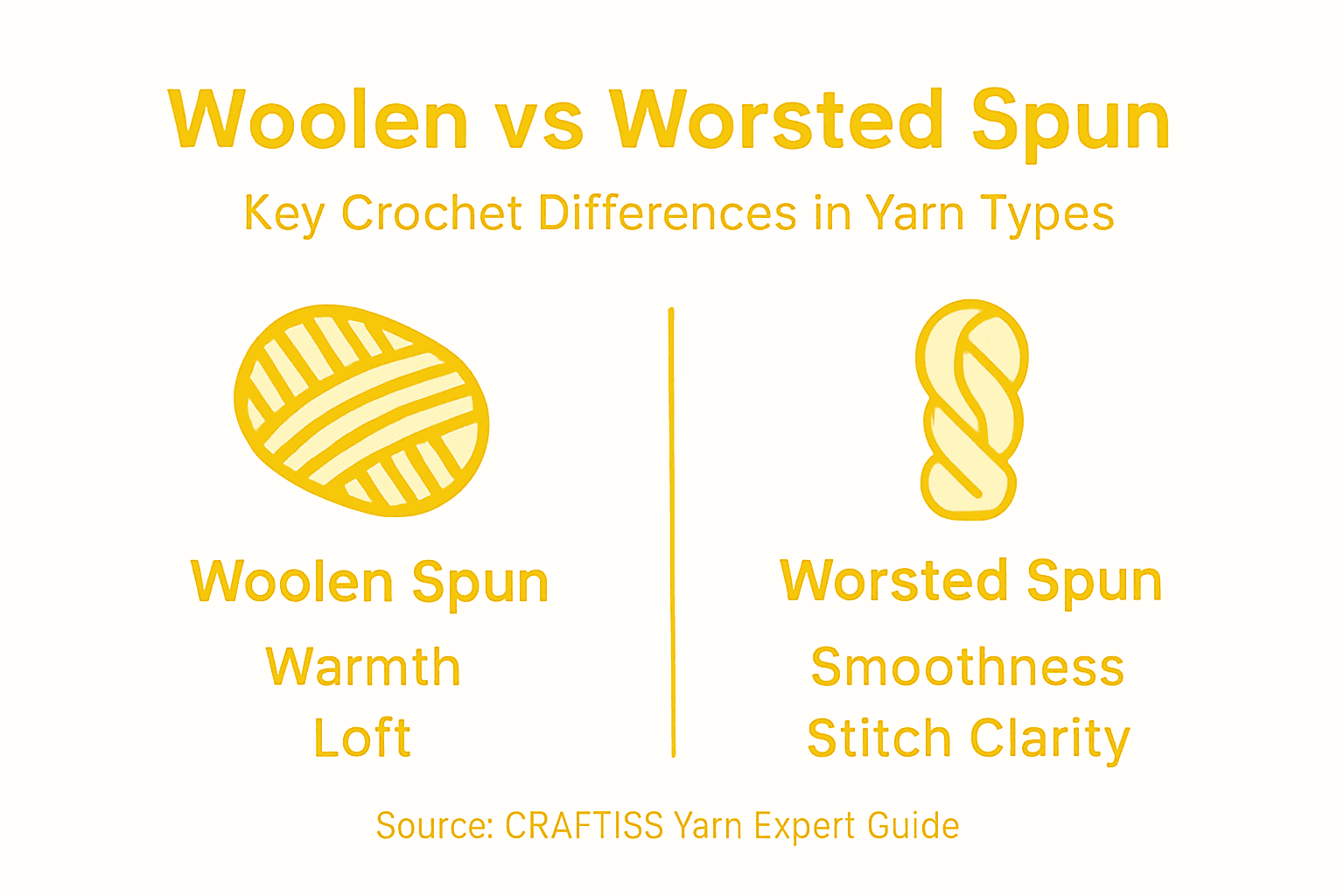
Consider the practical differences that matter to crocheters. Woolen spun yarn is lighter and warmer, with a soft, cloud-like texture that many people find incredibly comfortable to wear. Worsted spun yarn is denser and stronger, making it ideal for projects requiring durability or crisp stitch clarity. Worsted spun yarn characteristics include superior tensile strength, meaning your stitches hold together more securely over time. This makes worsted better for frequently used items, structured garments, and projects with complex stitch patterns. Woolen spun, by contrast, is forgiving and flexible. It creates fabric with beautiful drape and natural stretch. A woolen sweater molds to your body comfortably, while a worsted sweater holds its shape more rigidly. For baby items and sensitive skin, woolen spun in quality fibers is often preferred because the yarn itself feels softer and less scratchy than equivalent worsted.
The visual differences extend to finished projects. Woolen spun creates projects with a hazy, soft appearance where stitches blend together slightly. This aesthetic appeals to many crafters who love the handmade, organic quality. Worsted spun creates sharper, more defined stitches where each stitch stands clearly visible. Cables, lace, colorwork, and intricate patterns all benefit from worsted’s clarity. Worsted also resists pilling better than woolen spun in many fiber types, making it more practical for items that experience friction like armpit seams or bag straps. However, woolen spun often feels more lux and cozy, which matters significantly for blankets, scarves, and garments meant primarily for comfort rather than durability. Neither is objectively better. Your choice should depend on your project goals, desired aesthetic, and how you plan to use the finished item.
Comparison Table
| Characteristic | Woolen Spun | Worsted Spun |
|---|---|---|
| Fiber Alignment | Random, loose | Parallel, organized |
| Texture | Fuzzy, halo effect | Smooth, defined |
| Warmth | Excellent insulation | Good insulation |
| Loft | High | Low |
| Durability | Moderate | High |
| Stitch Definition | Soft, blended | Crisp, clear |
| Weight | Lighter | Heavier |
| Best For | Warmth, comfort, simple stitches | Durability, detail, structure |
| Drape | Fluid, stretchy | Holds shape, rigid |
Pro tip: Test both woolen and worsted spun versions of the same fiber type in the same project pattern to experience firsthand how spinning method affects finished results, helping you develop intuition about which works best for your personal aesthetic preferences.
Discover the Warmth and Loft You Deserve with Woolen Spun Yarn
Struggling to find yarn that balances warmth, loftiness, and softness for your next cozy crochet project Woolen spun yarn offers unbeatable insulation and an irresistibly soft texture but choosing the right supplies to maximize these benefits can be tricky. If you want to avoid common pitfalls like tight tension, poor stitch definition, or disappointing durability then look no further.
.png)
Explore our premium selection at Yarn – CRAFTISS where every skein is chosen to highlight the unique qualities of woolen spun yarn. Plus find the perfect tools and Yarn Bags – CRAFTISS designed to keep your soft, lofty yarn in pristine condition. Visit CRAFTISS today and start creating the warm, drapey, and comfortable crochet pieces you have been dreaming about. Don’t wait to transform your craft with yarn that truly meets your needs.
Frequently Asked Questions
What is woolen spun yarn?
Woolen spun yarn is made from short staple fibers that are twisted together with a loose fiber alignment, resulting in a soft, fluffy texture. This yarn traps air pockets, providing excellent warmth without added weight, making it ideal for cozy projects like blankets and sweaters.
How is woolen spun yarn made?
Woolen spun yarn is created through a process that includes carding and minimal thinning during spinning. Carding separates the fibers while keeping them in random directions, and the spinning process retains their loftiness, resulting in a yarn with a fuzzy appearance and high insulation properties.
What are the best uses for woolen spun yarn in crochet projects?
Woolen spun yarn excels in projects that require warmth and a soft texture, such as blankets, shawls, sweaters, and mittens. Simple stitch patterns work best, as complex designs may lose their definition due to the yarn’s fuzzy nature.
How does woolen spun yarn compare to worsted spun yarn?
Woolen spun yarn features a loose, fuzzy texture, high loft, and exceptional warmth but may have less durability and stitch definition compared to worsted spun yarn, which has a smooth, defined appearance, greater tensile strength, and is better suited for detailed stitch patterns.
