


What Is Yarn Halo and Why Texture Matters
Most American fiber artists are surprised to learn that the right yarn halo can turn a basic knitted scarf into a truly eye-catching accessory. This soft, fuzzy effect is what gives handmade items their signature warmth and texture. Choosing the best fibers for halo is more than just a style decision. By understanding how materials like mohair, angora, and alpaca influence halo, crafters can create pieces that feel both luxurious and uniquely personal.
Table of Contents
- What Yarn Halo Means in Fiber Arts
- Common Yarn Halo Types and Variations
- How Halo Affects Crochet and Knitting Projects
- Popular Fibers That Produce Yarn Halo
- Care Tips and Mistakes When Using Haloed Yarn
Key Takeaways
| Point | Details |
|---|---|
| Understanding Yarn Halo | Yarn halo is a desirable fuzzy texture that enhances the softness and appearance of knitted and crocheted projects, influenced by fiber type and spinning technique. |
| Choosing the Right Yarn | Selecting yarns with the appropriate halo can significantly affect project outcomes, especially in terms of aesthetics, drape, and warmth. |
| Care Techniques | High-halo yarns require careful handling and storage to maintain their unique properties, including gentle washing and avoiding compression. |
| Impact on Project Design | Different halo intensities can dramatically change the look of various projects, making knowledge of halo characteristics essential for crafting successful textiles. |
What Yarn Halo Means in Fiber Arts
Yarn halo describes a distinctive fuzzy texture that develops around yarn fibers, creating a soft, ethereal appearance in knitted or crocheted projects. This phenomenon occurs naturally with certain fiber types, particularly those with longer, more flexible hair like mohair, alpaca, and angora. When these fibers are spun and worked into stitches, they create a gentle, cloud-like effect around the main yarn structure.
Understanding yarn fiber types helps crafters recognize how different materials contribute to halo development. Halo is not a flaw but a desirable characteristic that adds depth, softness, and visual interest to handmade textiles. Some yarns intentionally leverage this quality to create lightweight, airy garments with a romantic, soft appearance.
The intensity of yarn halo depends on multiple factors. Fiber length, spinning technique, and twist all influence how dramatically a yarn will bloom and create its characteristic fuzzy effect. Woolen-spun yarns typically produce more pronounced halos compared to worsted-spun yarns, which have tighter, more compact fiber arrangements. Crafters seeking a more defined halo often choose yarns with longer, softer fibers like kid mohair or fine alpaca, which naturally generate that beautiful, soft-edged aesthetic that makes handmade items look delicate and sophisticated.
For fiber artists, recognizing and selecting yarns with the right halo can transform a basic project into something extraordinary. When working with high-halo yarns, crafters should consider stitch pattern, garment drape, and intended warmth, as these fuzzy fibers can dramatically change a project’s final texture and appearance. Whether you’re creating a lightweight shawl or a cozy winter sweater, understanding yarn halo helps you make more intentional crafting choices.
Recommended supplies for your project


Common Yarn Halo Types and Variations
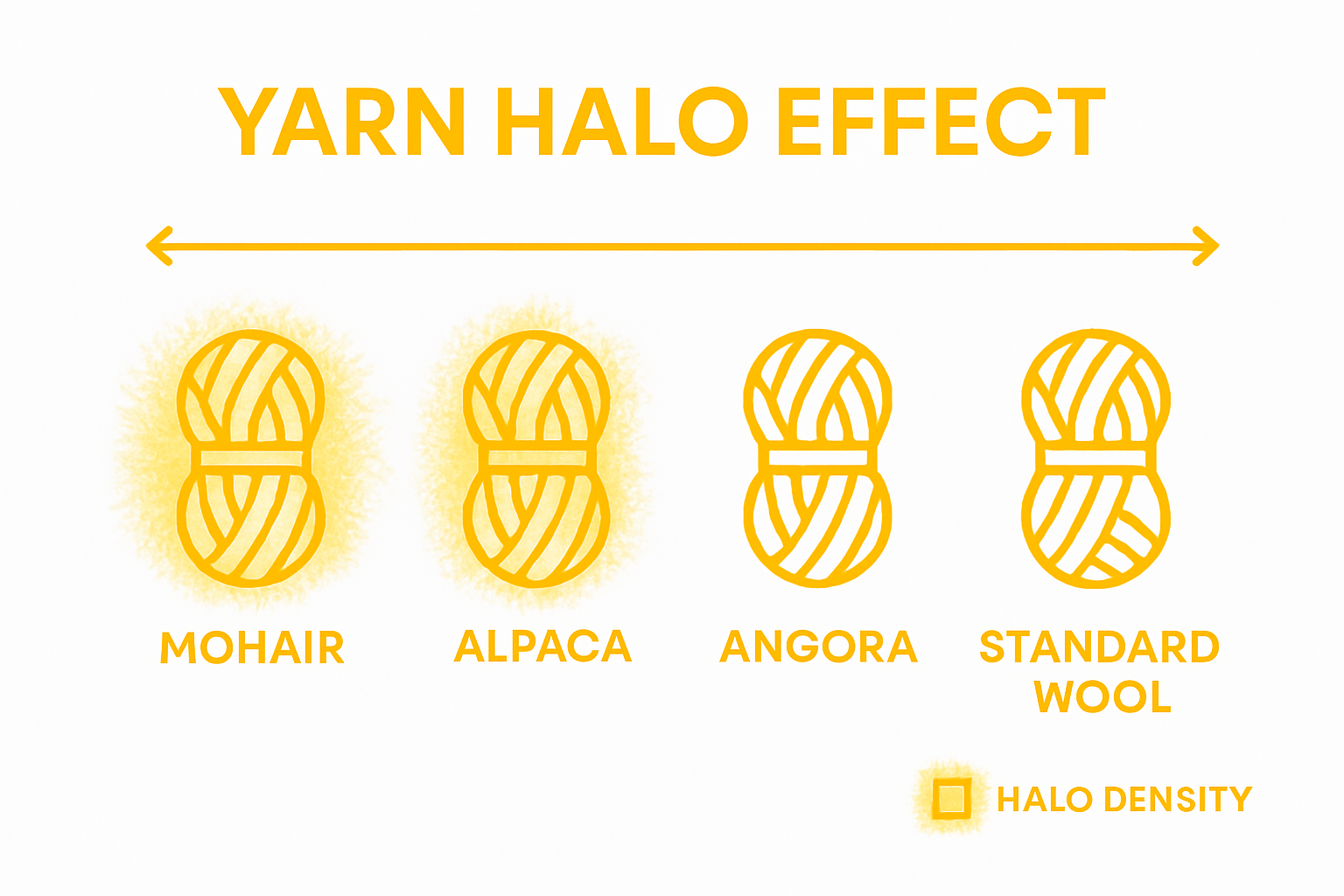
Yarn halo variations are diverse, each representing unique characteristics influenced by fiber composition and spinning techniques. Essential yarn types significantly impact the final halo effect, creating distinct textures that appeal to different crafting preferences. Mohair represents the quintessential high-halo fiber, generating an exceptionally fuzzy, cloud-like appearance that transforms knitted and crocheted projects with its ethereal softness.
Different fiber types produce dramatically different halo intensities. Alpaca yarn creates a soft, gentle halo with remarkable warmth, while angora generates an extremely pronounced fuzzy effect. Silk and silk-blend yarns produce a more subtle, luminous halo that adds elegant shimmering qualities to textiles. Wool yarns offer moderate halo development, with breed-specific variations like merino producing softer, more diffused halos compared to coarser wool varieties.
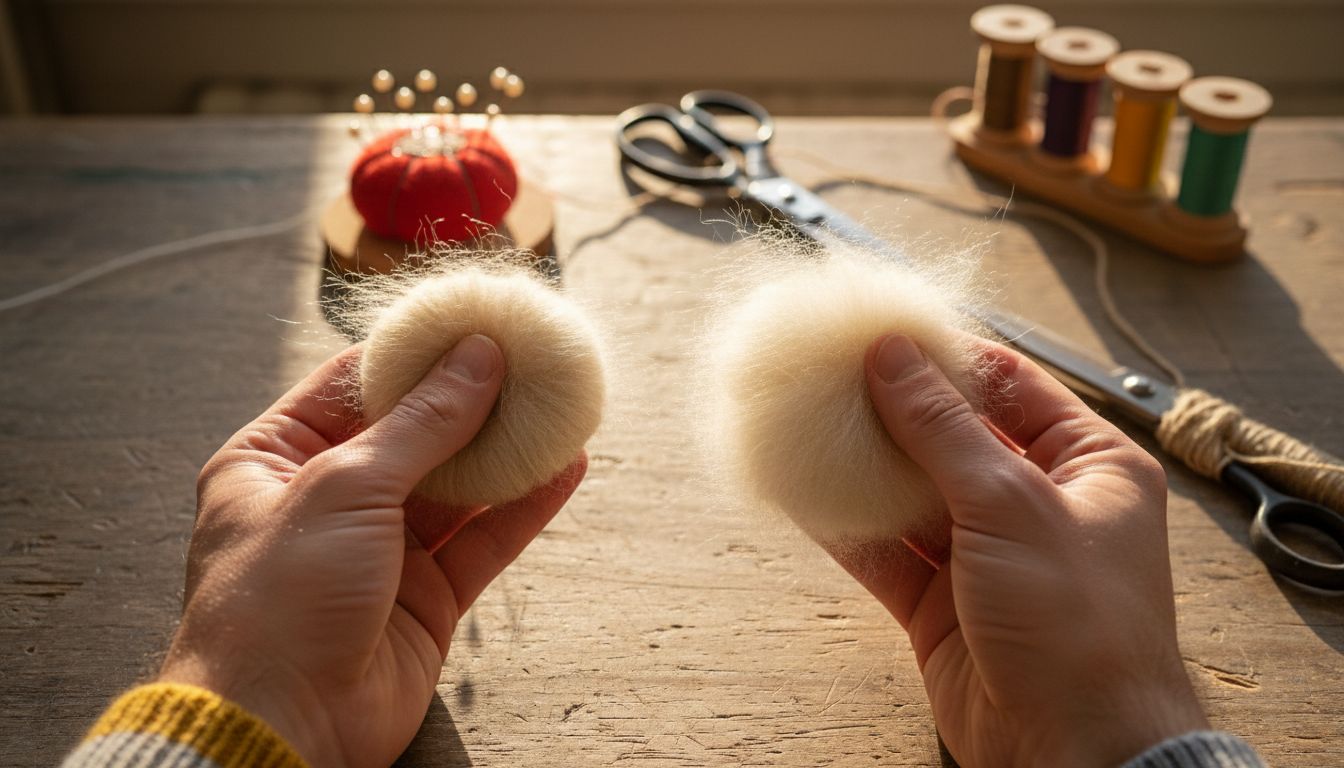
The spinning method dramatically influences halo characteristics. Woolen-spun yarns typically generate more expansive, softer halos due to their less-compressed fiber arrangements. Worsted-spun yarns create tighter, more controlled halo effects with smoother surface textures. Lace-weight and fingering-weight yarns often showcase more delicate halo qualities, while bulky and chunky yarns tend to have more pronounced, dramatic fuzzy edges that can completely transform a project’s visual and tactile experience.
Crafters can strategically select yarns based on desired halo effects. A shawl might benefit from a high-halo mohair blend for a romantic, ethereal appearance, while a structured sweater might require a more controlled halo from a wool-silk combination. Understanding these variations allows fiber artists to intentionally choose yarns that will create specific textural and visual outcomes, turning simple crafting materials into sophisticated, personalized textile expressions.
How Halo Affects Crochet and Knitting Projects
In crochet and knitting, yarn halo fundamentally transforms project aesthetics and performance. Beginner crafters learning yarn techniques quickly discover that halo significantly impacts fabric drape, warmth, and overall visual texture. Halo effect can make identical stitch patterns look dramatically different depending on the selected yarn, turning simple projects into sophisticated textile expressions.
The impact of halo varies across different project types. Shawls and lightweight accessories benefit from high-halo yarns like mohair, which create soft, ethereal edges that float delicately around the base fabric. Structured garments like sweaters and jackets require more controlled halo effects, where wool or wool-blend yarns provide subtle fuzzy characteristics without compromising the garment’s shape and structural integrity. Lace patterns particularly shine with high-halo yarns, as the fuzzy edges soften sharp geometric lines and create a more romantic, diffused appearance.
Technical considerations become crucial when working with high-halo yarns. Stitch tension, needle or hook size, and blocking techniques can dramatically influence the final halo effect. Looser stitches allow more fiber bloom, while tighter stitches compress the halo, creating a more structured look. Knitters and crocheters must also consider yarn weight and fiber content, as these factors directly impact how dramatically the halo will develop during and after project completion. Some crafters intentionally choose yarns with specific halo characteristics to achieve desired textural and visual outcomes.
Advanced crafters often strategically combine yarns with different halo properties to create complex, multidimensional textile surfaces. A project might incorporate a high-halo mohair yarn as an accent strand with a more stable wool base, creating depth and visual interest. Understanding how different fibers interact and develop their characteristic fuzzy edges allows crafters to push beyond traditional techniques, transforming simple stitches into intricate, sophisticated textile art.
Popular Fibers That Produce Yarn Halo
Fiber selection plays a critical role in generating distinctive yarn halo characteristics. Essential knitting yarn types reveal how different natural and synthetic fibers create unique fuzzy textures. Mohair stands out as the quintessential high-halo fiber, derived from Angora goats and renowned for its exceptional ability to create soft, cloud-like surfaces that transform knitted and crocheted projects with ethereal lightness.
Alpaca fibers produce another remarkable halo effect, offering a softer, more subdued fuzzy appearance compared to mohair. The long, fine hair of alpaca breeds generates a gentle, warm halo that adds sophisticated depth to textiles. Angora rabbit fur represents the pinnacle of halo production, creating an incredibly soft, almost floating texture that makes garments feel incredibly lightweight and luxurious. Silk and silk-blend yarns contribute a more subtle, luminous halo that adds elegant shimmering qualities to the fabric surface.
Wool fibers demonstrate significant variation in halo characteristics depending on the specific breed and processing technique. Merino wool creates a soft, diffused halo with remarkable warmth, while coarser wool breeds produce more structured, less expansive fuzzy effects. Synthetic fibers like mohair-nylon blends offer crafters engineered halo properties, combining the softness of natural fibers with enhanced durability and consistent performance. These engineered blends allow crafters to achieve specific textural goals while maintaining practical considerations like wash resistance and long-term garment maintenance.
Advanced fiber artists understand that halo production is not just about the base fiber but also involves sophisticated spinning techniques. Woolen-spun yarns typically generate more expansive halos due to their less-compressed fiber arrangements, while worsted-spun yarns create more controlled, smoother surface textures. Selecting the right fiber becomes an art form, with crafters carefully balancing aesthetic desires, project requirements, and the unique characteristics of different natural and synthetic materials to create truly exceptional textile expressions.
Care Tips and Mistakes When Using Haloed Yarn
Beginner crochet enthusiasts often encounter unique challenges when working with haloed yarns, requiring specialized handling techniques. Delicate fibers like mohair and angora demand careful treatment to preserve their distinctive fuzzy texture and prevent potential damage. The most critical mistake crafters make is treating high-halo yarns like standard wool, which can lead to significant fiber degradation and loss of the characteristic soft, ethereal appearance.
Proper storage represents a fundamental aspect of maintaining haloed yarn’s integrity. High-halo yarns should be stored in cool, dry environments away from direct sunlight, which can cause fiber breakdown and color fading. Moisture and humidity pose significant risks, potentially causing fibers to mat or develop mildew. Crafters should use breathable storage containers and avoid plastic bags, which can trap moisture and compromise the yarn’s delicate structure. Acid-free tissue paper can help maintain the yarn’s shape and prevent unwanted compression that might damage the characteristic fuzzy texture.
Washing and blocking techniques require extraordinary precision when working with high-halo yarns. Aggressive washing can destroy the delicate halo effect, causing fibers to felt or become matted. Hand washing in cool water with a gentle, wool-specific detergent is recommended, using minimal agitation and avoiding wringing or twisting. Blocking should be done with extreme care, using light pinning and allowing the garment to dry naturally at room temperature. Some crafters recommend using a mesh bag during gentle machine washing for synthetic blend haloed yarns, which can provide slightly more durability compared to pure natural fiber versions.
Advanced crafters understand that needle and hook selection dramatically impacts the final halo appearance. Larger needles or hooks create more open, expansive stitches that allow the yarn’s fuzzy characteristics to fully develop, while smaller tools compress the fibers and reduce the halo effect. Tension control becomes crucial when working with haloed yarns, as inconsistent stitching can create uneven texture and compromise the garment’s overall aesthetic. Practicing with sample swatches helps crafters understand how different techniques influence the yarn’s unique fuzzy characteristics, ultimately allowing them to create more sophisticated and visually compelling textile projects.
Discover the Magic of Yarn Halo in Your Next Project
Understanding yarn halo unlocks the secret to creating breathtakingly soft, textured projects that stand out. If you are eager to bring that delicate, fuzzy glow into your knitting or crochet work you need the right yarn to make it happen. Many crafters struggle to find yarns that deliver the perfect halo effect without compromising their project’s structure and warmth. At Craftiss we offer a carefully curated selection of premium yarns designed to produce stunning halo textures allowing you to elevate every stitch.
.png)
Explore our exclusive Yarn collection for fibers like mohair alpaca and angora known for their beautiful halo effects. Don’t settle for ordinary when your projects deserve extraordinary softness and dimension. Visit Craftiss now to browse yarns that make texture matter and see why fiber artists trust us to turn their creative visions into delicate, cozy reality. Complete your crafting toolkit with our specially designed Yarn Bags that protect your fibers and keep your workspace organized. Start your journey to softer more captivating creations today.
Frequently Asked Questions
What is yarn halo and how does it affect my project?
Yarn halo refers to the fuzzy texture that forms around certain yarn fibers, creating a soft, cloud-like effect in finished knitted or crocheted items. This texture impacts the overall appearance, warmth, and drape of your project, making it look more delicate and sophisticated.
Which fibers create the best yarn halo?
Fibers like mohair, alpaca, and angora are known for producing the most pronounced yarn halos. Mohair, in particular, creates an exceptionally fuzzy and soft aesthetic, while alpaca offers a gentler halo and warmth. Silk blends can also add subtle luminosity to the halo effect.
How do I choose the right yarn for my project based on halo?
To choose the right yarn, consider the intended use of your project. High-halo yarns like mohair are ideal for lightweight shawls or accessories, while structured garments may benefit from yarns with more controlled halos, such as wool or wool-silk blends, to maintain shape and integrity.
What care tips should I follow when using high-halo yarns?
When using high-halo yarns, store them in cool, dry places, avoid aggressive washing, and hand wash carefully with a gentle detergent. Also, utilize appropriate blocking techniques, and choose larger needles or hooks to allow the yarn’s halo to develop fully.
Recommended
- What is Yarn Over? Understanding Its Importance in Knitting – CRAFTISS
- Understanding the Role of Yarn Weight in Crafting – CRAFTISS
- Yarn Loft Explained: Complete Guide for Crafters – CRAFTISS
- Understanding Why Yarn Quality Matters for Crafters – CRAFTISS
- Woven Blankets Explained – What They Are and Why the Material Matters – FunLifeNow
- Cozee Bay - Understanding the Qualities of Handcrafted Bamboo Items
