


What is Yak Yarn? Understanding Its Unique Qualities
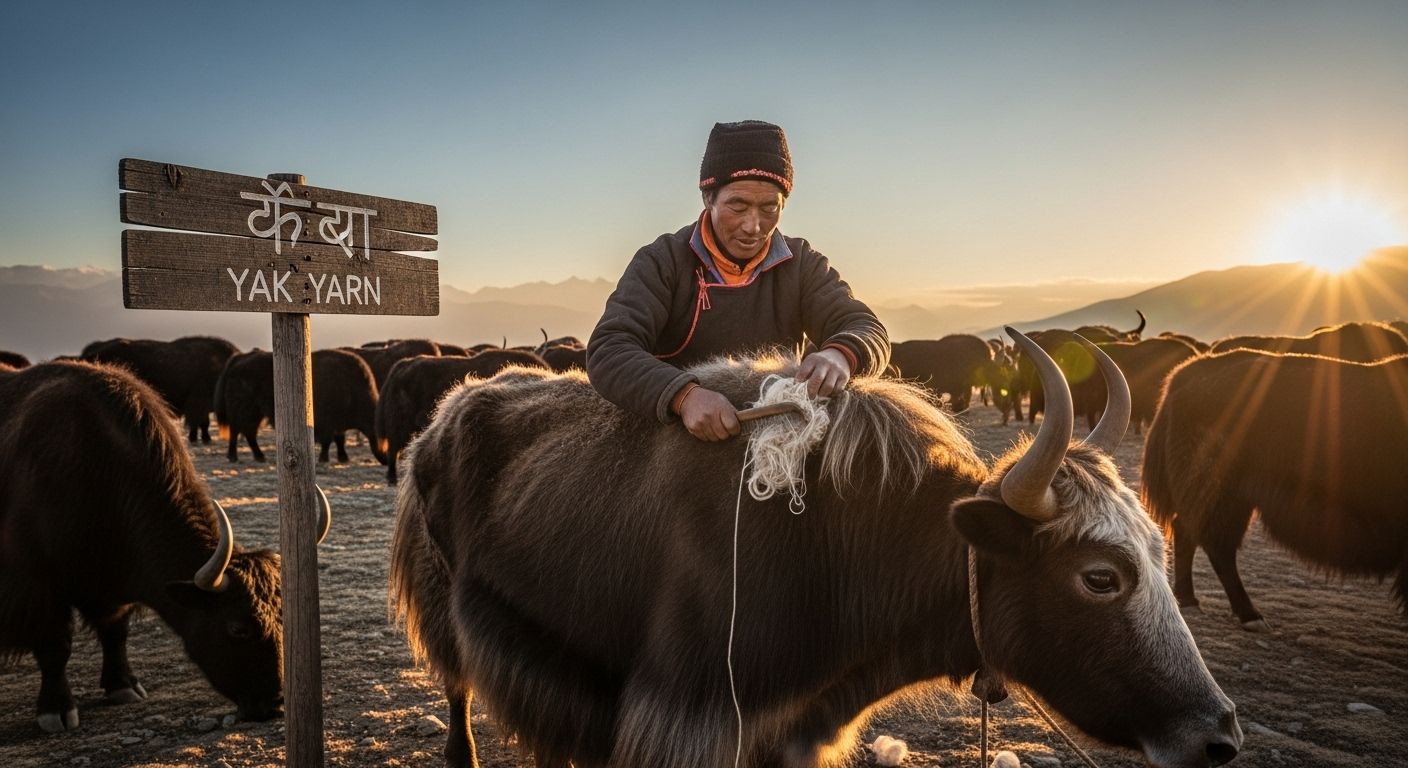
Yak yarn might sound like some niche choice for hardcore knitters, but it actually comes from the dense undercoat of yaks living high up in the Himalayas, Nepal, and Mongolia. Here is what most people miss. A single yak produces only about 100 grams of usable fiber per year, making yak yarn rarer and softer than even cashmere. That puts each skein in a league of its own and opens up a world of luxurious, sustainable crafting possibilities few ever consider.
Table of Contents
- The Origins Of Yak Yarn: Understanding Its Source
- Characteristics Of Yak Yarn: Why It Stands Out
- The Benefits Of Using Yak Yarn For Crafts
- How Yak Yarn Is Made: The Process And Techniques
- Crafting With Yak Yarn: Applications And Tips
Quick Summary
| Takeaway | Explanation |
|---|---|
| Yak yarn is sourced from yak undercoat | The finest yak fibers come from the dense undercoat, collected primarily during the spring molt. |
| Harvesting requires skill and care | Herders must manually separate fine fibers from coarse hair, ensuring only high-quality material is used. |
| Yak yarn is warm, soft, and lightweight | Its thermal insulation and soft texture make yak yarn ideal for winter wear and accessories. |
| Sustainable, ethical harvesting practices | Yak hair is collected in ways that respect the animal’s natural shedding process, supporting environmental sustainability. |
| Versatile for various crafts | Yak yarn can be used in knitting, crocheting, weaving, and felting due to its unique properties. |
The Origins of Yak Yarn: Understanding Its Source
Yak yarn represents a remarkable textile material sourced from the dense undercoat of yaks, primarily found in the high-altitude regions of Central Asia. These remarkable animals have evolved remarkable fiber production capabilities to survive in extreme mountainous environments where temperatures can plummet well below freezing.
The Unique Habitat of Yak Hair Production
The origins of yak yarn are deeply connected to the challenging geographical landscape of the Himalayan plateau, spanning regions like Tibet, Nepal, Bhutan, and parts of Mongolia. According to the Food and Agriculture Organization, yaks produce an average of 100 grams of hair annually, with the fiber consisting of two distinct types: coarse outer hair and fine down hair. The down hair, remarkably similar to cashmere in quality, becomes the primary source for creating soft, luxurious yarn.
Harvesting and Processing Techniques
Yak hair collection is a seasonal process typically occurring during the spring molt. Herders carefully collect the fine undercoat hair through combing, which requires significant skill to separate the desirable fine fibers from the coarser outer hair. This meticulous process ensures that only the highest quality fibers are used for yarn production.
Key characteristics of yak fiber collection include:
- Seasonal harvesting during spring molt
- Manual separation of fine undercoat from coarse outer hair
- Careful handling to maintain fiber integrity
- Sustainable practices that respect the animal’s natural shedding cycle
For crafters interested in understanding more about yarn qualities, read our comprehensive guide on yarn selection.
Characteristics of Yak Yarn: Why It Stands Out
Yak yarn represents an extraordinary textile material with unique properties that distinguish it from other natural fibers. Its exceptional characteristics stem from the remarkable environmental adaptations of yaks living in harsh, high-altitude regions.
Fiber Structure and Quality
According to research from the Food and Agriculture Organization, yak fiber exhibits extraordinary properties that make it comparable to premium materials like cashmere. The fiber diameter ranges between 15-20 microns, creating an exceptionally soft and lightweight yarn.
 This fine undercoat hair provides remarkable thermal insulation and remarkable softness.
Performance and Thermal Properties
Yak yarn demonstrates outstanding performance characteristics that make it highly sought after in textile production. Key performance attributes include exceptional warmth retention, moisture-wicking capabilities, and natural temperature regulation. The fiber’s unique structure allows it to trap air effectively, creating an insulating layer that keeps wearers warm in cold environments while remaining breathable.
Unique characteristics of yak yarn include:
- Exceptional thermal insulation properties
- Soft texture comparable to cashmere
- Natural moisture-wicking capabilities
- Lightweight and comfortable wear
- Sustainable and environmentally friendly production
For crafters interested in exploring different yarn types, learn more about lightweight yarn characteristics and how they compare to specialized fibers like yak yarn.
Durability and Sustainability
Beyond its luxurious feel, yak yarn stands out for its remarkable durability and sustainable production methods. The fiber’s natural resilience allows it to maintain structural integrity over time, resisting wear and maintaining its soft texture through multiple uses and washes. Additionally, yak hair collection occurs through ethical, low-impact harvesting techniques that respect the animal’s natural shedding cycle, making it an environmentally conscious textile choice.
The Benefits of Using Yak Yarn for Crafts
Yak yarn offers crafters an exceptional alternative to traditional textile materials, providing unique advantages that elevate craft projects from ordinary to extraordinary. Its distinctive properties make it an increasingly popular choice among experienced and novice artisans seeking high-quality, sustainable textile options.
Versatility in Craft Applications
According to the Food and Agriculture Organization, yak hair demonstrates remarkable adaptability across various craft applications. The fiber’s inherent characteristics allow crafters to create everything from delicate garments to robust outdoor accessories. Textile versatility means yak yarn can be utilized in knitting, crocheting, weaving, and even felting projects, providing creators with extensive creative possibilities.
Performance and Comfort in Handmade Items
Yak yarn distinguishes itself through exceptional performance characteristics that enhance the quality of handmade crafts. The fiber’s natural thermal regulation and moisture-wicking properties ensure that items like scarves, sweaters, and blankets provide superior comfort and functionality. Thermal insulation makes yak yarn particularly valuable for creating winter wear and cold-weather accessories that maintain warmth without excessive weight.
Key benefits for crafters include:
- Superior warmth retention
- Lightweight and soft texture
- Natural moisture management
- Excellent durability
- Hypoallergenic properties
For crafters looking to expand their creative skills, explore our guide to creating adorable yarn pom-poms and discover new ways to incorporate unique fibers like yak yarn.
Sustainability and Ethical Crafting
Beyond performance, yak yarn represents an environmentally conscious choice for craft enthusiasts. The fiber is harvested through low-impact methods that respect the animal’s natural shedding cycle, ensuring minimal environmental disruption. By choosing yak yarn, crafters contribute to sustainable textile production and support traditional herding communities in regions like Tibet and Mongolia, transforming each craft project into a statement of ecological and social responsibility.
To clarify why yak yarn is prized in textile crafts, here is a table that highlights its key features and how each benefits crafters and end users.
| Feature | Description | Benefit to Crafters and Users |
|---|---|---|
| Softness | Fine undercoat (15-20 micron diameter) | Yields a luxurious, gentle feel, ideal for sensitive skin |
| Thermal Insulation | Traps air efficiently, retaining heat | Keeps wearers warm in cold weather without heavy weight |
| Moisture-Wicking | Naturally manages and draws away moisture | Enhances comfort, especially for winter accessories |
| Lightweight | Less dense than many wool fibers | Enables creation of comfortable, non-bulky garments |
| Durability | Natural resilience and structural integrity | Finished items last longer and resist wear |
| Hypoallergenic | Free from common allergens found in some wools | Great for people with wool sensitivities |
| Sustainability | Harvested via ethical, low-impact methods during natural molt | Supports eco-friendly crafting and traditional herder communities |
How Yak Yarn is Made: The Process and Techniques
The production of yak yarn represents a complex and intricate process that transforms raw animal fiber into a luxurious textile material. This journey from mountain pastures to refined yarn involves multiple sophisticated stages that require exceptional skill and traditional knowledge.
Harvesting the Raw Fiber
According to the Food and Agriculture Organization, yak hair collection is a delicate seasonal process typically occurring during the spring molt. Herders carefully comb or pull the fine undercoat hair, which yields approximately 100 grams of fiber per animal annually. Selective harvesting ensures that only the highest quality down hair is collected, separating it from the coarser outer hair.
Fiber Processing and Preparation
Once collected, the raw yak fiber undergoes several critical processing stages. The initial step involves de-hairing, a meticulous technique that removes coarse guard hairs, leaving behind the soft, fine undercoat fibers. This process requires specialized machinery and expert knowledge to maintain the fiber’s inherent qualities. Specialized mills wash the collected fiber, removing dirt and natural oils while preserving its delicate structural integrity.
Key stages in yak yarn production include:
- Seasonal harvesting during spring molt
- Careful separation of fine undercoat from coarse hair
- Washing and cleaning of raw fiber
- De-hairing to remove unwanted coarse hairs
- Spinning into refined yarn
For crafters interested in exploring different yarn techniques, check out our comprehensive guide on worsted yarn to understand various yarn production methods.
Spinning and Final Preparation
The final transformation occurs during spinning, where the processed fiber is twisted and drawn into continuous threads. Skilled artisans use traditional spinning wheels or modern mechanical equipment to create yarn with consistent thickness and strength. The spinning process can vary depending on the desired final product, with some yarns spun tightly for durability and others left softer for luxurious textile applications. This stage represents the culmination of a complex journey that begins high in the mountain regions where yaks roam.
To help readers visualize the transformation from raw yak hair to finished yarn, this table summarizes each stage in the yak yarn production process as described in the article.
| Stage | Description | Purpose/Outcome |
|---|---|---|
| Harvesting | Fine undercoat is collected during the spring molt | Gathers high-quality raw fiber |
| Separation | Manual and mechanical separation of soft undercoat from coarse hair | Ensures only the finest fibers are processed |
| Washing and Cleaning | Raw fiber is washed to remove dirt and natural oils | Prepares fiber for processing |
| De-hairing | Removal of any remaining coarse guard hairs | Leaves only the soft, usable down fiber |
| Spinning | Fibers are twisted into continuous threads using wheels or machines | Produces consistent, usable yarn |
| Final Preparation | Yarn is finished for crafting and sale | Ensures desired softness, thickness, and quality |
Crafting with Yak Yarn: Applications and Tips
Yak yarn emerges as a versatile and sophisticated material that offers crafters extraordinary possibilities across multiple textile projects. Its unique properties make it an exceptional choice for artisans seeking to create high-performance, luxurious handmade items with exceptional thermal and tactile qualities.
Recommended Craft Applications
According to the Food and Agriculture Organization, yak fiber demonstrates remarkable adaptability in crafting various textile products. Traditional applications include creating durable ropes, waterproof tents, warm blankets, intricate garments, and lightweight accessories. The fiber’s natural characteristics make it particularly suitable for crafting winter wear, outdoor equipment, and delicate clothing items that require superior warmth and breathability.
Crafting Techniques and Considerations
Working with yak yarn requires specialized techniques to maximize its unique properties. The fiber’s fine diameter and soft texture demand gentle handling and specific knitting or crocheting approaches. Crafters should use relatively smaller needle sizes to maintain the yarn’s structural integrity and prevent stretching. Blending techniques can enhance the yarn’s performance, combining yak fiber with other natural materials like silk or merino wool to create more robust and versatile textiles.
Key considerations for crafting with yak yarn include:
- Use smaller needle or hook sizes
- Handle fiber gently to preserve softness
- Consider blending with complementary fibers
- Wash and block projects carefully
- Select patterns that showcase fiber’s unique qualities
For beginners looking to explore yarn crafting techniques, check out our comprehensive guide to crocheting and learn fundamental skills that can be applied to working with specialized fibers like yak yarn.
Care and Maintenance Tips
Proper care is crucial to maintaining the exceptional qualities of yak yarn projects. The fiber requires gentle washing techniques, typically using mild detergents and cool water to preserve its natural softness and thermal properties. Air drying flat helps maintain the garment’s shape and prevents potential shrinkage. By following these specialized care instructions, crafters can ensure their yak yarn creations remain beautiful and functional for many years.
Discover Genuine Yak Yarn for Your Next Project
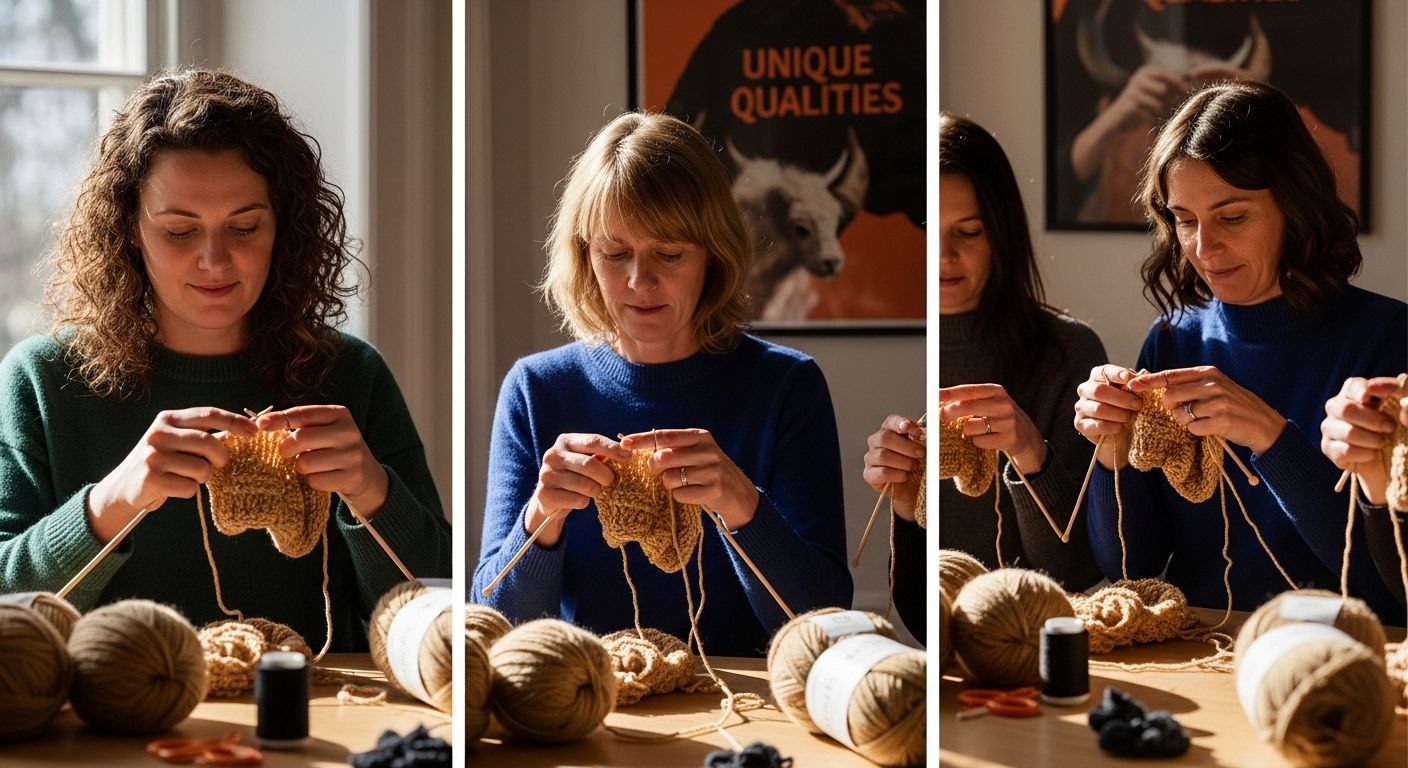
Are you excited by the extraordinary softness, warmth, and sustainability of yak yarn, but unsure where to source trustworthy materials for your craft? If you value natural fibers, ethical harvesting, and a premium touch for special creations, you need access to yarns that deliver on every promise. Craftiss knows the unique appeal of yak yarn, and we are devoted to helping crafters like you find authentic options that match these high standards. The qualities explored in the article—exceptional insulation, softness similar to cashmere, and eco-friendly harvesting—can become a reality in your next handmade piece with the right supplier.
.png)
Visit our curated Yarn Collection for specialty fibers, including luxurious alternatives to the basics. Embrace the comfort and performance of superior yarn, then keep your growing stash organized with our collection of Yarn Bags. Ready to elevate your craft? Explore even more inspiration, tips, and premium supplies at Craftiss.com. Shop now and bring the exceptional comfort of yak yarn into your creative life—your next favorite project starts with one click.
Frequently Asked Questions
What is yak yarn made from?
Yak yarn is made from the dense undercoat of yaks, specifically the fine down hair that is collected during the spring molt season. This fiber is known for its exceptional softness and warmth, comparable to cashmere.
How is yak yarn harvested?
Yak yarn is harvested by herders who carefully comb or pull the fine undercoat hair from yaks during their natural shedding period in spring. This process requires skill to separate the fine fibers from the coarser outer hair, ensuring only the highest quality material is collected.
What are the benefits of using yak yarn in crafting?
Yak yarn offers several benefits for crafters, including exceptional warmth retention, lightweight comfort, natural moisture-wicking properties, and excellent durability. It is also hypoallergenic, making it suitable for those with sensitive skin.
How should yak yarn be cared for?
To maintain the quality of yak yarn creations, they should be washed gently using mild detergent and cool water. It’s important to air dry projects flat to preserve their shape and avoid shrinkage.
Recommended
- What is Worsted Yarn? Understanding Its Uses and Qualities
- Why Use Lightweight Yarn
- Understanding Why Yarn Quality Matters for Crafters
- Understanding the Role of Yarn Weight in Crafting


