


What Is Lace Weight Yarn and Why It Matters
Most American knitters and crocheters are surprised to learn that lace weight yarn is officially classified as Category 0, the absolute thinnest of all yarn types. This ultra-fine material inspires both fascination and confusion among crafters, who often believe it is too delicate for everyday projects. Understanding the real strengths and versatility of lace weight yarn helps unlock a world of intricate designs, refined textures, and projects that capture remarkable detail.
Table of Contents
- Defining Lace Weight Yarn And Common Misconceptions
- Identifying Lace Weight Yarn By Texture And Size
- Popular Crochet And Knitting Uses For Lace Yarn
- Comparing Lace Weight To Other Yarn Types
- Common Mistakes When Choosing Lace Weight Yarn
Key Takeaways
| Point | Details |
|---|---|
| Understanding Lace Weight Yarn | Lace weight yarn is the finest category of yarn, ideal for creating intricate, lightweight designs and is classified as Category 0 by the Craft Yarn Council of America. |
| Crafting Techniques | While often seen as challenging, lace weight can be mastered by intermediate crafters through practice and attention to tension control. |
| Project Applications | Common uses for lace weight yarn include delicate shawls, intricate doilies, and fine garments, demonstrating its versatility in crafting. |
| Avoiding Mistakes | Beginners should start with simple patterns and focus on proper needle selection and tension management to reduce frustrations with this delicate yarn type. |
Defining Lace Weight Yarn and Common Misconceptions
Lace weight yarn represents the finest and most delicate category of textile fibers, prized by experienced crafters for creating intricate, lightweight designs. According to the Craft Yarn Council of America classification system, lace weight yarn sits at the very bottom of the yarn weight spectrum as Category 0, characterized by its extremely thin diameter and minimal thickness.
Crafters often misunderstand lace weight yarn, believing it’s too fragile or challenging to work with. In reality, this yarn type offers remarkable versatility for creating sophisticated projects like delicate shawls, intricate doilies, fine garments, and elegant accessories. When worked with appropriately sized needles or hooks, lace weight yarn can produce breathtaking results that showcase incredible stitch definition and ethereal textures. The role of yarn weight in crafting becomes particularly nuanced with lace weight materials.
Key characteristics that distinguish lace weight yarn include:
- Extremely fine thread-like appearance
- Typically measuring 1-2 ply
- Recommended needle sizes ranging from US 000-1 (1.5-2.25mm)
- Requires patience and precision during crafting
- Best suited for experienced knitters and crocheters
- Produces lightweight, semi-transparent fabric textures
Contrary to popular belief, lace weight yarn isn’t exclusively for advanced crafters. With practice and proper techniques, even intermediate crafters can master working with these delicate fibers. The key lies in understanding tension control, selecting appropriate tools, and maintaining consistent stitch tension throughout your project.
Recommended supplies for your project


Identifying Lace Weight Yarn by Texture and Size
Identifying lace weight yarn requires understanding its unique physical characteristics and precise measurements. Technical specifications for lace weight yarn reveal that this delicate fiber typically measures extremely thin, with a distinct thread-like appearance that sets it apart from other yarn categories. Yarns classified in this weight category are remarkably fine, often appearing almost translucent and possessing an incredibly lightweight feel.
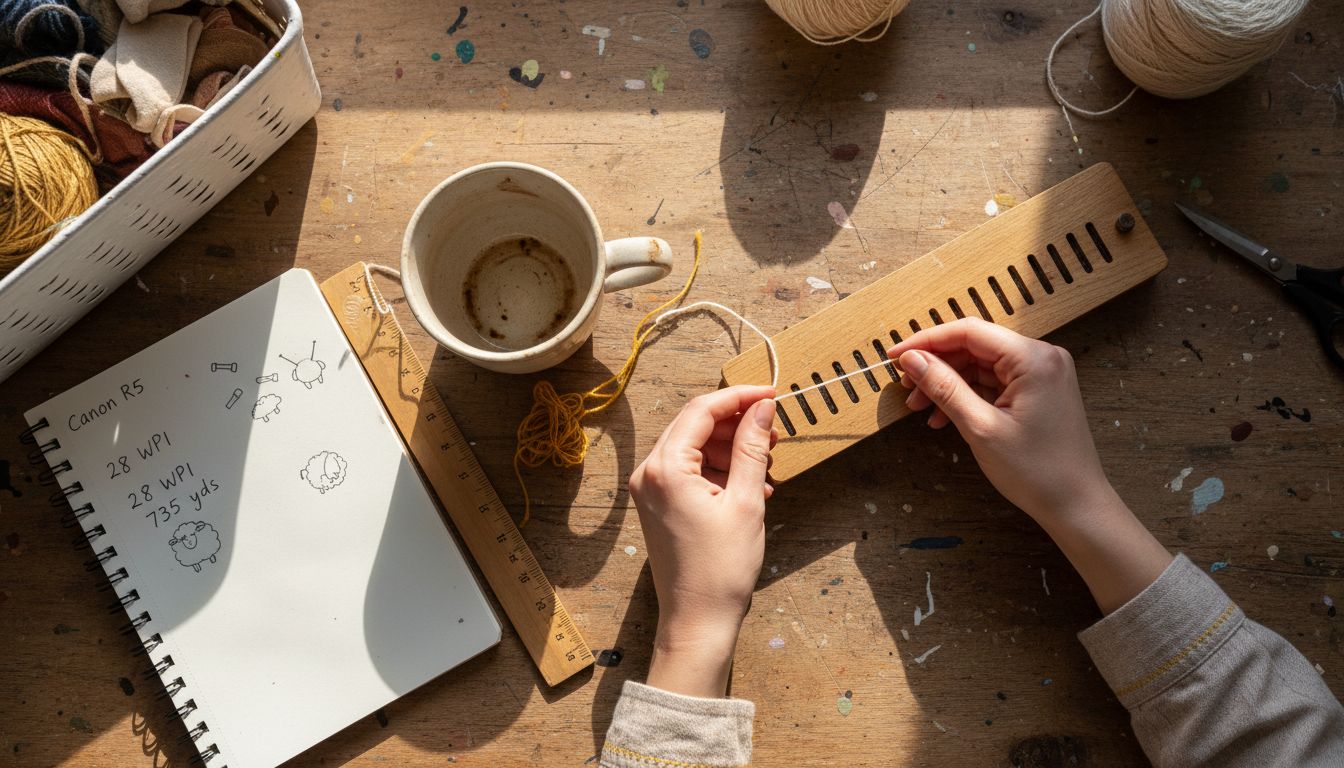
When examining lace weight yarn, crafters should focus on several key textural and dimensional attributes. According to specialized textile resources, these yarns typically measure 30-40 wraps per inch and feature an extremely slim profile. The gauge typically ranges from 33-40 stitches per 4 inches, making these yarns ideal for creating intricate, lightweight projects that demand precision and delicacy.
Key characteristics for identifying lace weight yarn include:
- Extremely thin diameter (smaller than fingering weight)
- Highly transparent or semi-transparent texture
- Typically 1-2 plies of extremely fine fiber
- Soft, almost gossamer-like appearance
- Minimal volume and weight
- Requires extremely small knitting needles (US 000-1)
Professional crafters recommend using a wraps per inch (WPI) tool to definitively determine yarn weight. By carefully wrapping the yarn around a ruler and counting the number of wraps within a single inch, crafters can precisely categorize their yarn. For lace weight, the goal is achieving 30-40 compact wraps, which distinguishes it from slightly heavier fingering weight varieties and ensures the delicate, intricate results characteristic of fine lace knitting and crocheting projects.
Popular Crochet and Knitting Uses for Lace Yarn
Lace weight yarn emerges as a versatile medium for creating breathtaking, intricate projects that demand exceptional delicacy and precision. Crochet pattern enthusiasts recognize this ultra-fine yarn as the ultimate choice for generating stunning lightweight garments and accessories that showcase incredible detail and craftsmanship.
Knitters and crocheters leverage lace weight yarn for a diverse range of specialized projects. Delicate shawls represent the most popular application, where the yarn’s exceptional thinness allows for complex, translucent patterns that drape elegantly across shoulders. These ethereal creations often feature intricate geometric designs, floral motifs, and complex lacework that highlight the yarn’s remarkable potential for sophisticated textile art.
Popular project categories for lace weight yarn include:
- Wedding veils and bridal accessories
- Lightweight summer scarves
- Intricate doilies
- Fine table runners
- Delicate wall hangings
- Gossamer-thin wraps and stoles
Beyond traditional applications, contemporary fiber artists push the boundaries of lace weight yarn’s potential. Knitters create incredibly fine garments like lightweight cardigans, summer tops, and intricate sweaters that provide warmth without bulk. Crocheters develop complex mandala designs, elaborate wall art, and miniature decorative pieces that showcase the yarn’s extraordinary capacity for precision and detail.
Comparing Lace Weight to Other Yarn Types
Yarn weight classification reveals the nuanced differences between various fiber thicknesses, with lace weight occupying a unique position at the finest end of the spectrum. According to the Craft Yarn Council of America’s standardized weight system, lace weight represents Category 0, making it the most delicate yarn type available to crafters.
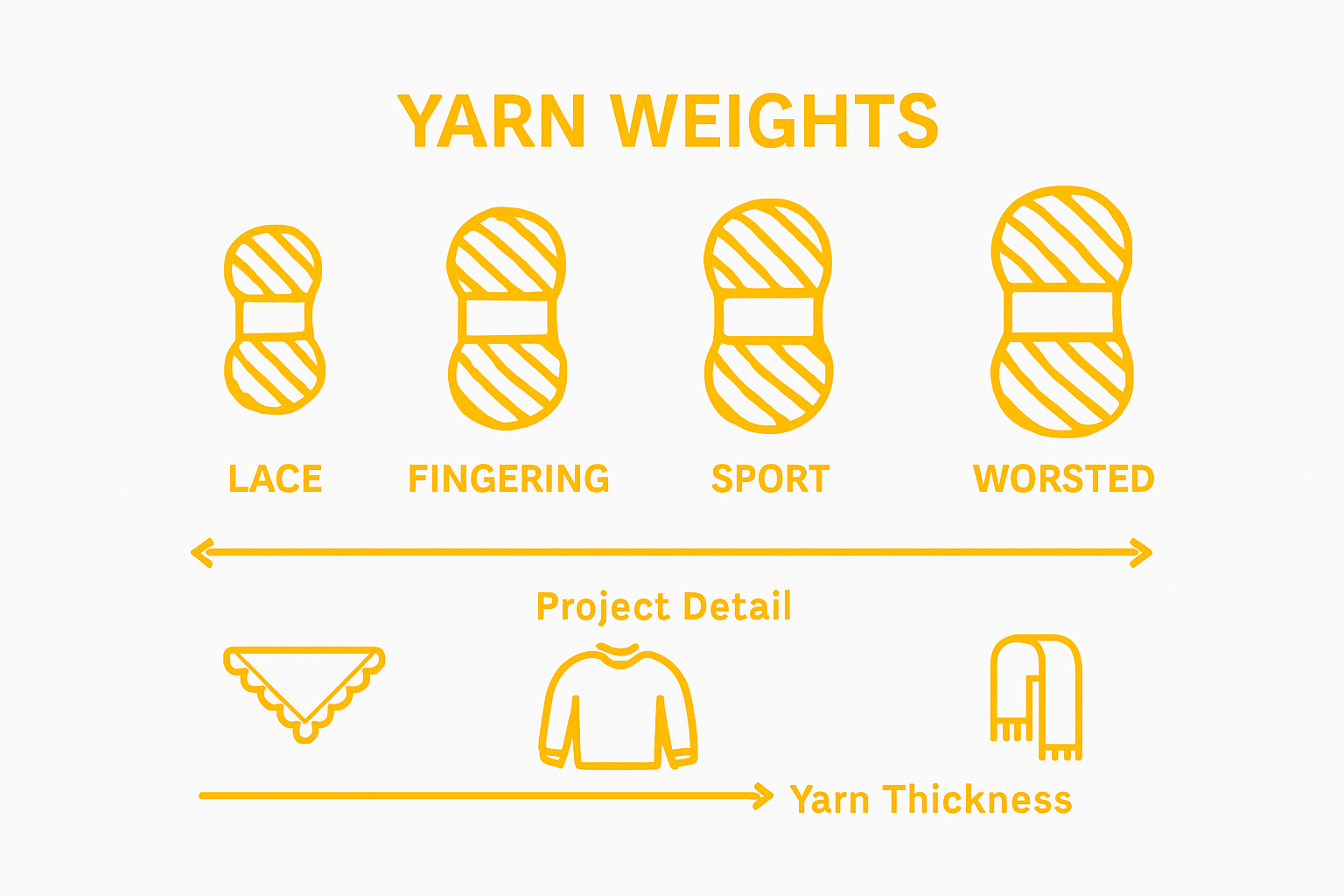
Compared to other yarn weights, lace weight stands out for its exceptional thinness and lightweight characteristics. Fingering weight yarn, the next category up, typically measures about twice the thickness of lace weight, making it significantly more substantial. Worsted weight yarns, by contrast, are dramatically thicker, creating dense fabrics with minimal transparency compared to the ethereal nature of lace weight fibers.
Key comparative characteristics include:
- Lace Weight (Category 0): Extremely thin, 30-40 wraps per inch
- Fingering Weight (Category 1): Slightly thicker, 14-30 wraps per inch
- Sport Weight (Category 2): Noticeably bulkier
- Worsted Weight (Category 4): Significantly thicker fabric construction
- Bulky Weight (Category 5): Substantially heavier and more dense
Professional crafters understand that selecting the right yarn weight dramatically impacts a project’s final appearance and functionality. While lace weight offers unparalleled delicacy for intricate designs, heavier yarn types provide greater structural integrity and warmth. The choice depends entirely on the specific project requirements, with lace weight reserved for those seeking exceptional refinement and intricate detailing in their textile creations.
Common Mistakes When Choosing Lace Weight Yarn
Crafters often encounter significant challenges when working with yarn weight selection, particularly with the delicate and unforgiving nature of lace weight yarn. Beginner mistakes can quickly transform a promising project into a frustrating experience, making careful selection and preparation crucial for successful textile creation.
One of the most common errors involves underestimating the complexity of working with such fine yarn. Yarn weight projects require exceptional patience and precision, with mistakes becoming dramatically more visible in the translucent, lightweight fabric produced by lace weight fibers. Beginners frequently struggle with tension control, leading to uneven stitches and inconsistent textures that can compromise the entire project’s aesthetic.
Critical mistakes to avoid include:
- Selecting inappropriate needle or hook sizes
- Ignoring yarn composition and fiber characteristics
- Failing to check gauge before starting a project
- Underestimating the time required for completion
- Overlooking the importance of blocking
- Choosing complex patterns without sufficient experience
Professional crafters recommend starting with simple, forgiving patterns and practicing tension control before attempting intricate lace weight designs. Understanding the yarn’s unique properties, investing in proper tools, and maintaining consistent technique can transform potential frustration into a rewarding crafting experience. Patience and attention to detail ultimately determine success when working with this most delicate of yarn weights.
Discover the Beauty of Lace Weight Yarn with Craftiss
If you are captivated by the delicate precision required for lace weight yarn projects you know that selecting the right materials is essential for success. Lace weight yarn demands patience attention to detail and the perfect tools to create those stunning lightweight and ethereal designs mentioned in the article. At Craftiss we understand these challenges and offer a carefully curated selection of premium lace weight yarns designed to help you achieve flawless results.
.png)
Explore our extensive Yarn Collection where you can find ultra-fine fibers that match the exact specifications for lace weight including ideal ply count and softness. Pair your yarn with our range of accessories and practical storage solutions like Yarn Bags to keep your delicate projects organized and safe from damage. Don’t wait to elevate your crafting experience visit Craftiss now and start creating those intricate lace masterpieces with confidence and style.
Frequently Asked Questions
What is lace weight yarn?
Lace weight yarn is the finest category of yarn, typically measuring 1-2 ply with an extremely thin diameter. It is prized for creating delicate and intricate projects, such as shawls and doilies.
How do I identify lace weight yarn?
To identify lace weight yarn, look for its extremely thin diameter, transparent or semi-transparent texture, and a measurement of 30-40 wraps per inch. It is typically knitted or crocheted with very small needle sizes ranging from US 000 to 1.
What types of projects can I create with lace weight yarn?
Lace weight yarn is ideal for lightweight, intricate projects, including delicate shawls, wedding veils, fine table runners, and intricate doilies. It allows for sophisticated designs that require precision and craftsmanship.
What are common mistakes when using lace weight yarn?
Common mistakes include selecting the wrong needle size, failing to check gauge, and underestimating the time needed to complete projects. It’s essential to practice tension control and begin with simpler patterns to avoid frustration.
