


Seamless Crochet: Effortless Joins for Flawless Projects
Frustrated by bulky seams or awkward joins in your crochet projects? Many American beginners believe seamless crochet requires special tools or expert-level skill, but in reality it is an achievable technique that delivers smooth, continuous fabric with professional results. By learning seamless crochet techniques, crafters transform basic motifs into polished gifts and wearable art. This guide clears up common myths and introduces approachable methods, helping you create flawless pieces that friends and family will cherish.
Table of Contents
- Seamless Crochet Defined and Common Myths
- Different Types of Seamless Crochet Techniques
- How Seamless Crochet Works Step by Step
- Best Projects for Seamless Crochet Patterns
- Common Mistakes and Troubleshooting Tips
Key Takeaways
| Point | Details |
|---|---|
| Seamless Crochet Advantages | Seamless crochet creates continuous, smooth fabric without visible joins, enhancing aesthetic quality. This technique is accessible to crafters at various skill levels with practice and understanding of basics. |
| Common Myths Debunked | Many believe seamless crochet requires advanced skills or expensive materials, but it’s achievable with proper techniques and materials. Beginners can effectively learn through low-stakes projects. |
| Types of Techniques | Key methods include Join-as-you-go, Continuous rounds, Slip stitch joining, and Overlay techniques, each suited for different project types and skill levels. Adopting the right technique is crucial for a polished result. |
| Troubleshooting Essentials | Common mistakes include tension inconsistencies and join errors, which can be managed by consistent practice, proper gauge measurement, and using stitch markers for accuracy. Addressing these issues early can prevent future complications. |
Seamless Crochet Defined and Common Myths
Seamless crochet represents an advanced textile technique that transforms traditional crafting by creating fabric without visible seams. Unlike conventional methods that produce noticeable joins, seamless crochet aims to produce continuous, smooth fabric where different sections blend imperceptibly.
The core philosophy of seamless crochet centers on innovative joining techniques that eliminate visual interruptions between fabric motifs. Crafters achieve this by carefully selecting stitch patterns, yarn weights, and connection methods that create nearly invisible transitions. This approach requires precision, understanding of stitch mechanics, and strategic yarn selection.
Common myths about seamless crochet often discourage beginners from attempting advanced techniques. Many crafters incorrectly believe that:
- Seamless joins are only achievable by expert-level crocheters
- Special equipment or expensive materials are required
- The technique is time-consuming and not worth the effort
- Seamless joins compromise the structural integrity of the project
In reality, seamless crochet is an accessible skill that can be learned through practice and understanding fundamental techniques. By mastering basic joining methods and experimenting with different approaches, crocheters can create projects with professional-looking finishes.
Pro tip: Start practicing seamless joins on small, low-stakes projects like dishcloths or coasters to build confidence before attempting larger, more complex designs.
Recommended supplies for your project


Different Types of Seamless Crochet Techniques
Seamless crochet offers crafters multiple innovative techniques to create continuous, polished fabric without visible interruptions. Seamless joining methods have evolved to address the common challenge of creating smooth, professional-looking projects that maintain structural integrity while appearing visually cohesive.
Some of the most popular seamless crochet techniques include:
- Join-as-you-go (JAYGO): A method where motifs are connected during the final round of crocheting, eliminating post-assembly sewing
- Continuous rounds: Working in spiral patterns to avoid traditional seam lines
- Slip stitch joining: Creating nearly invisible connections between fabric sections
- Overlay techniques: Strategically placing stitches to mask connection points
Each technique requires specific skills and approaches. Join-as-you-go, for instance, demands precise stitch placement and tension control, allowing crafters to attach multiple motifs simultaneously. Continuous rounds work particularly well for projects like hats, socks, and amigurumi, where maintaining a smooth circular shape is crucial.
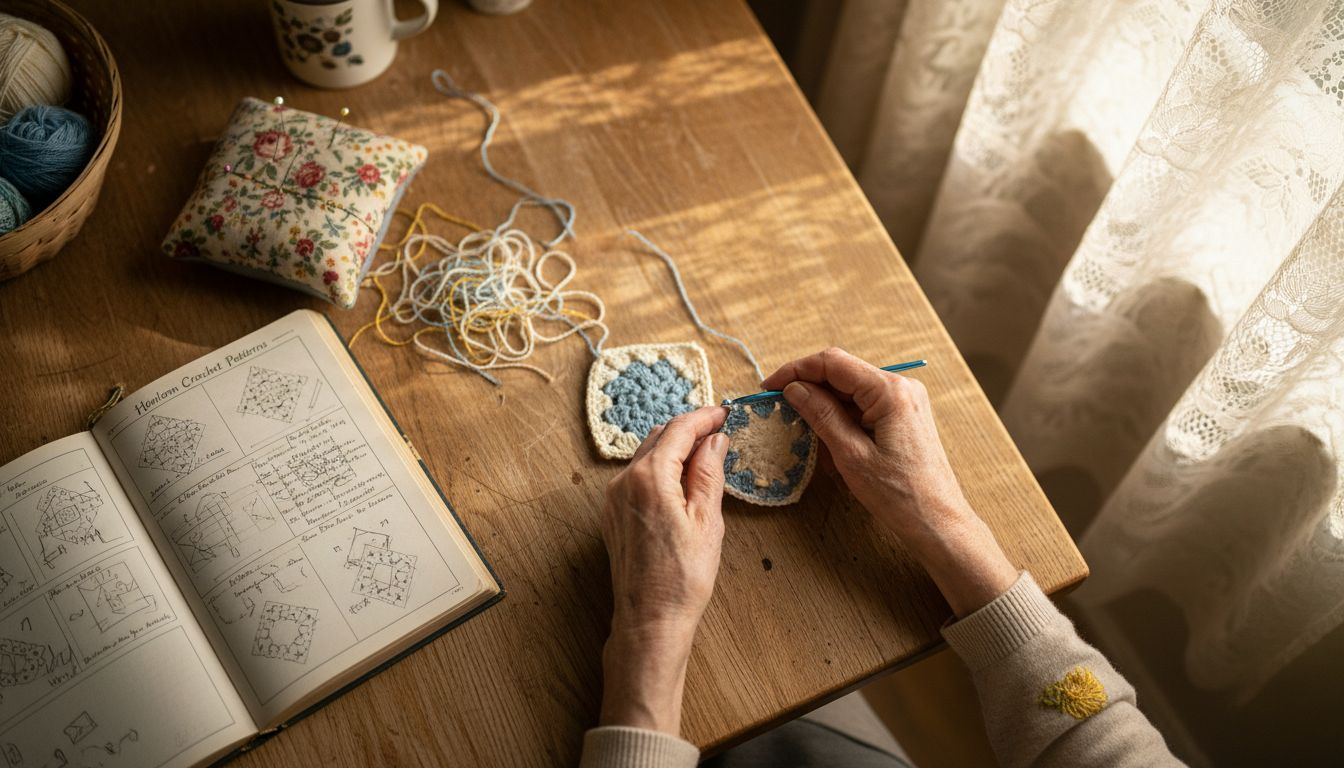
Garment construction presents unique challenges for seamless techniques. Advanced crocheters use strategic increases and decreases to create fluid fabric transitions, ensuring that joins remain undetectable. Techniques like Tunisian crochet and Broomstick lace offer additional approaches to creating smooth, interconnected fabric surfaces.
Pro tip: Practice your chosen seamless technique on small swatches before attempting larger projects to develop muscle memory and consistent tension.
Here’s a comparison of seamless crochet techniques and their best use cases:
| Technique | Ideal Project Types | Skill Required | Visual Effect |
|---|---|---|---|
| Join-as-you-go (JAYGO) | Blankets, motifs, garments | Intermediate | Invisible motif connections |
| Continuous rounds | Hats, socks, toys | Beginner to advanced | Smooth, circular fabric |
| Slip stitch joining | Shawls, scarves, pillows | Beginner | Nearly invisible seams |
| Overlay techniques | Mandalas, lace, decor items | Advanced | Decorative seamless camouflage |
How Seamless Crochet Works Step by Step
Understanding seamless crochet requires mastering specific techniques that transform traditional crafting approaches. Crochet pattern foundations begin with strategic stitch placement and continuous round construction, eliminating visible seams and creating smooth, professional-looking fabric.
The fundamental steps for achieving seamless crochet include:
- Select the Right Technique
- Magic ring method for circular projects
- Continuous round technique
- Slip stitch joining
- Strategic increase and decrease placement
- Prepare Your Materials
- Choose consistent yarn weight
- Select appropriate hook size
- Maintain uniform tension
- Use stitch markers for precision
Tension control is critical in seamless crochet. Consistent stitch tension prevents gaps and ensures smooth transitions between different sections of your project. Advanced crafters develop muscle memory through practice, learning to maintain even pressure and create nearly invisible joins.
Garment and accessory construction requires additional nuanced techniques. Strategically placed increases and decreases help shape fabric without disrupting the continuous flow. Techniques like front and back post stitches add texture while maintaining the seamless aesthetic, allowing crafters to create complex, professional-looking pieces.
Pro tip: Practice tension control by creating small swatches using your preferred seamless joining method before starting larger projects.
Best Projects for Seamless Crochet Patterns
Seamless crochet techniques transform traditional crafting by enabling intricate, professional-looking projects with smooth, invisible joins. Crochet pattern innovations have expanded the possibilities for crafters seeking flawless, sophisticated designs across multiple project types.
Ideal projects for seamless crochet techniques include:
-
Wearable Garments
- Sweaters with continuous shoulder lines
- Form-fitting hats without visible seams
- Seamless scarves and shawls
- Socks with smooth, invisible transitions
-
Decorative Items
- Intricate mandala wall hangings
- Amigurumi toys with uninterrupted surfaces
- Complex lace doilies
- Geometric throw pillows
Advanced crafters particularly appreciate seamless techniques for complex textile projects that demand visual precision. Techniques like join-as-you-go and continuous round construction allow for creating sophisticated pieces that appear almost magically constructed, with no visible interruptions in the fabric’s flow.
Decorative items like wall hangings benefit immensely from seamless approaches. Intricate designs such as the Tree of Life Mandala showcase how invisible joins maintain the delicate balance and aesthetic integrity of complex patterns, creating pieces that look professionally crafted.
Pro tip: Select lighter weight yarns when attempting your first seamless project to make tension control and stitch alignment easier.
Common Mistakes and Troubleshooting Tips
Mastering seamless crochet requires understanding and overcoming common technical challenges that can disrupt your project’s professional finish. Crochet technique troubleshooting involves recognizing and addressing issues before they compromise your entire design.
The most frequent seamless crochet mistakes include:
-
Tension Inconsistencies
- Uneven stitch sizes
- Visible gaps between motifs
- Fabric distortion
- Irregular project dimensions
-
Join Technique Errors
- Misaligned stitch connections
- Bulky or prominent seam lines
- Incorrect yarn placement
- Incomplete motif integration
Gauge measurement plays a critical role in achieving seamless results. Crafters must carefully match hook sizes to yarn weight and consistently maintain tension throughout the project. Even slight variations can create noticeable disruptions in the fabric’s smooth appearance.
Successful troubleshooting involves proactive techniques like blocking finished pieces, practicing tension control, and carefully studying pattern instructions. Advanced crafters recommend creating small test swatches to experiment with different joining methods and identify potential issues before committing to larger projects.
Pro tip: Keep a tension gauge and practice swatch nearby during your project to quickly check and adjust your stitch consistency.
The following table summarizes common seamless crochet mistakes and how to troubleshoot them:
| Issue | Root Cause | Prevention Strategy |
|---|---|---|
| Uneven stitch size | Inconsistent tension | Practice swatches, check gauge |
| Visible gaps | Incorrect join method | Use proper joining technique |
| Bulk at connection | Misaligned placement | Use stitch markers for accuracy |
| Distorted fabric | Wrong hook/yarn combo | Match hook and yarn weight |
Master Seamless Crochet With the Right Tools and Yarn
Struggling with uneven joins or tension inconsistencies can make seamless crochet feel overwhelming. This article highlights how mastering techniques like join-as-you-go and continuous rounds can transform your projects into flawless creations free of visible seams. The key challenges are consistent tension and perfect stitch placement. We understand that achieving this takes practice but having the right materials and expert guidance can make all the difference.
.png)
Discover how the perfect yarn can elevate your seamless crochet experience at [Yarn
– CRAFTISS](https://craftiss.com). If you are just starting out, our [Bundles for Crochet and Knitting Beginners
– CRAFTISS](https://craftiss.com) provide curated supplies designed to help you practice essential techniques effortlessly. Don’t let uneven joins hold you back any longer. Visit craftiss.com now and unlock your full crochet potential with premium yarns and expert-curated kits that make seamless joining easier than ever.
Frequently Asked Questions
What is seamless crochet?
Seamless crochet is a technique that creates fabric without visible seams, using innovative joining methods to achieve a smooth and continuous look.
How do I start learning seamless crochet techniques?
Begin by selecting simple projects to practice on, such as dishcloths or coasters. Familiarize yourself with basic joining methods and gradually try more complex designs.
What are the best projects for seamless crochet techniques?
Ideal projects include wearable garments like sweaters and hats, as well as decorative items like mandalas and amigurumi toys that benefit from smooth, uninterrupted fabric.
What common mistakes should I watch out for in seamless crochet?
Common mistakes include inconsistent tension, visible gaps between motifs, and misaligned join techniques. To avoid these, practice consistently and use tension gauges to check your work.
